

Overview of the Three Passes Trek
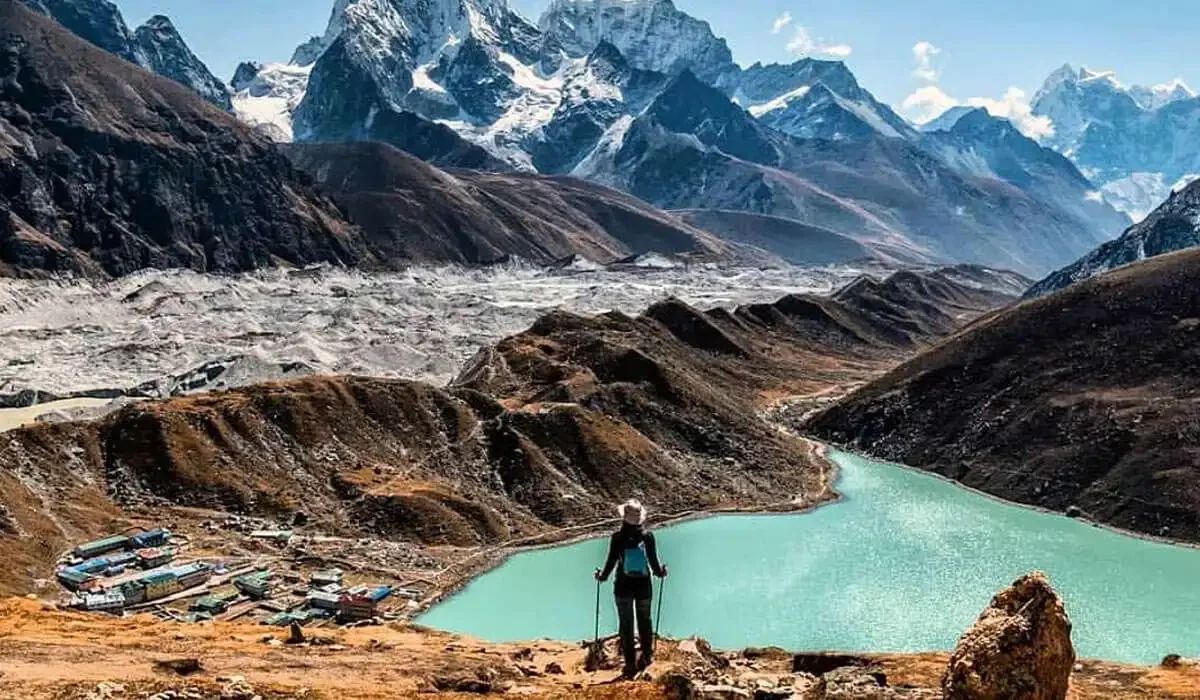
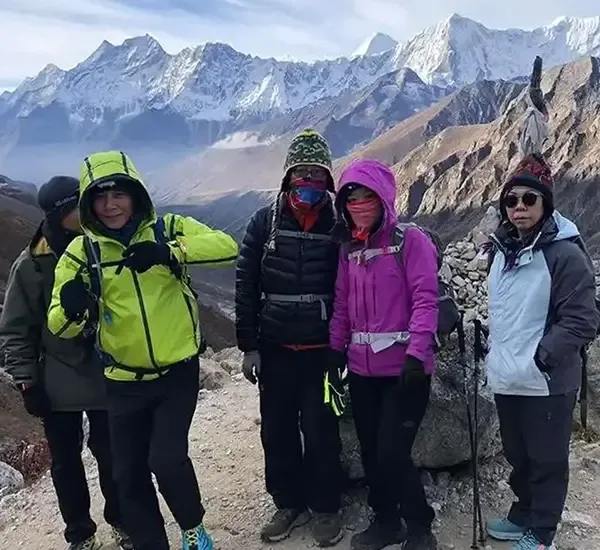
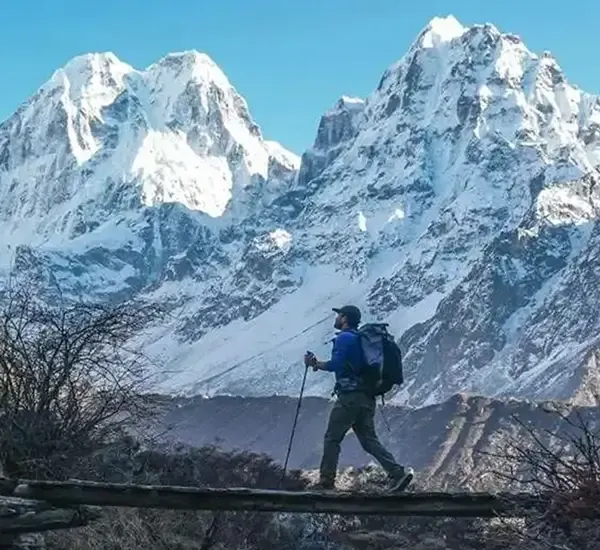
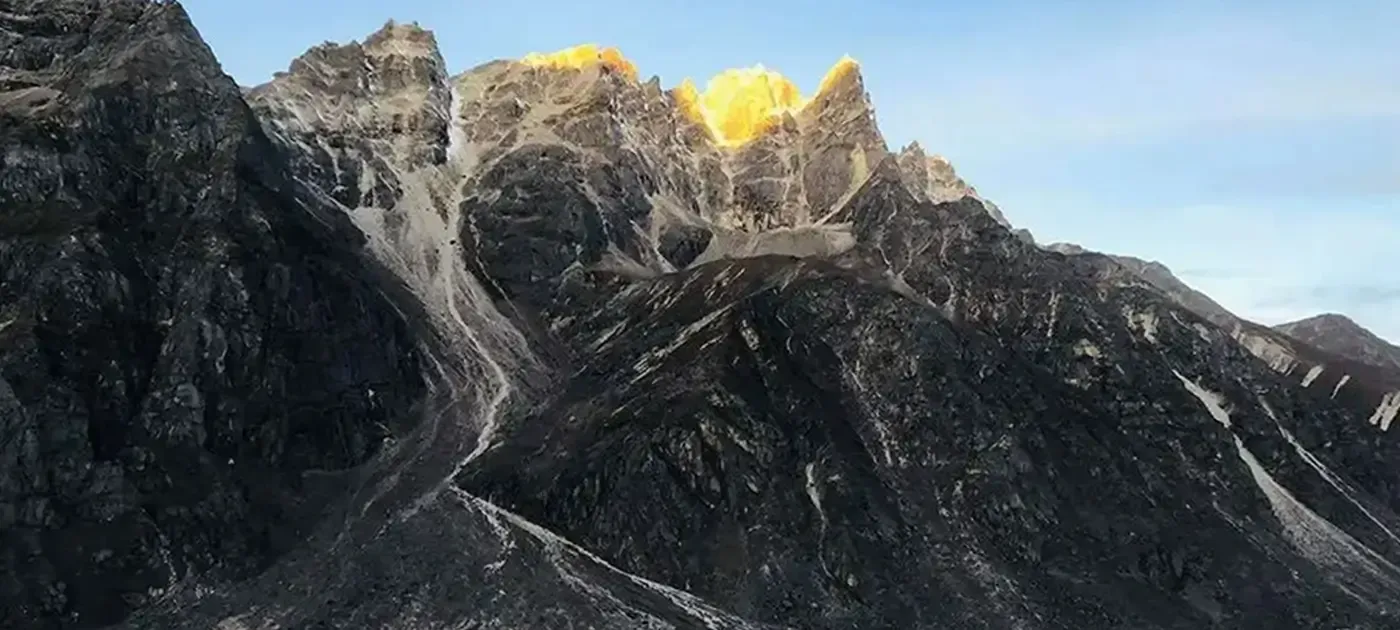
The Three Passes Trek is widely recognized as the most complete, demanding, and authoritative trekking route in the Everest region of Nepal. This trek is not limited to a single destination. Instead, it offers a full high-altitude circuit that uncovers the Khumbu region in its rawest and most authentic form. We move through dramatic alpine landscapes, cross extreme mountain passes, and experience both iconic and remote sections of the Himalayas that many trekkers never reach.
What sets the Three Passes Trek apart is its depth and scope. It combines physical endurance, technical terrain, altitude adaptation, and cultural immersion into one continuous journey. The trek includes three major Himalayan passes namely Kongma La Pass at 5,535 meters, Cho La Pass at 5,420 meters, and Renjo La Pass at 5,360 meters. Along the route, we also reach Everest Base Camp, climb Kala Patthar, explore the Gokyo Lakes, and walk through lesser-known Sherpa villages, making this trek the most exhaustive exploration of the Everest region.
Why the Three Passes Trek Is the Ultimate Everest Region Circuit
The Three Passes Trek in Nepal is designed for trekkers who want more than a standard Everest Base Camp experience. Instead of following a single trail back and forth, we complete a true circular route that connects multiple valleys, glaciers, and mountain ridges.
This trek covers both the Everest Base Camp trail and the Gokyo Valley route, crosses three high altitude passes above 5,300 meters, and provides continuous views of Mount Everest, Lhotse, Makalu, Cho Oyu, Pumori, and Ama Dablam. We also pass through culturally rich Sherpa settlements such as Namche Bazaar, Thame, Lungden, and Gokyo. Because it includes every major highlight of the region, the Three Passes Trek holds unmatched topical authority for Everest trekking.
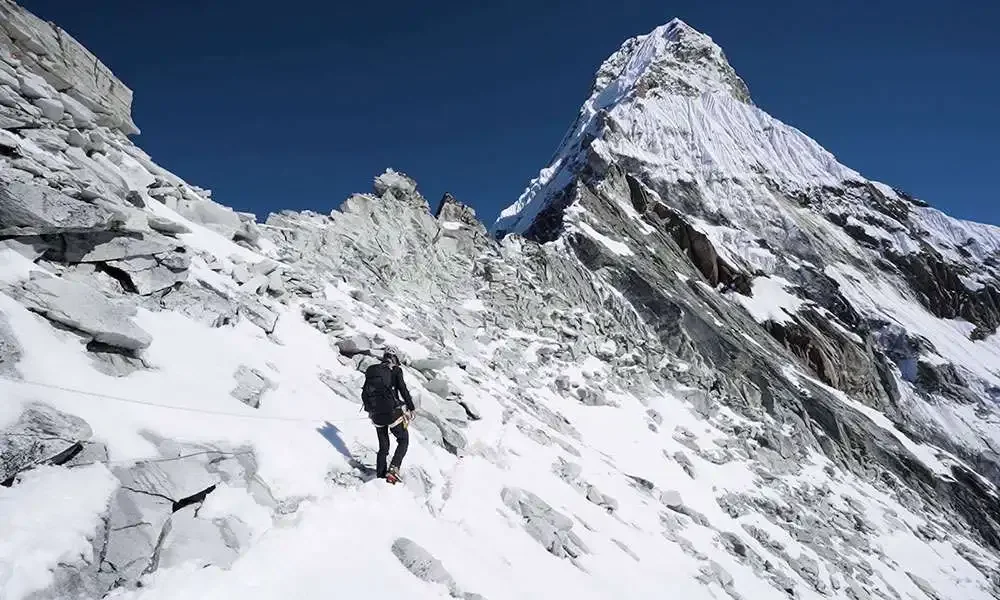
Detailed Description of the Three High Passes
Kongma La Pass at 5,535 Meters
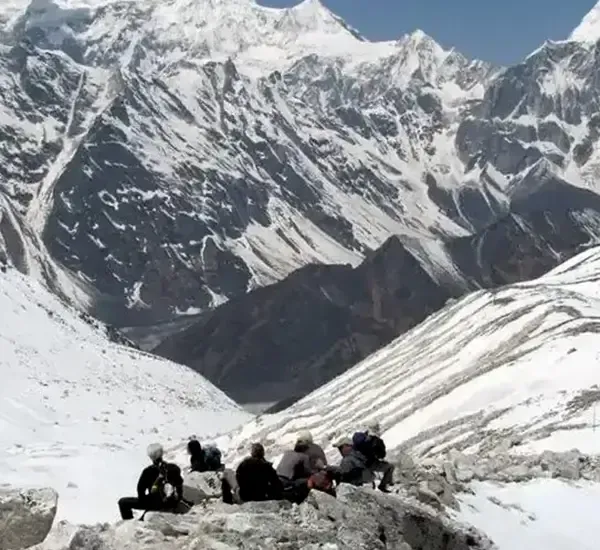
Kongma La Pass is the highest and most physically demanding pass of the trek. The route between Chhukung and Lobuche involves steep ascents, loose rocky terrain, glacial debris, and long hours at high altitude. There are no teahouses on the pass itself, making this one of the longest and most challenging days of the journey.
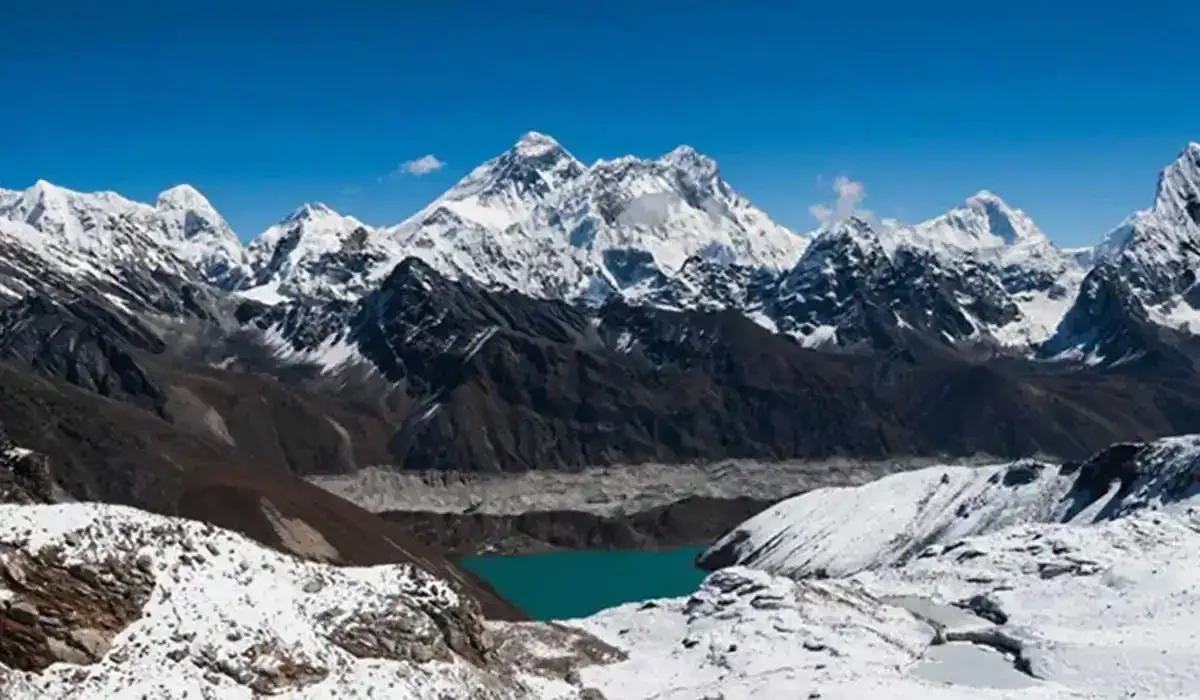
From the summit, trekkers are rewarded with expansive views of the Khumbu Glacier, Nuptse, Makalu, and surrounding Himalayan peaks. Kongma La is a true test of endurance and altitude tolerance.
Cho La Pass at 5,420 Meters
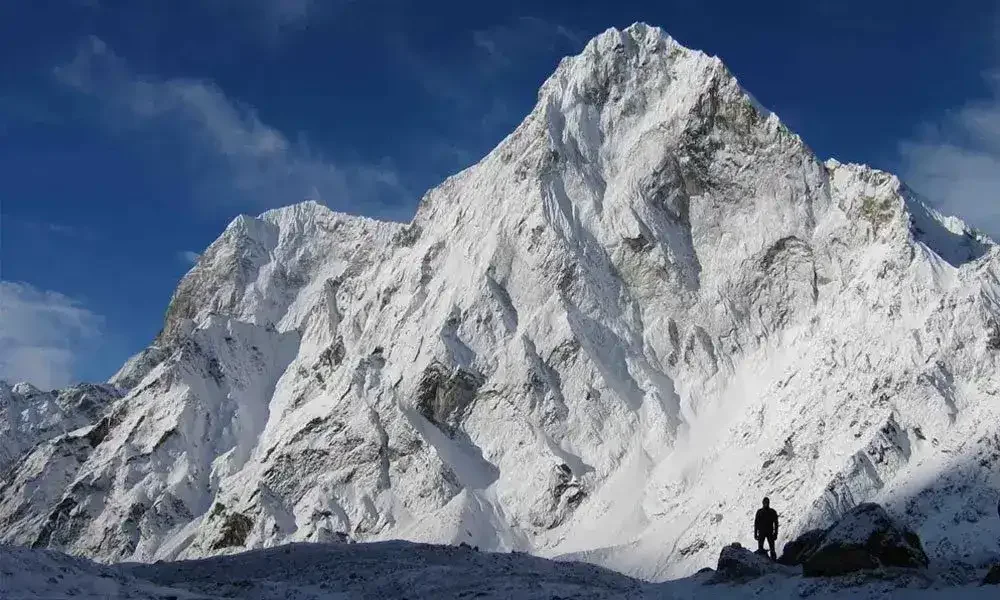
Cho La Pass connects the Everest Base Camp trail with the Gokyo Valley. This pass is technically challenging due to its glacier crossing, icy sections, and steep gradients, particularly during colder months.
Despite the difficulty, Cho La offers dramatic alpine scenery, frozen landscapes, and towering rock walls. Proper weather conditions and careful timing are essential for a safe and successful crossing.
Renjo La Pass at 5,360 Meters
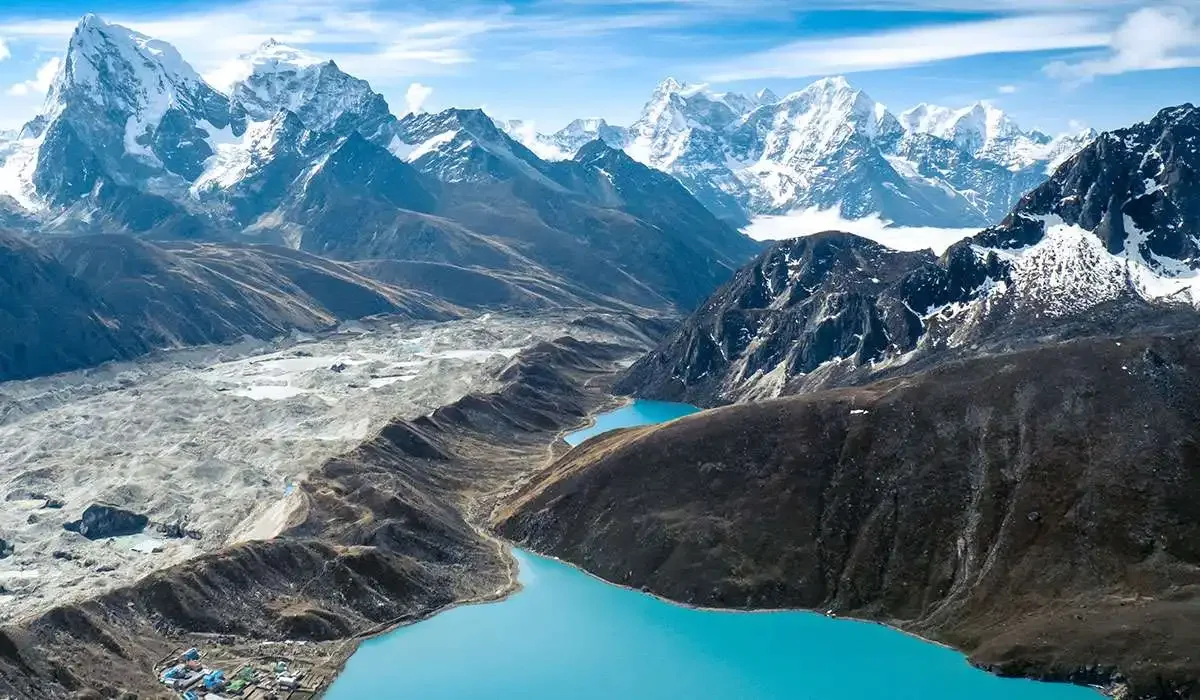
Renjo La Pass is often considered the most scenic of the three. The ascent from Lungden is gradual, allowing better altitude adaptation. From the summit, trekkers enjoy one of the most breathtaking panoramic views in the Everest region.
The view includes the entire Gokyo Lake system along with Mount Everest, Cho Oyu, and surrounding peaks. The descent toward Gokyo Valley is gentle and visually rewarding.
Three Passes Trek Route and Itinerary Overview
A standard Three Passes Trek itinerary lasts between eighteen and twenty one days. This timeframe allows for proper acclimatization and safe altitude management.
The typical route follows Lukla to Namche Bazaar, continues to Thame and Lungden, crosses Renjo La to Gokyo, crosses Cho La to Dzongla and Lobuche, then crosses Kongma La to Chhukung. The trek also includes visits to Everest Base Camp and Kala Patthar before returning to Namche Bazaar and Lukla. This route ensures gradual altitude gain while maximizing scenic and cultural exposure.
Best Time to Do the Three Passes Trek in Nepal
Spring Season from March to May
Spring is one of the most reliable seasons for the Three Passes Trek. Snow gradually melts at higher elevations, trails become more accessible, and temperatures remain manageable. Mountain views are clear, rhododendron forests bloom at lower altitudes, and longer daylight hours make high pass crossings safer.
Autumn Season from September to November
Autumn is widely considered the best season for the Three Passes Trek in Nepal. Post monsoon conditions bring clear skies, dry trails, and stable weather. Visibility is at its peak, making this season ideal for photography and high altitude crossings. Autumn also coincides with major Nepali festivals, adding cultural value to the trek.
Winter Season from December to February
Winter trekking is suitable only for highly experienced and well prepared trekkers. Temperatures drop sharply above four thousand five hundred meters, and heavy snowfall can block the passes. While winter offers solitude and dramatic snow covered scenery, risks and logistical challenges increase significantly.
Monsoon Season from June to August
The monsoon season is the least suitable time for the Three Passes Trek. Heavy rainfall causes slippery trails, poor visibility, landslides, and frequent flight delays to Lukla, making conditions unsafe.
Difficulty Level of the Three Passes Trek
The Three Passes Trek difficulty is classified as very strenuous. It is one of the hardest teahouse treks in Nepal due to prolonged exposure to extreme altitude, long daily trekking hours, and technical terrain.
Trekkers face multiple days above five thousand meters, steep ascents and descents, glacier crossings, cold temperatures, and reduced oxygen levels. Prior high altitude trekking experience is strongly recommended.
Physical Preparation for the Three Passes Trek
Proper physical preparation is essential for success. Training should begin at least eight to twelve weeks before the trek and focus on cardiovascular endurance, leg and core strength, and stamina.
Recommended preparation includes hiking, stair climbing, cycling, strength training, and long walks with a loaded backpack.
Mental Preparation and Trekking Mindset
Mental readiness is equally important. Trekkers must be prepared for basic accommodation, cold weather, long trekking days, and unpredictable mountain conditions. A strong and adaptable mindset plays a crucial role in completing the trek safely.
Altitude, Acclimatization, and Safety Considerations
Altitude sickness is a major concern on the Three Passes Trek. Proper acclimatization days in Namche Bazaar, Gokyo, and Chhukung help reduce the risk of Acute Mountain Sickness.
Key safety practices include gradual ascent, staying hydrated, eating well, avoiding alcohol, and monitoring physical symptoms closely.
Accommodation and Food During the Trek
Accommodation is provided in traditional teahouses along the route. Facilities are basic but sufficient for high altitude trekking. Rooms are typically twin shared, and meals are served in communal dining areas.
Food options include dal bhat, rice, noodles, pasta, soups, eggs, potatoes, pancakes, and porridge, providing the energy needed for long trekking days.
Required Permits for the Three Passes Trek
All trekkers must obtain a Sagarmatha National Park Entry Permit and a Khumbu Pasang Lhamu Rural Municipality Permit. These permits are mandatory and checked at multiple points on the trail.
Essential Packing List for the Three Passes Trek
Clothing and Layering System
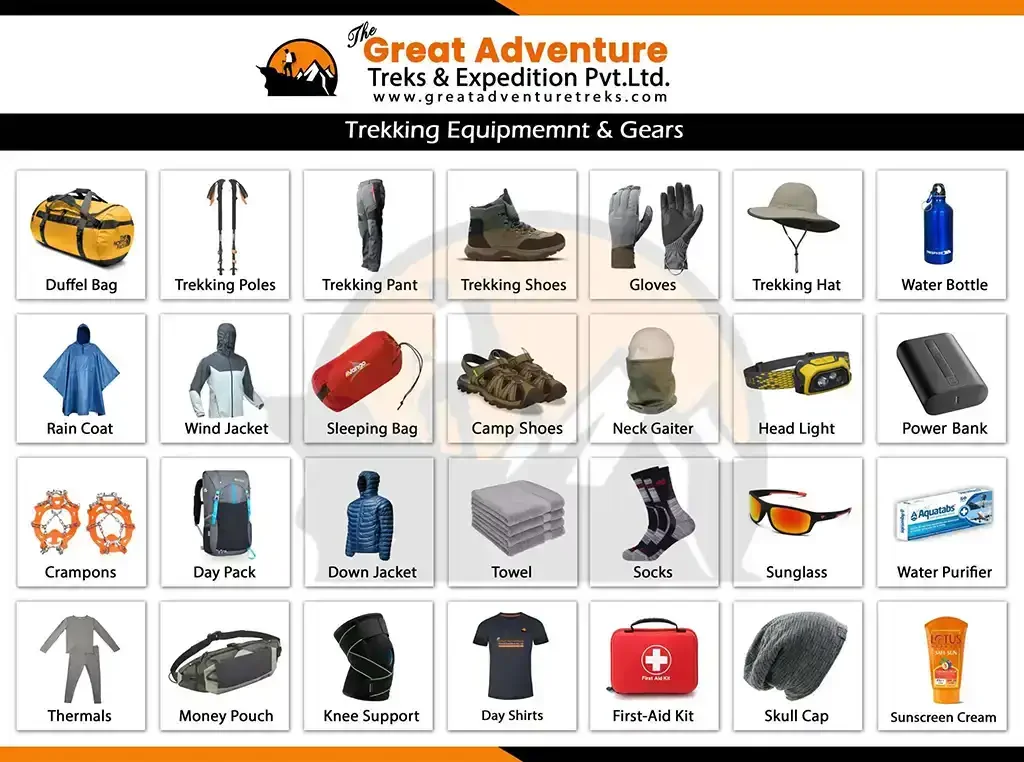
Essential clothing includes a high quality down jacket suitable for extreme cold, a waterproof and windproof outer layer, thermal base layers, insulated mid layers, trekking pants, insulated trousers, warm hats, sun hats, neck gaiters, insulated gloves, and inner gloves.
Footwear and Accessories
Footwear should include sturdy waterproof trekking boots, multiple pairs of thermal socks, and lightweight camp shoes or sandals.
Trekking and Technical Equipment
Necessary equipment includes a four season sleeping bag, trekking poles, a backpack between fifty and sixty-five liters, a daypack, crampons or microspikes depending on the season, and a headlamp with spare batteries.
Health, Personal, and Travel Essentials
Personal items include ultraviolet protection sunglasses, sunscreen, lip balm, a personal first aid kit, water purification tablets, reusable water bottles, passport copies, trekking permits, and sufficient cash for remote areas.
Conclusion
The Three Passes Trek in Nepal stands as the most comprehensive and authoritative trekking route in the Everest region. By combining three legendary high passes, iconic Everest landmarks, remote Himalayan valleys, and deep cultural exposure, this trek delivers an unmatched adventure for serious trekkers. For those seeking the ultimate Everest experience, the Three Passes Trek remains the definitive choice.