
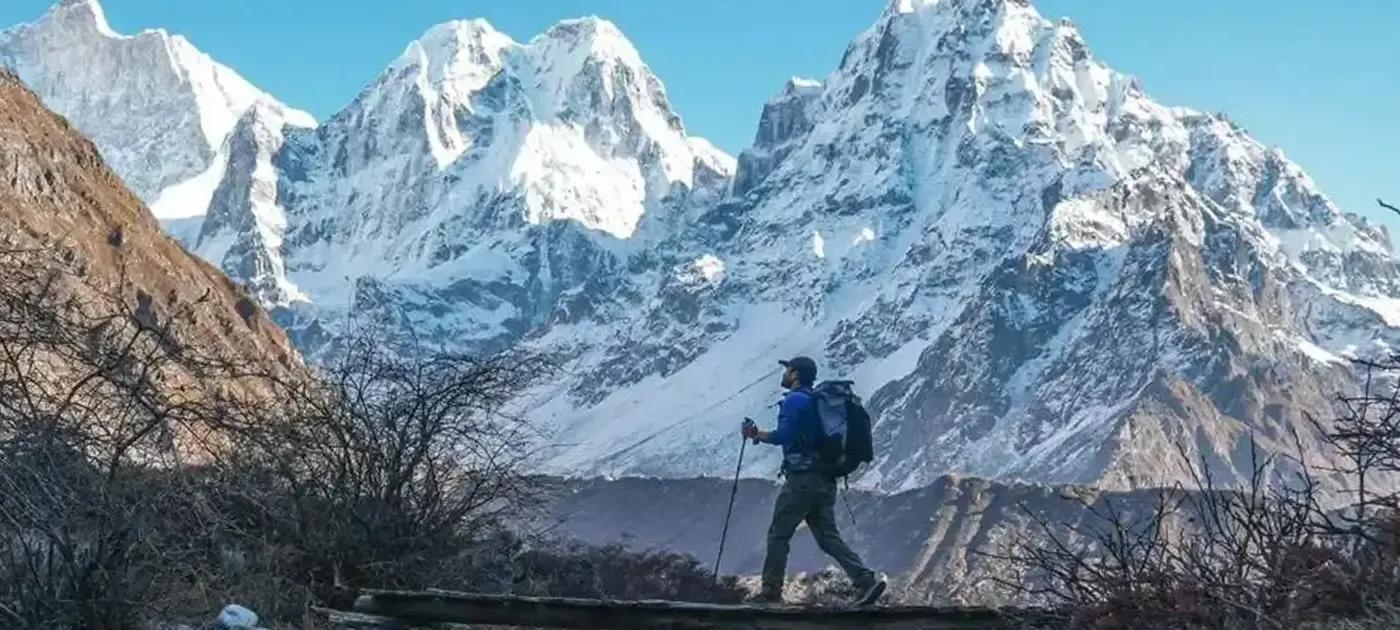

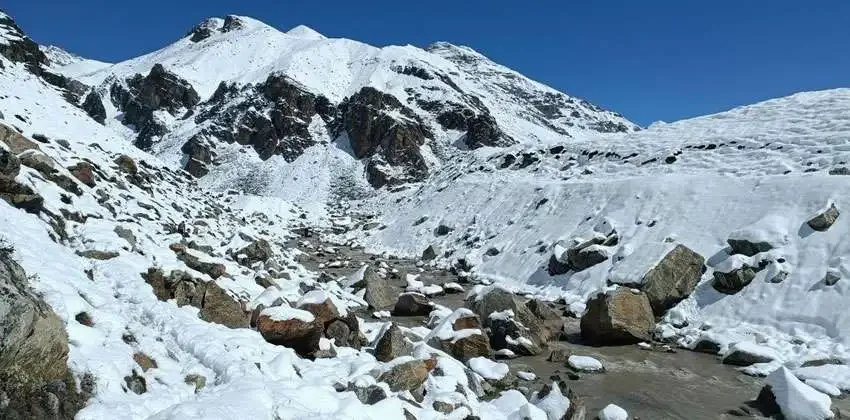
Introduction to Kanchenjunga Trek and Seasonal Importance
The Kanchenjunga Trek is among the most remote and least-commercialized trekking routes in Nepal. Passing through untouched valleys, dense forests, and high alpine landscapes, this trek demands careful planning. Due to the region’s isolation, limited facilities, and high-altitude terrain, seasonal timing plays a decisive role in determining safety, comfort, visibility, and overall success. Understanding each season in detail helps us choose the right trekking window based on experience level and trekking goals.
Why Choosing the Right Season for Kanchenjunga Trek Is Important
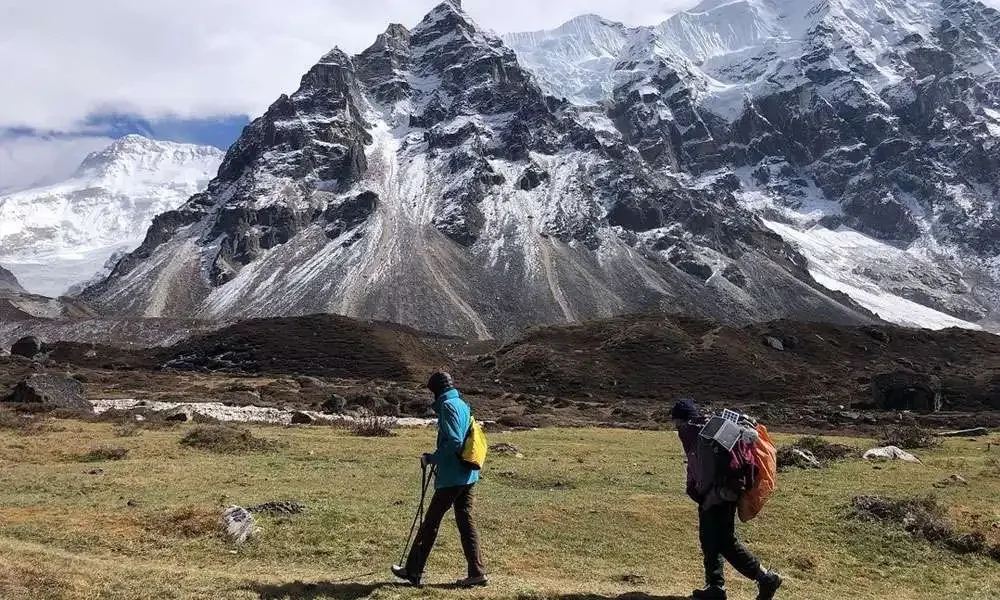
Selecting the correct season directly affects:
-
Trail safety and accessibility
-
Weather stability and temperature range
-
Mountain visibility and photography opportunities
-
Availability of accommodation and supplies
-
Physical demand and risk level
Unlike popular trekking routes, Kanchenjunga has fewer alternative paths and limited rescue options. Therefore, trekking in the right season significantly reduces risk and enhances the overall experience.
Spring Season (March to May): Best Overall Season for Kanchenjunga Trek
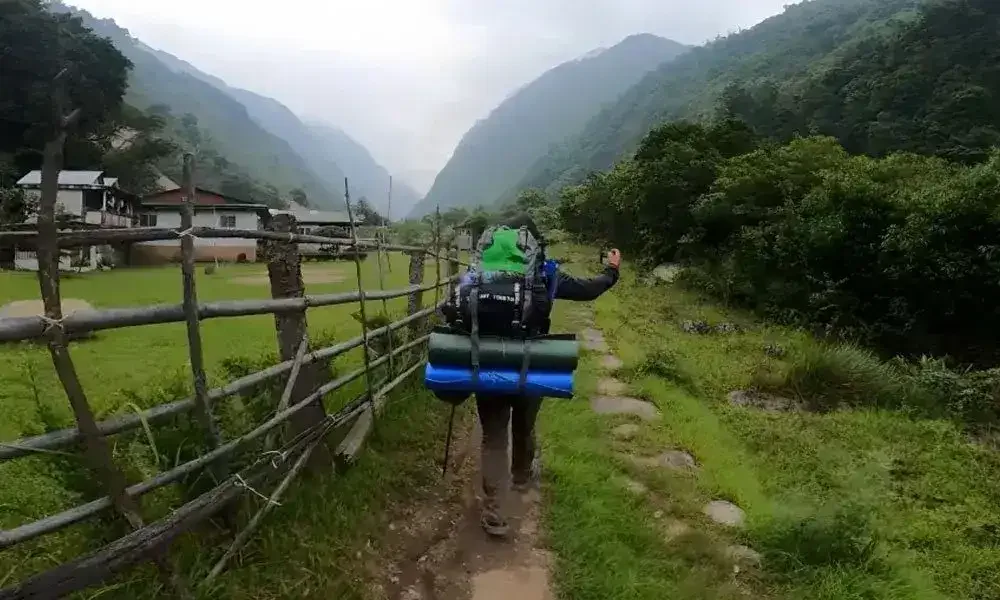
Spring Weather and Temperature Conditions
Spring begins with the gradual end of winter cold. Daytime temperatures become mild, while nights remain cool at higher elevations. The temperature range of 10°C to 18°C creates ideal walking conditions without extreme cold or heat.
Spring Trail Conditions and Accessibility
As snow melts, trails become more accessible and safer. High passes are easier to cross, and walking hours feel comfortable and well-paced.
Spring Natural Beauty and Wildlife Experience
Spring transforms the region into a colorful landscape. Rhododendron forests, magnolia trees, and alpine flowers dominate the trail. Wildlife activity increases, adding richness to the trekking experience.
Spring Visibility and Mountain Views
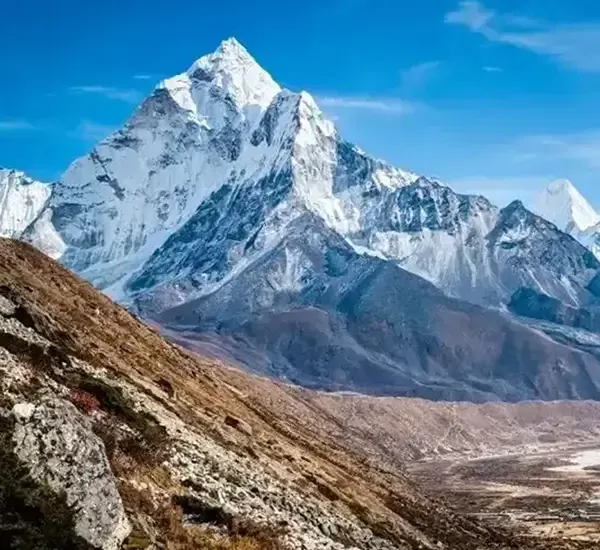
Clear morning skies offer sharp views of Mount Kanchenjunga, Jannu, and surrounding peaks. Snow remains on the mountains, enhancing their visual appeal.
Pros of Trekking Kanchenjunga in Spring
-
Ideal balance of weather and temperature
-
Rich natural scenery and blooming forests
-
Clear and dramatic mountain views
-
Suitable for both beginners and experienced trekkers
Cons of Trekking Kanchenjunga in Spring
-
Slight increase in trekkers compared to winter
-
Afternoon clouds in late May
-
Gradual rise in humidity before monsoon
Autumn Season (September to November): Best Season for Clear Skies and Stability
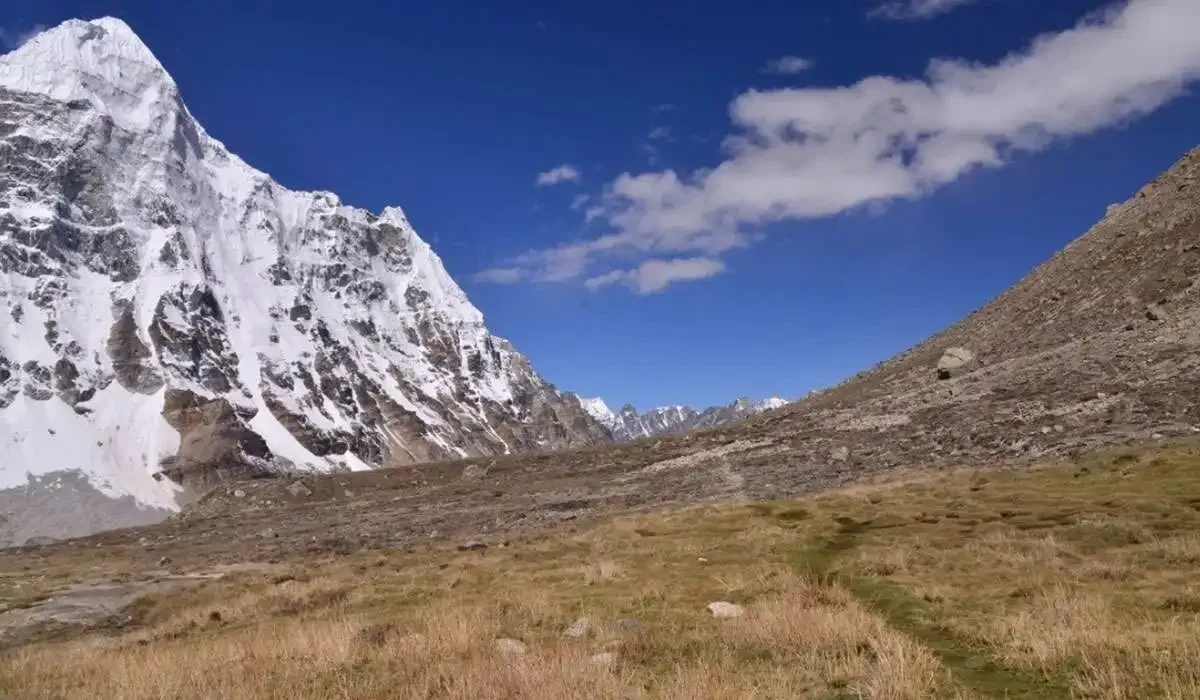
Autumn Weather and Post-Monsoon Conditions
After the monsoon rains, the atmosphere clears, leaving behind fresh air and stable weather. Rainfall is minimal, and days are mostly sunny.
Autumn Temperature and Walking Comfort
Daytime temperatures range from 8°C to 15°C, ideal for steady trekking. Nights can be cold at higher altitudes but remain manageable with proper gear.
Autumn Mountain Visibility and Photography
Autumn offers the best long-distance visibility of the entire year. Mountain peaks appear closer and sharper, making it the top season for photographers and filmmakers.
Autumn Cultural Experience During Trek
Major festivals such as Dashain and Tihar occur during autumn. Trekking during this season allows interaction with local communities during important cultural celebrations.
Pros of Trekking Kanchenjunga in Autumn
-
Crystal-clear mountain views
-
Dry, firm, and safe trails
-
Strong cultural immersion
-
Reliable weather patterns
Cons of Trekking Kanchenjunga in Autumn
-
Colder nights at high altitude
-
Peak trekking demand
-
Slightly higher costs during peak season
Winter Season (December to February): Extreme Conditions with Maximum Solitude
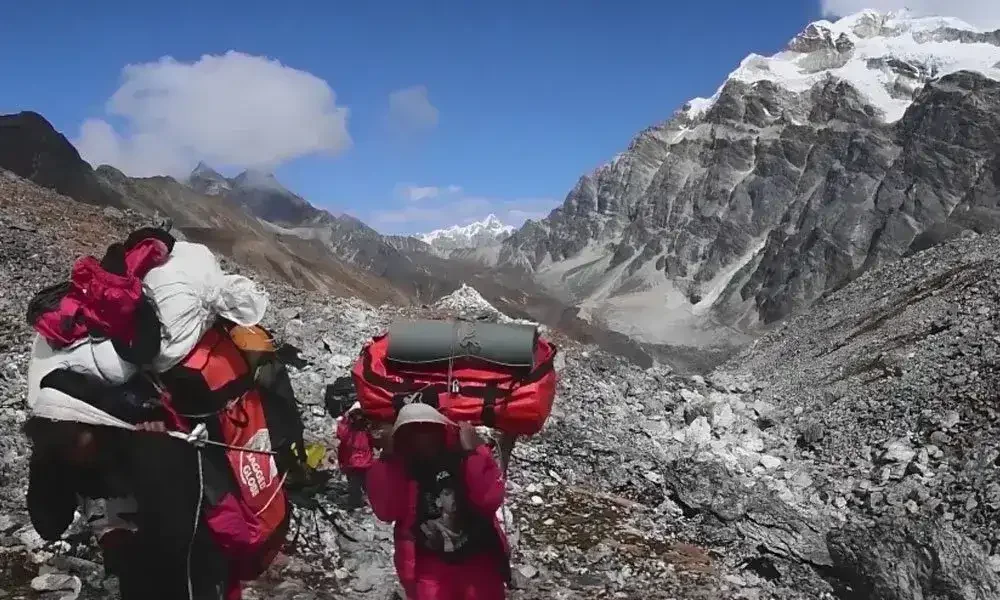
Winter Weather and Snowfall Conditions
Winter brings extreme cold, especially above 4,000 meters. Temperatures frequently drop below -10°C, and heavy snowfall can block passes and trails.
Winter Trail Conditions and Accommodation
Snow-covered trails require navigation skills and proper equipment. Many teahouses close for the season, and food options may be limited.
Winter Trekking Experience and Solitude
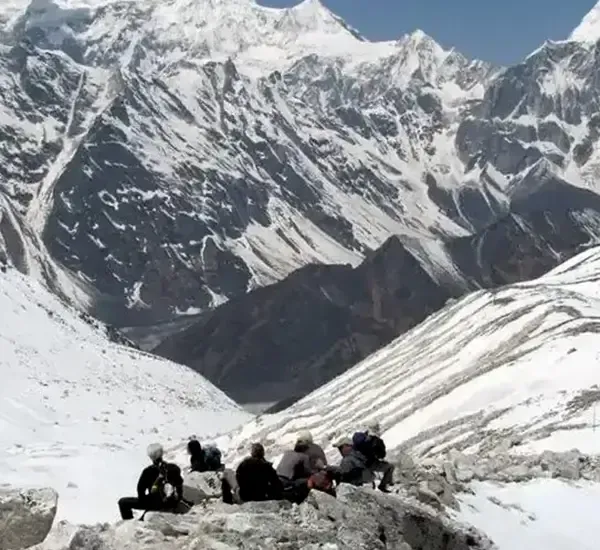
Trails are nearly empty, offering unmatched peace and solitude. Snow-covered valleys and frozen landscapes create a dramatic Himalayan atmosphere.
Pros of Trekking Kanchenjunga in Winter
-
Absolute solitude and silence
-
Unique winter landscapes
-
Clear skies on stable days
Cons of Trekking Kanchenjunga in Winter
-
Extremely cold temperatures
-
High risk of blocked passes
-
Limited accommodation and support
-
Requires advanced experience and equipment
Monsoon Season (June to August): High Risk and Limited Visibility
Monsoon Weather and Rainfall Impact
Monsoon brings heavy and continuous rainfall. Trails become muddy and slippery, while landslides and swollen rivers increase risks.
Monsoon Trail Safety and Challenges
Leeches are common in forested areas. Travel delays, blocked routes, and poor trail conditions are frequent.
Monsoon Visibility and Landscape
Mountain views are often hidden by clouds. However, forests become lush, rivers swell, and waterfalls appear at full force.
Pros of Trekking Kanchenjunga in Monsoon
-
Extremely green and vibrant landscapes
-
Minimal trekking traffic
-
Ideal for botanical and ecological interest
Cons of Trekking Kanchenjunga in Monsoon
-
Poor mountain visibility
-
High landslide and safety risks
-
Wet and uncomfortable trekking conditions
-
Unpredictable logistics
Seasonal Comparison for Kanchenjunga Trek
-
Best Overall Season: Spring (March to May)
-
Best Visibility and Photography: Autumn (September to November)
-
Best for Solitude and Challenge: Winter (December to February)
-
Least Recommended Season: Monsoon (June to August)
Best Season for Kanchenjunga Trek Based on Trekking Goals
For First-Time High-Altitude Trekkers
Spring and autumn provide stable weather and safer conditions.
For Photography and Filmmaking
Autumn and early spring offer the clearest skies and best lighting.
For Adventure and Isolation
Winter delivers extreme conditions and unmatched solitude.
For Nature and Biodiversity Enthusiasts
Spring and monsoon showcase forests, flora, and wildlife at their peak.
Final Conclusion: Choosing the Best Time for Kanchenjunga Trek
The best seasons for Kanchenjunga Base Camp Trek are spring and autumn, offering ideal weather, safe trails, and breathtaking Himalayan views. Winter and monsoon trekking demand higher experience, preparation, and risk tolerance. By understanding each season’s advantages and limitations, we can choose the most suitable time and ensure a safe, memorable, and truly rewarding Kanchenjunga trekking experience.