

Best Seasons for Manaslu Circuit Trek
The Manaslu Circuit Trek is not just a journey around a mountain, it is an immersive walk through some of Nepal’s most untouched Himalayan landscapes. From deep river valleys and ancient villages to towering snow-covered peaks and high mountain passes, every day on this trail feels purposeful. However, the experience you take home depends greatly on when you choose to go. Selecting the best season for the Manaslu Circuit Trek is one of the most important decisions a trekker will make.
Because this trek crosses remote terrain and the high Larkya La Pass (5,160 meters), timing directly affects safety, comfort, visibility, and overall enjoyment. Below is a clear, honest, and human-centered breakdown of each season, so you can choose the time that truly fits your expectations and trekking style.
Why Season Matters on the Manaslu Circuit
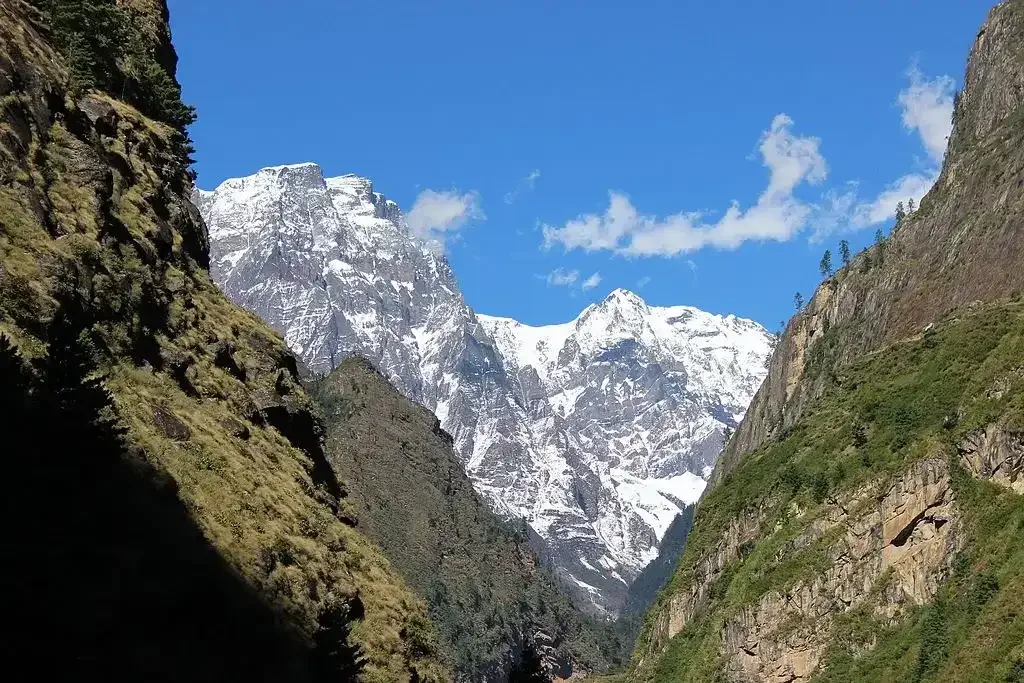
Unlike busier routes, the Manaslu Circuit has limited infrastructure and fewer escape options. Weather changes are felt more strongly here, especially at higher elevations. A well-chosen season means dry trails, open teahouses, reliable views, and safer pass crossings. A poorly timed trek can mean blocked routes, missed views, and unnecessary risk.
This is why understanding the seasons is not about theory, it is about real trekking experience.
Autumn (September to November): The Best Season for Manaslu Circuit Trek
Autumn, from September to November, is widely regarded as the best and most reliable season for trekking the Manaslu Circuit and for very good reasons. This period offers the perfect balance of stable weather, clear mountain views, safe trail conditions, and rich cultural experiences, making it the top choice for both first-time and experienced trekkers.
What Autumn Feels Like on the Trail
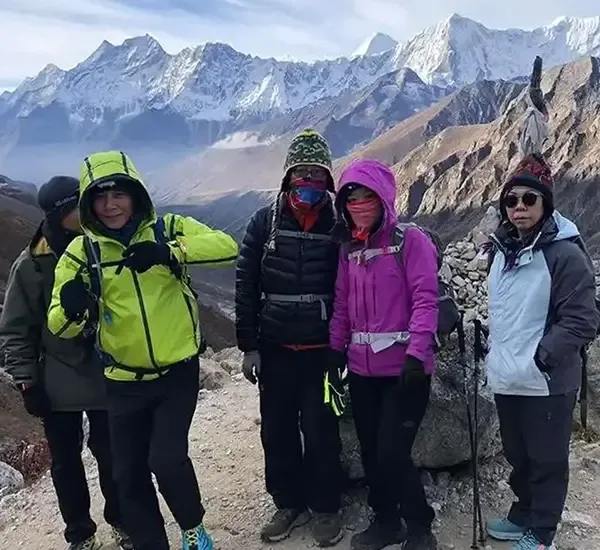
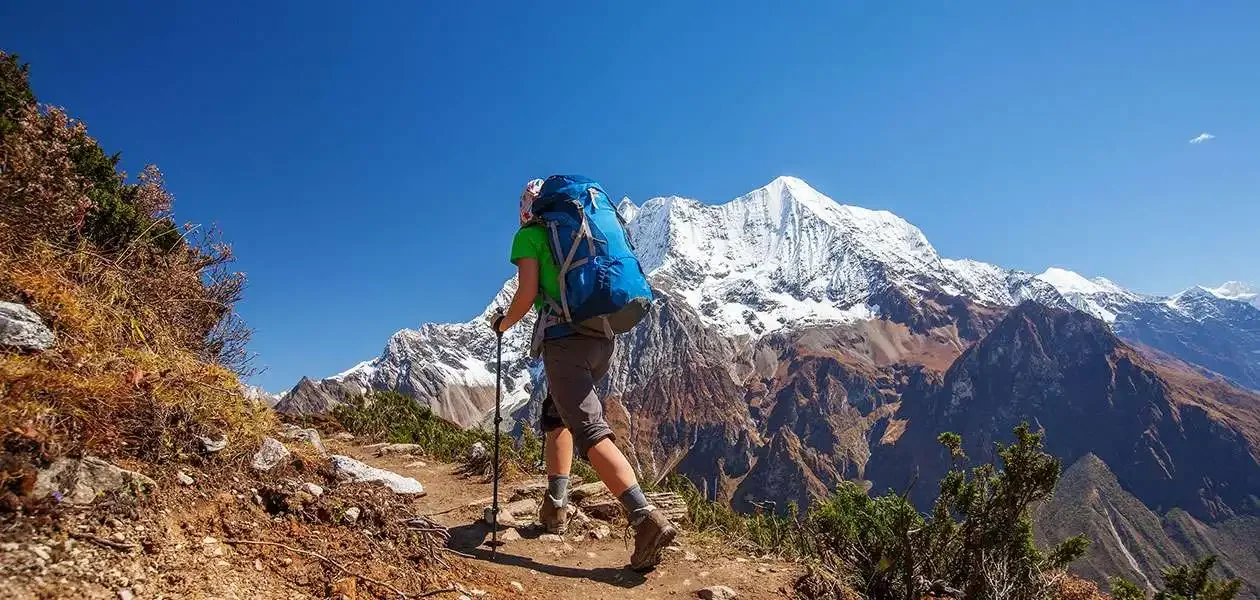
As the monsoon rains fade away, the Manaslu region transforms into an ideal trekking environment. The air becomes fresh, clean, and crisp, creating excellent walking conditions throughout the day. Daytime temperatures are pleasant and comfortable, allowing long hours of trekking without extreme heat, while nights are cool and refreshing, ideal for deep and restful sleep in the mountains.
Trails that were muddy during monsoon dry out quickly, becoming firm and safe. Rivers settle into steady flows, and bridges are more secure, reducing risks during crossings. Most importantly, the weather during autumn is highly predictable, meaning fewer delays and a smoother overall trekking experience.
Mountain Views at Their Best
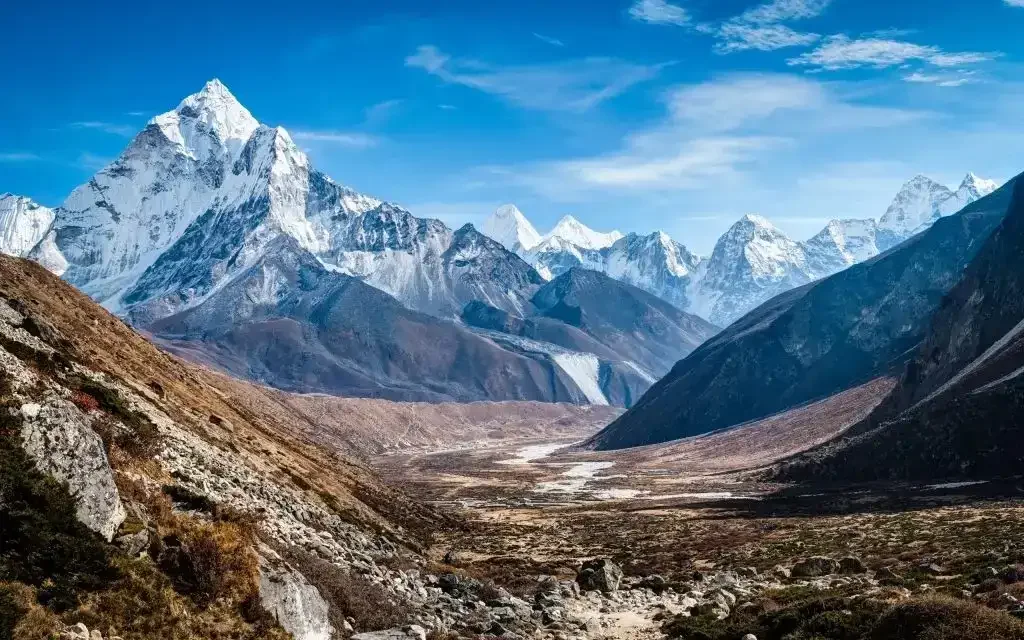
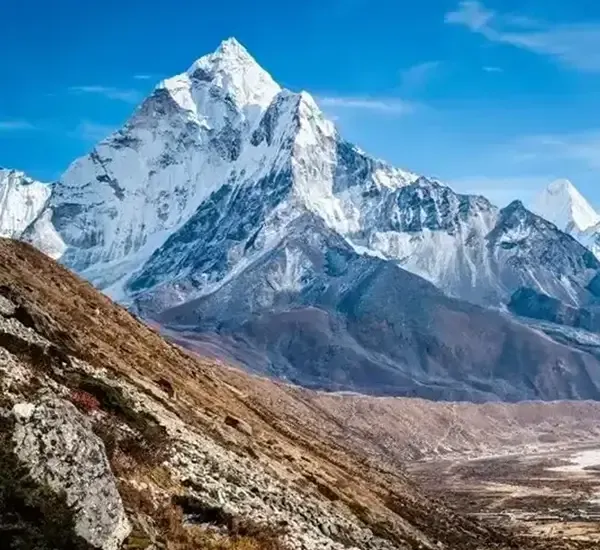
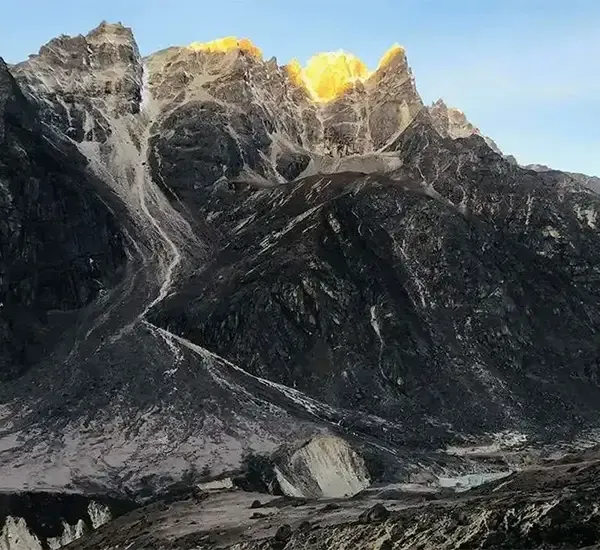
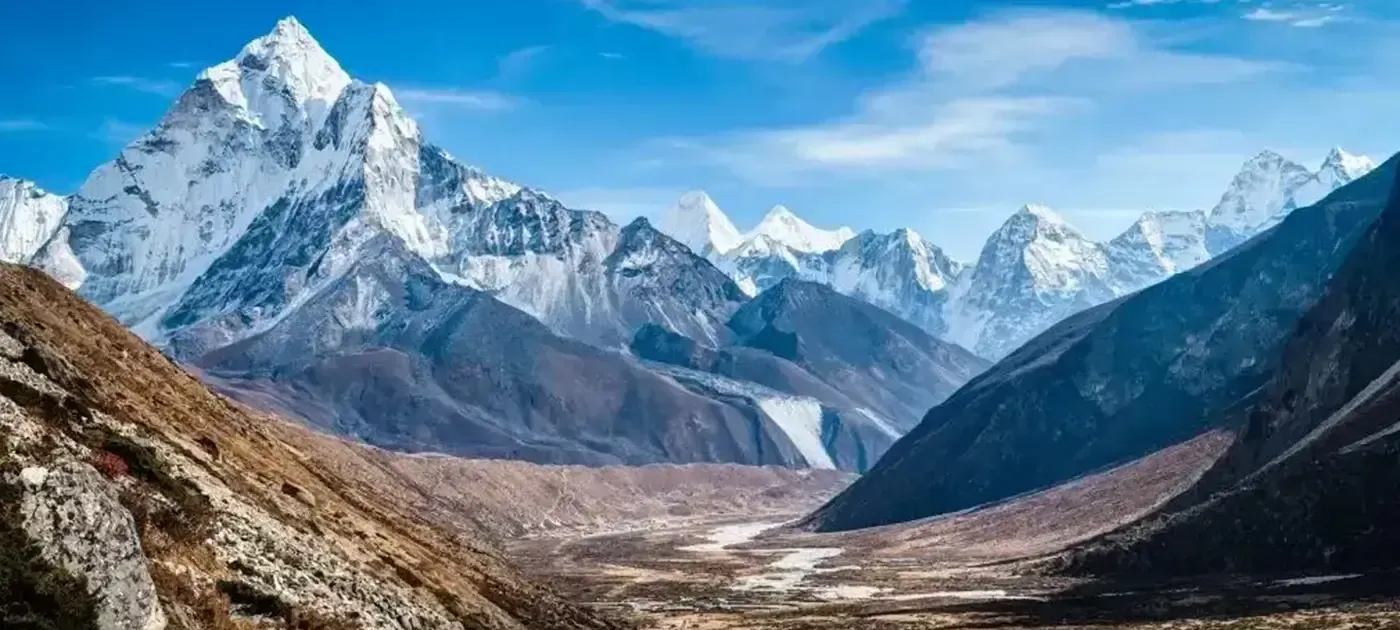
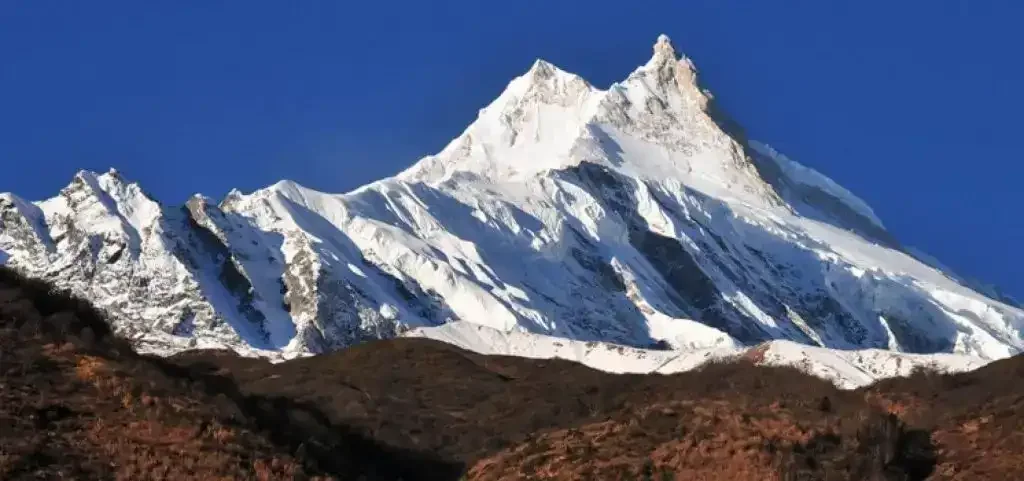
Autumn is famous for delivering the clearest and most dramatic mountain views of the entire year. With minimal cloud cover and low atmospheric moisture, the Himalayas appear sharp, close, and strikingly detailed. Snow-covered giants such as Mount Manaslu, Himalchuli, Ngadi Chuli, and Annapurna II dominate the skyline from sunrise to sunset.
Safer Conditions for Larkya La Pass
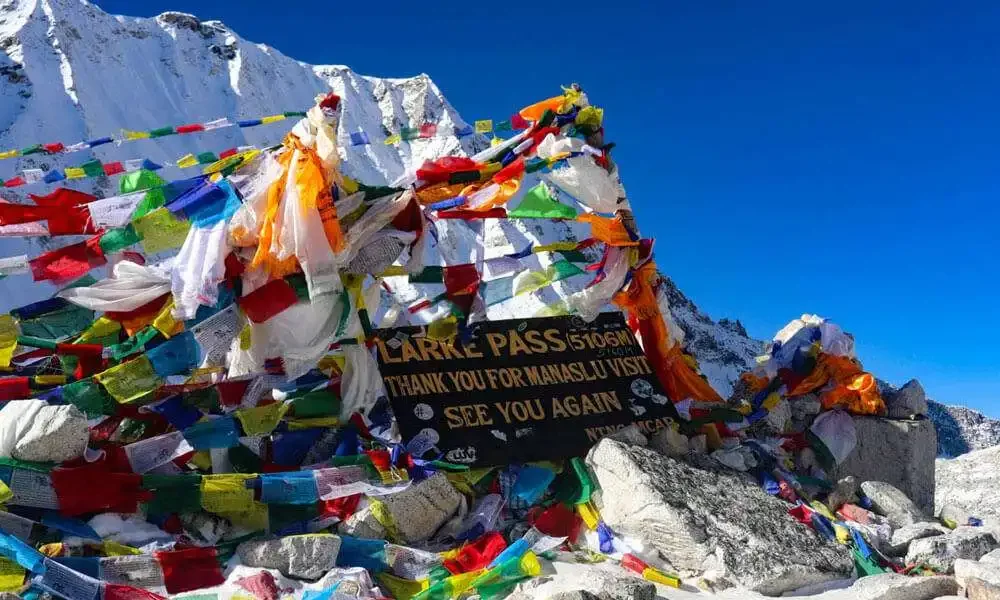
Crossing Larkya La Pass (5,160 m) is one of the most challenging and memorable parts of the Manaslu Circuit Trek. This high-altitude pass demands stable weather and safe footing. In autumn, snow accumulation is minimal, and the trail is usually well-defined, making the crossing safer and less physically demanding than in winter or early spring.
Cultural Life Along the Route
Autumn also brings a vibrant cultural dimension to the trek. This season coincides with Nepal’s biggest festivals, Dashain and Tihar, when villages along the Manaslu trail come alive with celebrations. Homes are decorated, families gather, and locals are in high spirits.
Trekkers may witness traditional rituals, receive warm hospitality, and experience local culture at its most joyful. These moments create meaningful connections with the communities of the region, adding emotional depth to the journey that goes far beyond scenic beauty.
Autumn is ideal for first-time trekkers, photographers, and anyone seeking the most balanced and rewarding Manaslu experience.
Spring (March to May): A Beautiful and Lively Alternative
Spring, from March to May, is considered the second-best season for the Manaslu Circuit Trek, offering a refreshing and colorful Himalayan experience. While it may not match autumn’s crystal-clear consistency, spring brings warmth, blooming landscapes, and a lively atmosphere that many trekkers find equally rewarding.
Comfortable Walking Conditions
As winter fades, temperatures gradually rise. Days feel pleasant, and snow begins to melt at higher elevations. Trekking hours are comfortable, and the overall pace of the journey feels relaxed.
As winter gradually fades, temperatures begin to rise across the Manaslu region. Days become pleasant and mild, making long trekking hours comfortable without extreme cold or heat. Snow at higher elevations slowly starts to melt, improving trail accessibility and reducing the harshness of winter conditions.
The overall pace of the trek in spring feels relaxed and enjoyable. With longer daylight hours compared to winter, trekkers have more flexibility in daily schedules, allowing time to rest, enjoy scenery, and acclimatize properly.
Nature Comes Alive
Spring brings color back to the mountains. Forests bloom with rhododendrons and wildflowers, especially in the lower and mid sections of the trail. The contrast between bright flowers and white Himalayan peaks creates a striking landscape that feels alive and welcoming.
Spring is when the Manaslu landscape truly comes alive. Forests in the lower and mid-hill sections burst into color as rhododendrons, magnolias, and wildflowers bloom in vibrant reds, pinks, and whites. These colorful trails create a stunning contrast against the towering, snow-covered Himalayan peaks in the distance.
Wildlife activity also increases during spring, making the trek more dynamic and engaging. The combination of fresh greenery, flowing streams, and flowering forests gives the entire journey a welcoming and energetic feel.
Fewer Crowds, More Calm
Compared to autumn, spring sees fewer trekkers. This makes the trail quieter and teahouses less busy, allowing for a more peaceful experience without sacrificing good weather.
Compared to the busy autumn season, spring attracts fewer trekkers, especially in early March and late May. Trails feel quieter, teahouses are less crowded, and services are more personalized. This creates a peaceful trekking experience while still enjoying favorable weather and safe conditions.
Pass Crossing Considerations
Larkya La Pass (5,160 m) is typically accessible by late March through April. While some snow may still remain on the trail, conditions are generally manageable with proper guidance, good equipment, and favorable weather windows. Trekking with experienced guides becomes especially important during spring to ensure safety while crossing snowy sections.
Spring is ideal for trekkers who value natural beauty, moderate crowds, and a slightly quieter journey.
Winter (December to February): Quiet but Demanding
Winter, from December to February, is the most challenging season for the Manaslu Circuit Trek. While trekking during this time is possible, it is not suitable for everyone and requires experience, flexibility, and strong preparation.
Cold and Snow Challenges
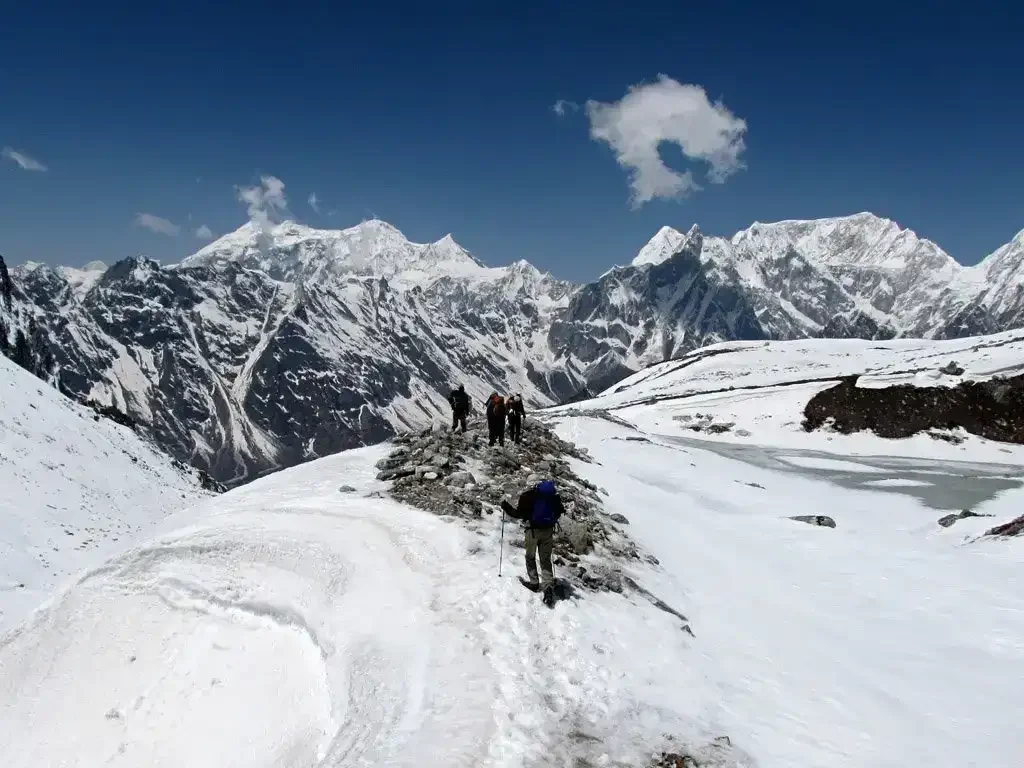
Winter brings harsh cold temperatures, especially during the night and at higher elevations. Daytime temperatures may remain manageable under clear skies, but once the sun sets, the cold becomes intense. Heavy snowfall can occur without much warning, often blocking trails and making the crossing of Larkya La Pass dangerous or completely inaccessible.
Limited Facilities
Due to low visitor numbers, many teahouses close during winter, particularly in higher villages. This significantly reduces accommodation options and sometimes requires reliance on limited open lodges or emergency shelter arrangements. Food choices may also be limited, making careful planning essential.
Why Some Trekkers Choose Winter
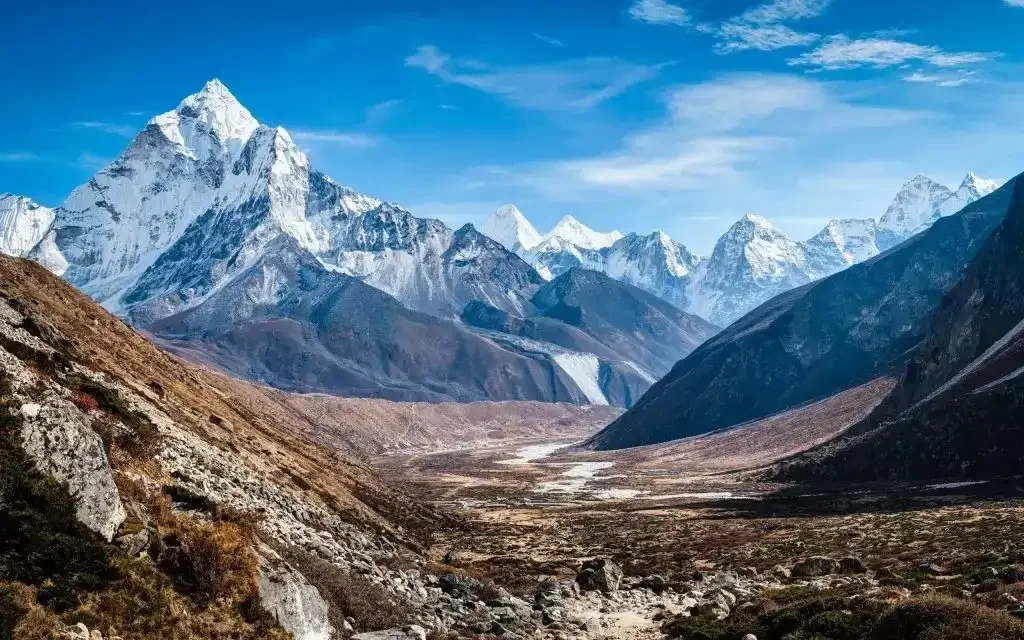
Despite the challenges, winter holds a unique appeal for experienced and adventurous trekkers. The trail is almost completely empty, offering total solitude and a deeply personal journey through the Himalayas. Snow-covered landscapes, deep blue skies, and crystal-clear air create dramatic and unforgettable mountain scenery.
Winter is suitable only for experienced trekkers with flexibility and proper equipment.
Monsoon (June to August): Least Recommended Season
The monsoon season, from June to August, is widely considered the least suitable time for undertaking the Manaslu Circuit Trek. While Nepal’s landscapes become vibrant and green during this period, the overall trekking experience is heavily affected by weather-related challenges, safety risks, and reduced comfort. For most trekkers, the disadvantages of trekking in monsoon clearly outweigh the limited benefits.
Trail and Weather Difficulties
During the monsoon months, heavy and continuous rainfall significantly impacts trail conditions along the Manaslu Circuit. Dirt paths quickly turn muddy, slippery, and unstable, making daily walks physically demanding and risky. In the lower and mid-hill sections, landslides and trail washouts are common, sometimes blocking the route completely and forcing long detours or unexpected delays.
Comfort and Health Issues
Trekking comfort during the monsoon season is considerably reduced. High humidity and frequent downpours make it difficult to stay dry, and wet clothes and gear can lead to discomfort throughout the journey. Leeches are common in forested areas, particularly at lower elevations, which many trekkers find unpleasant and distracting.
Why Monsoon Is Avoided
Monsoon trekking on the Manaslu Circuit is strongly discouraged, especially for first-time trekkers or those seeking a smooth and rewarding Himalayan experience. To fully enjoy the trek’s dramatic landscapes, clear mountain views, and safer trail conditions, the spring (March to May) and autumn (September to November) seasons remain the best and most recommended times to trek the Manaslu Circuit.
Monsoon trekking on the Manaslu Circuit is strongly discouraged.
Best Time to Trek Manaslu Circuit – Month by Month Snapshot
- September: Fresh landscapes, improving weather, fewer crowds
- October: Best overall conditions, peak season
- November: Clear skies, colder nights, peaceful trails
- March: Start of spring, mild temperatures
- April: Best spring month, blooming forests
- May: Warmer Days, increasing clouds
Choosing the Right Season for Your Trek
- Want the best weather and views? Choose autumn.
- Prefer flowers and quieter trails? Choose spring.
- Seeking solitude and challenge? Winter may suit you.
- Want to avoid risk and discomfort? Skip monsoon season.
Your trekking goals, experience level, and comfort preferences should guide your decision.
Final Thoughts
The best seasons for Manaslu Circuit Trek are autumn and spring, with autumn offering the most reliable conditions and spring delivering stunning natural beauty with fewer crowds. Winter and monsoon trekking come with added challenges and should be chosen only with full awareness of the risks involved.
Choosing the right season transforms the Manaslu Circuit Trek into a deeply rewarding journey, one that feels safe, immersive, and unforgettable from start to finish.