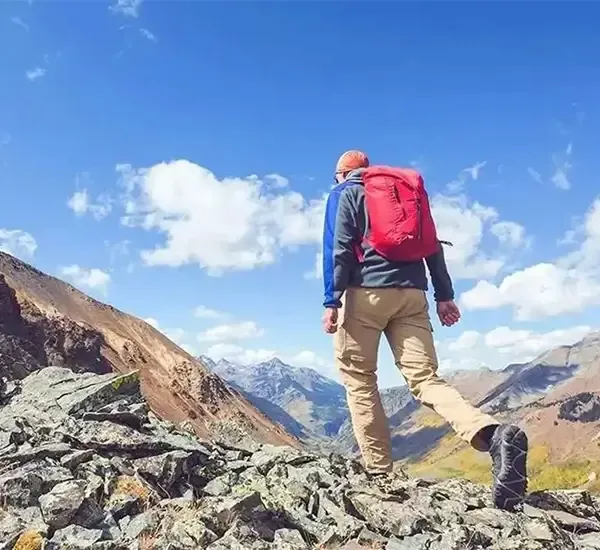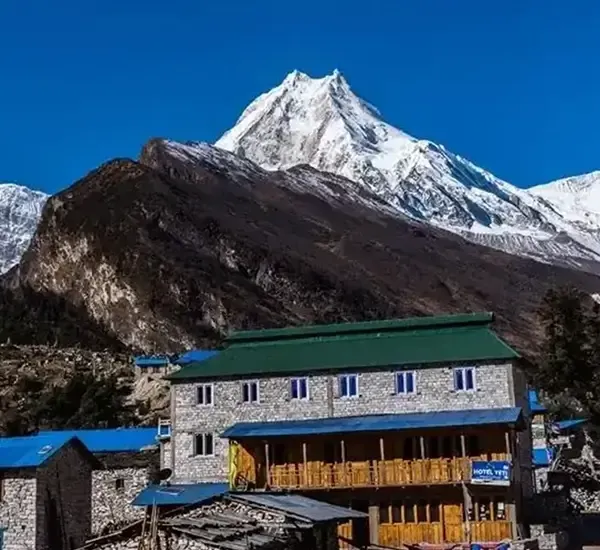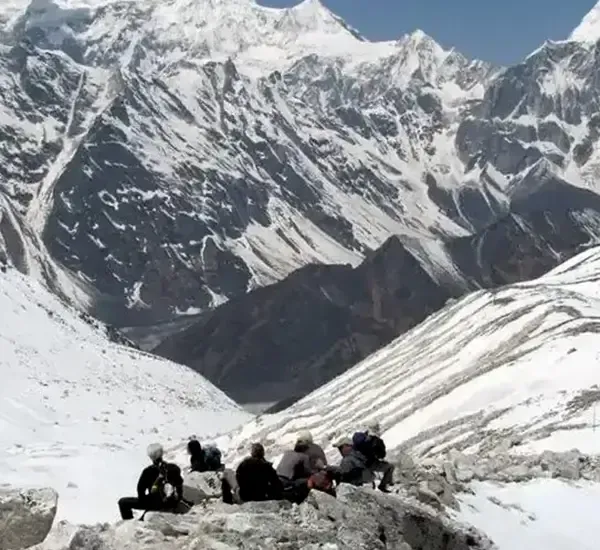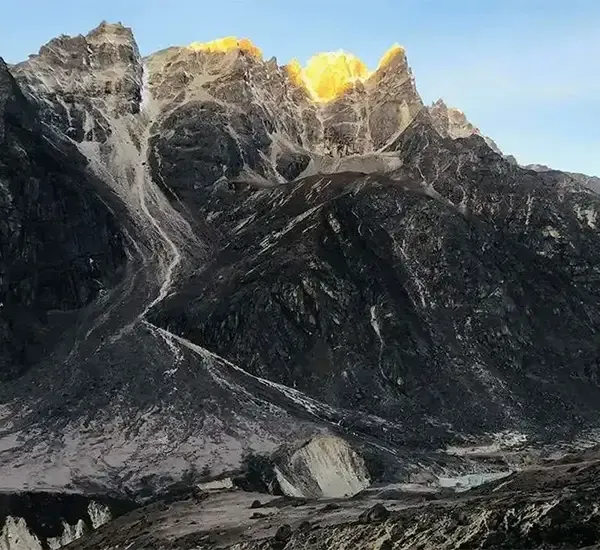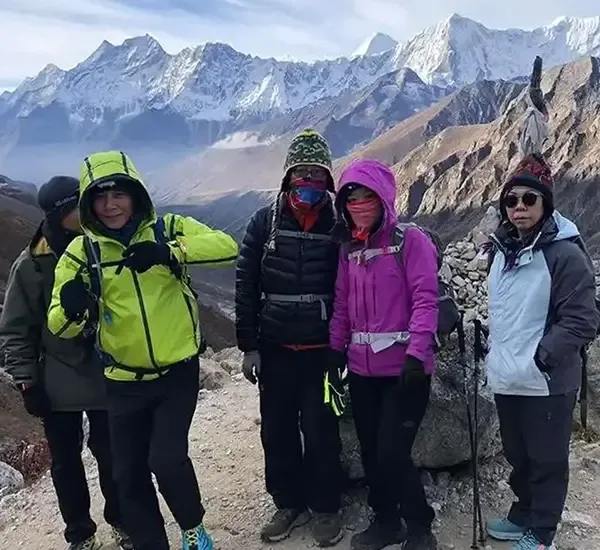


Nepal, a country nestled in the heart of the Himalayas, is a trekking paradise, offering some of the most breathtaking landscapes in the world. From towering peaks to deep valleys, lush forests, and cultural villages, Nepal's trekking routes are as diverse as they are beautiful. Whether you’re an experienced mountaineer or a beginner looking to explore the beauty of nature, Nepal offers a trek for everyone.
In this blog, we’ll provide an overview of the major trekking routes in Nepal, highlight the trekking regions, and offer a guide to help you plan your adventure.
Why Trek in Nepal?
Nepal is home to eight of the world’s 14 highest peaks, including Mount Everest, the tallest mountain on Earth. Trekking in Nepal isn’t just about reaching the summit; it’s about immersing yourself in a world of natural beauty, diverse ecosystems, and ancient cultures. The trekking routes offer varying degrees of difficulty, so whether you’re looking for a challenging trek like the Annapurna Circuit or a short, leisurely hike like the Ghorepani Poon Hill trek , Nepal has something for every kind of trekker.
Why Trekking Map?
Having a trekking route map when trekking in Nepal is not just a luxury ; it’s a necessity. While the trails in popular trekking regions like the Annapurna and Everest may be well-marked, many routes pass through remote, rugged areas with little to no signage. A trekking map helps you to:
- Ensure Safety : Trekking maps are essential for navigating unfamiliar terrain, particularly in remote or restricted areas where getting lost is a real risk. Having a map allows you to stay on track and avoid dangerous detours.
- Plan Your Route and Time : A map shows the distances between towns, villages, and campsites, helping you to plan your trekking days effectively. It also helps you understand the terrain and altitude changes, which is important for acclimatization and preventing altitude sickness.
- Discover Alternative Routes : Some trekking routes may not be direct, and a map allows you to explore alternate routes, detours, and scenic spots. It can also help you make informed decisions if weather or other factors force you to change your plans.
- Highlight Points of Interest : Maps often mark key landmarks such as monasteries, viewpoints, villages, rivers, and lakes. This enhances your trekking experience by guiding you to cultural and natural highlights along the way.
- Emergency Navigation : In case of emergencies, such as bad weather or injury, a trekking map becomes crucial in helping rescuers locate you and guiding you safely back to a village or base camp.
- Understanding the Region : Trekking maps are usually designed to include not just trails, but information about the terrain, elevation, rivers, and surrounding ecosystems. This deeper understanding of the region can make your trek more enriching and enjoyable.
List of Major Trekking Destinations with Map:
- Everest Base Camp Trekking Map
- Annapurna Circuit Trek Map
- Annapurna Base Camp Trek Map
- Poon Hill Trekking Map
- Mardi Himal Trek Map
- Upper Mustang Trek Map
- Langtang Valley Trek Map
- Manaslu Circuit Trek Map
- Kanchenjunga Trek Map