

Best Time for Trekking in Nepal: A Complete Seasonal Guide by The Great Adventure
Nepal offers some of the most breathtaking trekking experiences on earth, but choosing the best time for trekking in Nepal is essential to enjoy perfect mountain views, stable weather, and safe trails. At The Great Adventure, we help trekkers discover the Himalayas in the most rewarding way, and that begins with choosing the best season to trek in Nepal based on clear skies, temperature, and trail conditions.
This guide provides a detailed breakdown of each trekking season, its advantages, and the best trails to explore during that time—so you can confidently plan your Himalayan journey.
Understanding Nepal’s Trekking Seasons
Choosing the best season for trekking in Nepal is crucial because the country’s geography ranges from lowland jungles to extreme high-altitude passes. Each season shapes trail conditions, visibility, and comfort differently. Below is an in-depth look at what to expect in each season and which trails are best for your adventure.
Autumn (September–November): The Best Time for Trekking in Nepal
Autumn is widely regarded as the best time for trekking in Nepal and holds the top spot for travelers seeking clear views and ideal weather. At The Great Adventure, we see the highest number of successful treks during this period.
Why Autumn is Ideal
- Stable weather and dry air
- Crystal-clear views of the Himalayan range
- Comfortable walking temperatures
- Safe and dry high mountain passes
- Perfect for classic and high-altitude trails
Best Autumn Treks (Recommended by The Great Adventure)
- Everest Base Camp Trek – Peak visibility of Everest and the Khumbu Glacier
- Annapurna Circuit Trek – Best conditions for crossing Thorong La
- Manaslu Circuit Trek – Fresh landscapes following the monsoon
- Langtang Valley Trek – Unobstructed views and vibrant forests
- Upper Mustang Trek – Dry, windy, and ideal for exploring Tibetan-influenced culture
Spring (March–May): The Most Beautiful Season to Trek in Nepal
Spring is considered the second-best season to trek in Nepal, especially for those who prefer mild temperatures and blooming landscapes. This is also a favorite time for nature photographers and trekkers seeking lush Himalayan scenery.
Why Spring is Popular
- Warm days and cool nights
- Blooming rhododendron forests across mid-hills
- Stable morning views
- Excellent trail conditions
Best Spring Trekking Routes
- Ghorepani Poon Hill Trek – Famous for colorful rhododendron forests
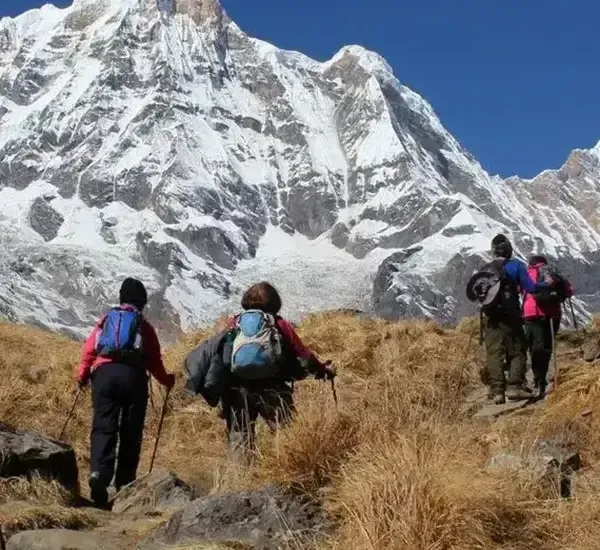
- Annapurna Base Camp Trek – Sunny afternoons and crisp morning views
- Everest Base Camp Trek – Expedition season atmosphere and iconic vistas
- Mardi Himal Trek – Forest ridge walks with close-up views of Machhapuchhre
- Kanchenjunga North and South Base Camp Trek – Wildflowers and dramatic high-mountain terrain
Winter (December–February): The Quiet and Clear Season
Winter may not be the most popular season, but it’s one of the most peaceful. While high passes may close due to heavy snow, lower-altitude routes offer crisp visibility and quiet trails.
Why Winter Works for Certain Treks
- Low crowd density
- Crystal-clear skies
- Comfortable trekking at lower altitudes
- Stunning sunrise and sunset photography
Best Winter Treks (Safe and Recommended)
- Everest View Trek – Spectacular views without extreme altitude
- Langtang Valley Trek – Manageable cold with pristine scenery
- Ghandruk–Ghorepani Trek – Warm teahouses and excellent viewpoints
- Helambu Trek – Gentle terrain and accessible trails
Monsoon (June–August): Rain-Shadow Adventures for Experienced Trekkers
Monsoon season brings lush greenery and fewer trekkers. While many trails receive heavy rain, several Himalayan regions lie in the rain shadow and remain dry—making them excellent for monsoon trekking.
Why Can Monsoon Still Be Amazing
- Vibrant green landscapes
- Warm temperatures
- Quiet, uncrowded routes
- Dry trekking in trans-Himalayan areas
Best Monsoon Treks (Recommended Rain-Shadow Routes)
- Upper Mustang Trek – One of Nepal’s best monsoon destinations
- Dolpo Region Treks – Isolated, rugged, and dry throughout monsoon
- Nar Phu Valley Trek – Remote and culturally rich
- Jomsom–Muktinath Trek – Protected by the Annapurna and Dhaulagiri ranges
Season-by-Season Trekking Guide (Comparison Table)
| Season | Weather | Visibility | Trail Conditions | Best For |
|---|---|---|---|---|
| Autumn | Cool, stable, dry | Excellent | Perfect | First-time trekkers & high-altitude routes |
| Spring | Warm, clear | Very good | Very good | Nature lovers & photographers |
| Winter | Cold, dry | Crystal Clear | Good (lower regions) | Peace seekers & short treks |
| Monsoon | Wet, humid | Limited | Slippery | Rain-shadow trekking & cultural exploration |
Best Trekking Trails in Nepal by Season (Quick Recommendation)
Best Treks in Autumn
- Everest Base Camp
- Annapurna Circuit
- Manaslu Circuit
Best Treks in Spring
- Ghorepani Poon Hill
- Mardi Himal
- Annapurna Base Camp
Best Treks in Winter
- Langtang Valley
- Everest View Trek
Best Treks in Monsoon
- Upper Mustang
- Dolpo
- Nar Phu
Final Verdict: What is the Best Season for Trekking in Nepal?
At The Great Adventure, we recommend Autumn (September–November) as the overall best time for trekking in Nepal due to perfect visibility, pleasant temperatures, and stable weather. However, each trekking season offers unique advantages:
- Autumn: Best overall experience
- Spring: Best for colorful landscapes
- Winter: Best for solitude
- Monsoon: Best for unique cultural and rain-shadow treks
Nepal welcomes trekkers year-round, if they choose the right route for the right season.
FAQs
When is the best season for trekking in Nepal?
The best seasons for trekking in Nepal are autumn (September to November) and spring (March to May). During these periods, the weather is generally clear, temperatures are moderate, and mountain views are spectacular.
Can I trek in Nepal during the monsoon season?
Trekking during the monsoon (June to August) is not recommended for most routes due to heavy rainfall, slippery trails, and increased risk of landslides. However, some lower-altitude regions like Annapurna Base Camp can still be trekked with caution.
What is the winter trekking experience like in Nepal?
Winter (December to February) offers fewer crowds and snowy mountain landscapes, especially at higher altitudes. While lower regions can be pleasant, trekking at higher elevations may require special gear and experience due to cold temperatures and snow.
Which are the top trekking routes in Nepal for 2025?
Some of the most popular trekking routes include Everest Base Camp, Annapurna Circuit, Langtang Valley, Manaslu Circuit, and Upper Mustang. Each route offers unique scenery, cultural experiences, and difficulty levels.
How should I prepare for trekking in different seasons?
Preparation depends on the season. Autumn and spring require standard trekking gear and layers for variable temperatures. Winter treks need insulated clothing, gloves, and proper boots, while monsoon treks demand waterproof gear and caution for slippery trails.