

Trekking Gears Checklist for Trekking in Nepal
A Comprehensive Guide to Essential Equipment for Safe, Comfortable, and Successful Himalayan Treks
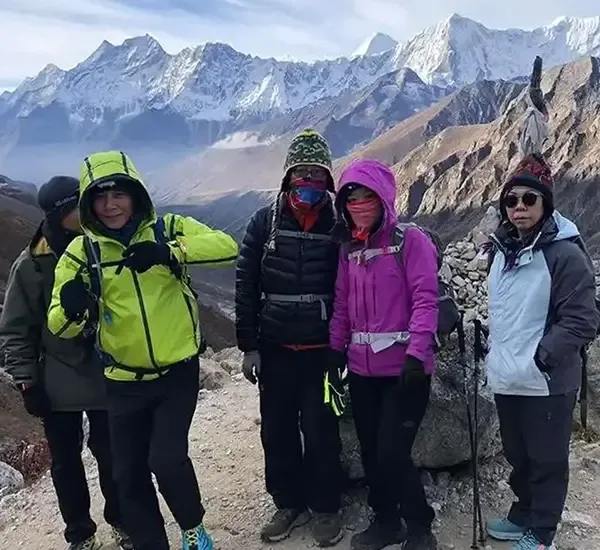
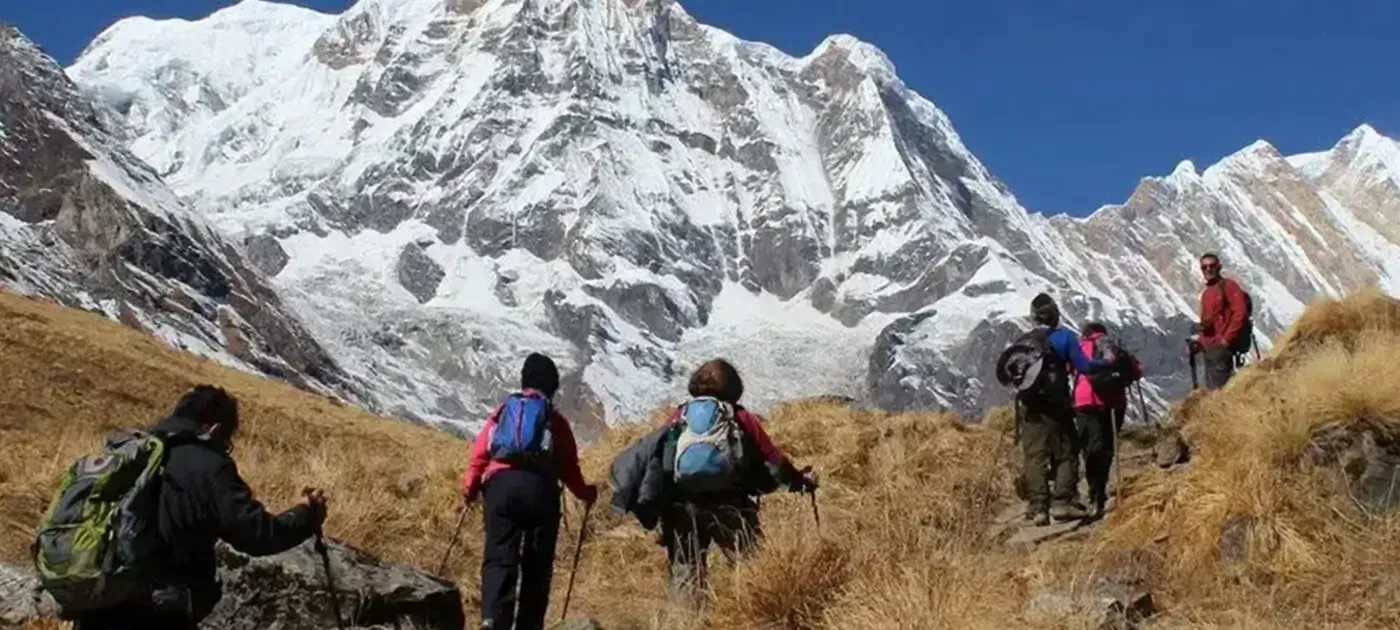
Trekking in Nepal offers an unforgettable adventure through stunning landscapes, remote mountain villages, and the world’s highest Himalayan peaks. Treks often begin in warm valleys and gradually move into cold, high-altitude regions where weather conditions can change rapidly. Careful planning and proper trekking gear are essential to ensure safety, comfort, and enjoyment throughout the journey.
Why the Right Trekking Equipment Matters in Nepal
Nepal’s trekking routes pass through diverse environments such as subtropical forests, alpine terrain, rocky trails, and snow-covered mountain passes. Inadequate or low-quality gear can create serious challenges on the trail. Having the correct trekking equipment helps protect against harsh weather, reduces physical strain, supports altitude adjustment, and enhances overall trekking comfort.
Trekking Clothing System for Nepal’s Changing Climate
Layered clothing is the most effective way to manage Nepal’s wide temperature variations during trekking.
Base Layer – Moisture Control and Comfort
The base layer sits directly against the skin and regulates body temperature by managing sweat.
- Moisture-wicking thermal tops and bottoms made from synthetic fabrics or merino wool
- Quick-drying trekking underwear
- Supportive sports bras for long trekking days
Insulation Layer – Warmth for Cold Conditions
Cold temperatures are common in higher trekking regions, especially in the mornings and evenings.
- Fleece jackets for moderate insulation
- Down or synthetic insulated jackets for high-altitude trekking
- Thermal trekking pants for colder climates
Outer Shell – Protection from Wind and Rain
Mountain weather in Nepal can change suddenly and without warning.
- Waterproof and windproof jackets with sealed seams
- Waterproof trekking trousers
- Lightweight rain ponchos for monsoon trekking
Trekking Footwear: The Foundation of Every Nepal Trek
Trekking Boots and Shoes
Footwear is one of the most important pieces of trekking gear in Nepal due to rugged and uneven trails.
- Waterproof, high-ankle trekking boots for rocky terrain
- Lightweight hiking shoes for lower-altitude treks
- Properly broken-in footwear to prevent blisters
Socks and Gaiters
- Moisture-wicking trekking socks to reduce friction
- Wool socks for colder trekking regions
- Gaiters to keep snow, mud, and debris out of boots
Backpacks and Storage for Himalayan Treks
Main Trekking Backpack
A well-fitted backpack improves balance and reduces physical strain during long trekking days.
- 40–50 liter backpacks for short or teahouse treks
- 55–70 liter backpacks for long or camping-based treks
- Adjustable shoulder straps and padded hip belts
Additional Storage Options
- Daypacks for acclimatization hikes
- Backpack rain covers
- Dry bags for clothes and electronics
Sleeping and Camping Equipment for Trekking in Nepal
Reliable sleeping gear is essential for recovery and comfort, especially at higher altitudes.
- Sleeping bags rated for sub-zero Himalayan temperatures
- Sleeping bag liners for added warmth and hygiene
- Insulated sleeping mats to block ground cold
- Lightweight tents for remote trekking areas
Trekking Poles and Physical Support
Trekking poles help maintain balance and reduce strain on knees and joints.
- Adjustable trekking poles with shock absorption
- Snow baskets for winter trekking
- Knee or ankle supports if needed
Navigation, Safety, and Emergency Equipment
Navigation Tools
- Detailed trekking maps and guidebooks
- GPS devices or offline mobile navigation apps
- Traditional compass as a backup
Safety Essentials
- Headlamp with spare batteries
- Whistle and reflective signal mirror
- Multi-tool or compact knife
- Small repair kit for gear emergencies
First Aid and Medical Kit
Medical preparedness is crucial when trekking in remote Himalayan regions.
- Personal prescription medications
- Blister treatment supplies
- Antiseptic creams and pain relievers
- Altitude sickness medication as advised
Food, Hydration, and Cooking Equipment
Hydration Systems
Proper hydration helps prevent altitude-related illnesses.
- Refillable water bottles
- Hydration bladders
- Water purification tablets or filters
Nutrition and Energy
- High-energy snack bars
- Nuts, dried fruits, and trail mixes
- Electrolyte supplements
Cooking Gear for Camping Treks
- Lightweight trekking stove and fuel
- Compact cooking pots and utensils
- Reusable cups, bowls, and cutlery
Personal Hygiene and Toiletries
Maintaining hygiene improves comfort and helps prevent illness during trekking.
- Quick-drying travel towels
- Biodegradable soap and shampoo
- Sunscreen and UV-protection lip balm
- Wet wipes and hand sanitizer
- Toilet paper and waste disposal bags
Electronics and Technical Accessories
- High-capacity power banks
- Charging cables and travel adapters
- Camera or action camera
- Spare batteries and memory cards
- Solar chargers for remote trekking areas
Important Documents and Travel Essentials
- Copies of passport and identification
- Trekking permits and travel insurance documents
- Emergency contact information
- Cash in small denominations
Smart Packing Tips for Trekking in Nepal
- Choose lightweight and multipurpose trekking gear
- Keep frequently used items easily accessible
- Distribute weight evenly in the backpack
- Waterproof essential equipment
- Test all trekking gear before starting the trek
Final Thoughts on Trekking Gear for Nepal
Trekking in Nepal is a rewarding combination of adventure, cultural exploration, and physical challenge. Selecting the right trekking gear greatly enhances safety, comfort, and confidence on the trail. With proper preparation and reliable equipment, trekkers can fully enjoy the beauty and challenges of the Himalayan landscape and create unforgettable trekking memories.