

Best Beginner Treks in Nepal: Easiest Trekking Routes(2026 Guide)
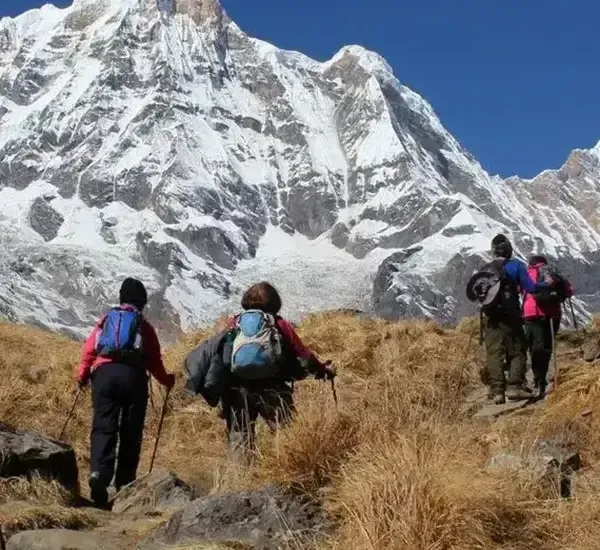
Nepal is one of the best countries in the world for trekking, and the good news is that you do not need to be an expert hiker to enjoy it. We believe Nepal is perfect for first-time trekkers because it offers well-marked trails, comfortable teahouses, friendly local communities, and stunning mountain views without extreme difficulty. This guide focuses on beginner treks in Nepal, highlighting the best treks for beginners and the most popular easy treks in Nepal using clear, simple language.
Why Nepal is the Best for Beginner Trekking
Nepal is ideal for beginners because many trekking routes are designed with gradual climbs and daily walking distances that are easy to manage. This is the heart of teahouse trekking—where you’ll find cozy lodges along the trail every few hours. This makes trekking safer, more comfortable, and less physically demanding for beginners.
Key reasons Nepal is great for beginner trekkers include:
- Clearly defined and well-maintained trekking routes
- Short walking hours each day(typically 4-6 hours)
- No technical climbing or mountaineering skills required
- Teahouse accommodation with hot meals
- Strong local support and experienced guides
What Makes a Trek Beginner-Friendly
Not all treks in Nepal are difficult. Easy treks in Nepal usually have lower altitudes, gentle paths, and fewer steep climbs. A beginner trek typically stays below 4,000 meters and allows enough time for rest and enjoyment, minimizing the risk of altitude sickness for beginners.
Beginner-friendly treks usually offer:
- Daily walks of 4 to 6 hours
- Gradual altitude gain
- Wide and safe trails
- Comfortable teahouse stays
- Flexibility for rest days
5 Best & Easiest Treks in Nepal for Beginners: Quick Comparison
Choosing your first trek can be overwhelming. Use this simple comparison table to see which adventure fits your time, comfort level, and interests.
| Trek Name | Duration (Typical) | Max Altitude | Difficulty (1-5) | Perfect For... |
|---|---|---|---|---|
| Ghorepani Poon Hill Trek | 4-5 days | 3,210 m (Poon Hill) | 2/5 | Iconic sunrise views & classic teahouse experience |
| Langtang Valley Trek | 7-8 days | 3,870 m (Kyanjin Ri) | 3/5 | Closer mountain vistas & rich Tamang culture |
| Helambu Trek | 5-7 days | 3,640 m | 2/5 | Cultural immersion & easy access from Kathmandu |
| Mardi Himal Trek (Lower) | 4-6 days | ~2,800 m (Forest Camp) | 2/5 | Quiet trails & stunning Machhapuchhre views |
| Australian Camp Trek | 2-3 days | ~2,065 m | 1/5 | A super short, sweet taste of the Himalayas |
1. Ghorepani Poon Hill Trek
Max Altitude: 3,210 meters
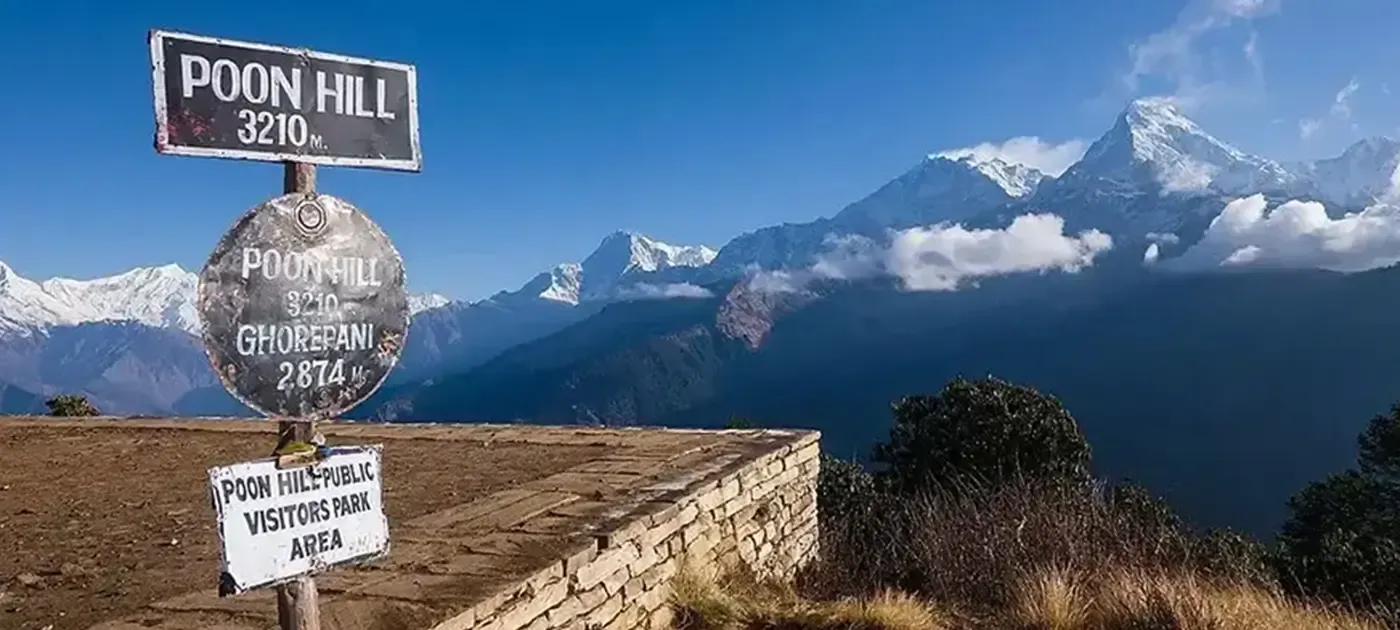
The Ghorepani Poon Hill Trek is arguably the most popular beginner trek in Nepal. It’s short, incredibly scenic, and manageable for almost anyone with a basic fitness level.
Why it’s perfect for beginners:
- Famous panoramic sunrise view from Poon Hill over the Annapurna and Dhaulagiri ranges.
- Walk through vibrant rhododendron forests (spectacular in spring).
- Well-developed trail with plentiful teahouse options.
- Suitable for families and first-time trekkers.
- This trek offers the classic Himalayan postcard views without long or strenuous walking days.
2. Langtang Valley Trek
Max Altitude: 3,870 meters
The Langtang Valley Trek is one of the best treks for beginners who want to feel surrounded by high mountains while on safe and gradual trails. It’s easily accessible from Kathmandu.
Highlights:
- Close-up, breathtaking views of Himalayan peaks like Langtang Lirung.
- Experience the traditional culture of Tamang villages.
- Peaceful trails through lush forests and past glacial rivers.
- Less crowded than the Annapurna region, offering a more serene experience.
- The steady climb and excellent teahouse facilities make this trek comfortable and deeply rewarding.
3. Helambu Trek
Max Altitude: 3,640 meters
The Helambu Trek is an excellent option for those looking for easy treks in Nepal close to Kathmandu. It combines gentle hiking with rich cultural encounters.
Why beginners love this trek:
- Lower altitude and gentle walking days.
- Rich cultural experience with the Hyolmo people.
- Scenic trails through serene forests, terraced farms, and traditional villages.
- Shorter overall trekking duration, perfect for limited schedules.
4. Mardi Himal Trek (Lower Section)
Max Altitude (Lower Section): ~2,800 meters
For beginners seeking quieter trails, the lower section of the Mardi Himal Trek is a fantastic choice. It focuses on the beautiful foothills without ascending to the more challenging high base camp.
Key features:
- A less crowded alternative to the Poon Hill route.
- Comfortable teahouse stays in villages like Sidhing and Forest Camp.
- Stunning, unobstructed views of the iconic Machhapuchhre (Fishtail Mountain).
- Flexible itinerary that can be tailored for complete beginners.
5. Australian Camp Trek
Max Altitude: ~2,065 meters
If you’re looking for the shortest and easiest trek in Nepal, the Australian Camp Trek is it. Often combined with a night in Dhampus, it’s ideal for those with very little time or who want a zero-stress introduction.
Why it’s the ultimate starter trek:
- Very low altitude, virtually no risk of altitude sickness.
- Very short walking days (2-3 hours).
- Panoramic mountain views of the Annapurna South and Hiunchuli peaks.
- Perfect for families with young children or senior travelers.
Best Time for Beginner To Trek in Nepal
The best seasons for beginner treks in Nepal are spring (March to May) and autumn (September to November).
- Spring (March to May)
- Autumn (September to November)
- Winter (December-February) is also suitable for low-altitude easy treks like Poon Hill and Australian Camp, though it will be colder.
- The monsoon season (June-August) is best avoided by beginners due to slippery trails and leeches.
Physical Preparation for Beginner Treks
You don’t need to be an athlete to complete these beginner treks in Nepal. Simple, consistent preparation will make your trek significantly more enjoyable.
Helpful preparation tips:
- Regular walking or light hiking
- Stair climbing
- Basic stretching
- Focus on
Accommodation and Food: The Teahouse System
Most beginner trekking routes in Nepal use the famous teahouse system, meaning you don’t need heavy camping gear.
What Trekkers can expect while Trekking in Nepal:
- Clean, basic rooms with twin beds
- Warm, hearty meals like daal bhat, noodles, curry
- Friendly service from local hosts in family-run lodges.
FAQ: Your Beginner Trekking Questions Answered
Q: Is altitude sickness a risk on these beginner treks?
A: The risk is low on these selected routes, as they all stay below 4,000m and allow for gradual ascent. However, always listen to your body, ascend slowly, and stay hydrated.
Q: Can I trek in Nepal without a guide as a beginner?
A: While trails like Poon Hill are well-marked, we highly recommend hiring a local guide for your first trek. They ensure safety, handle logistics, provide cultural insights, and enhance your overall experience. For a packing list for Nepal trek, consult your guide or tour operator.
Q: What is the average cost per day for a beginner trek?
A: For teahouse trekking, budget approximately $25-$50 USD per day (excluding international flights and trekking permits). This covers basic meals, accommodation, and a guide/porter. The cost of trekking in Nepal can vary based on comfort level and group size.
Final Thoughts & Your Next Step
Nepal offers some of the world’s most rewarding and accessible trekking experiences for beginners. From gentle forest paths to breathtaking mountain viewpoints, beginner treks in Nepal provide the perfect, safe introduction to the magic of the Himalayas.
Ready to plan your adventure?
Use this guide to choose your perfect first trek. For detailed day-by-day itineraries, trekking permit information, and personalized advice from our expert planners, explore our dedicated trek pages or contact us today. Your lifetime of Himalayan memories starts with a single step.