
Introduction to the Manaslu Circuit Trek
The Manaslu Circuit Trek is one of Nepal most rewarding long distance trekking adventures, yet it remains far less crowded than famous routes like Everest Base Camp or Annapurna Circuit. This trek takes you deep into the remote Himalayas, circling Mount Manaslu, the eighth highest mountain in the world. What makes this journey truly special is the balance it offers between raw natural beauty, rich mountain culture, and a genuine sense of exploration.
Walking the Manaslu Circuit feels like traveling back in time. The trail passes through traditional villages where life still follows ancient rhythms. Prayer flags flutter in the wind, stone houses cling to hillsides, and monks chant inside centuries old monasteries. Every day on the trail brings a new landscape, from green river valleys to icy mountain passes.
This trek is perfect for trekkers who want a quieter, more meaningful Himalayan experience. It is not just about reaching a destination. It is about the gradual journey, the people you meet, and the powerful connection you feel with the mountains. If you are searching for an authentic Nepal trekking experience, the Manaslu Circuit Trek delivers on every level.
Where the Manaslu Circuit Trek Is Located
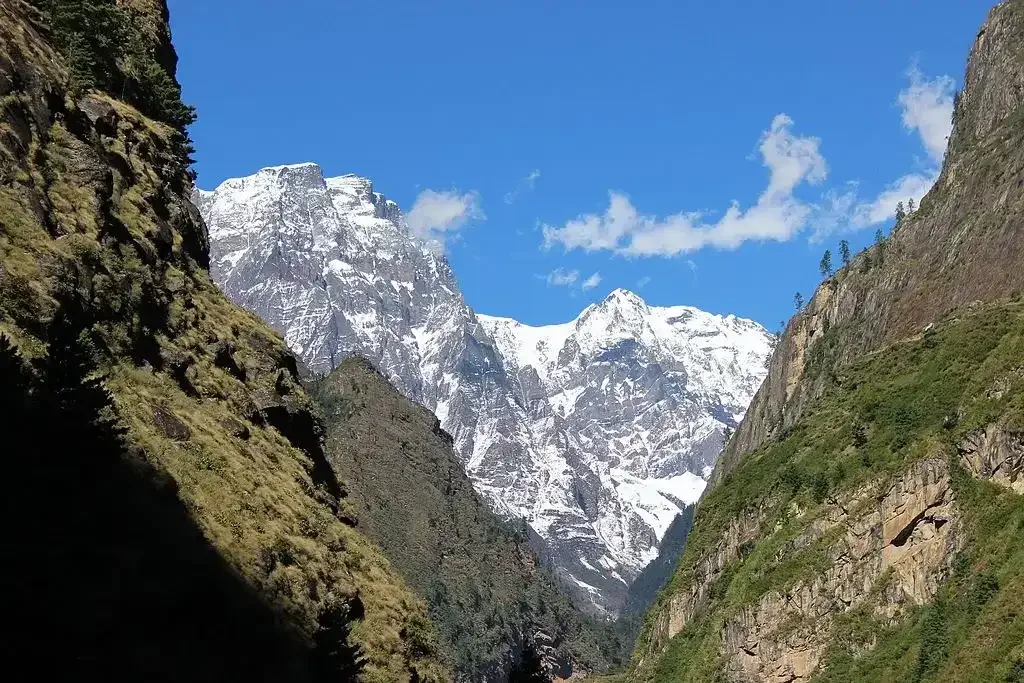
The Manaslu Circuit Trek is located in the Gorkha district of northern Nepal, close to the border with Tibet. The trekking route lies within the Manaslu Conservation Area, a protected region known for its dramatic landscapes and rich biodiversity. The trail follows the Budhi Gandaki River for much of the journey, slowly climbing from low altitude villages to high alpine terrain.
As you move deeper into the region, the scenery changes dramatically. Lush forests filled with bamboo and pine gradually give way to rocky cliffs, glaciers, and snow covered peaks. The higher villages show strong Tibetan cultural influence, reflected in architecture, clothing, language, and religious practices.
Because of its remote location and restricted area status, the Manaslu region has remained largely untouched by mass tourism. This isolation is exactly what makes the trek so appealing. You are not just walking through mountains. You are entering a living landscape shaped by nature and tradition over thousands of years.
History and Cultural Background of the Manaslu Region
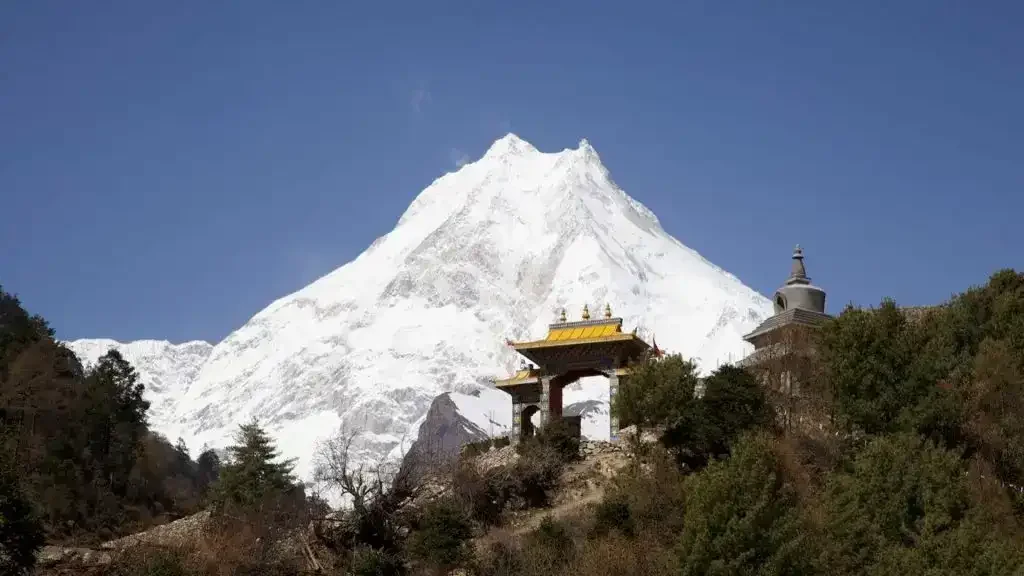
The Manaslu region has a long and fascinating history rooted in trade, migration, and spiritual tradition. For centuries, the trails you walk today were used by traders moving salt, wool, and grains between Nepal and Tibet. These ancient trade routes helped shape the culture and economy of the region.
Mount Manaslu itself was first climbed in 1956 by a Japanese expedition, which is why it is sometimes called the Japanese mountain. Despite this early mountaineering interest, the region remained closed to foreign trekkers until the early nineteen nineties. This late opening helped preserve its cultural integrity.
Villages such as Samagaon and Samdo still practice Tibetan Buddhism as a central part of daily life. Monasteries serve as spiritual and social centers, and festivals follow the lunar calendar. The culture here is not performed for visitors. It is lived naturally, making the Manaslu Circuit Trek a deeply immersive cultural experience.
Why Choose the Manaslu Circuit Trek
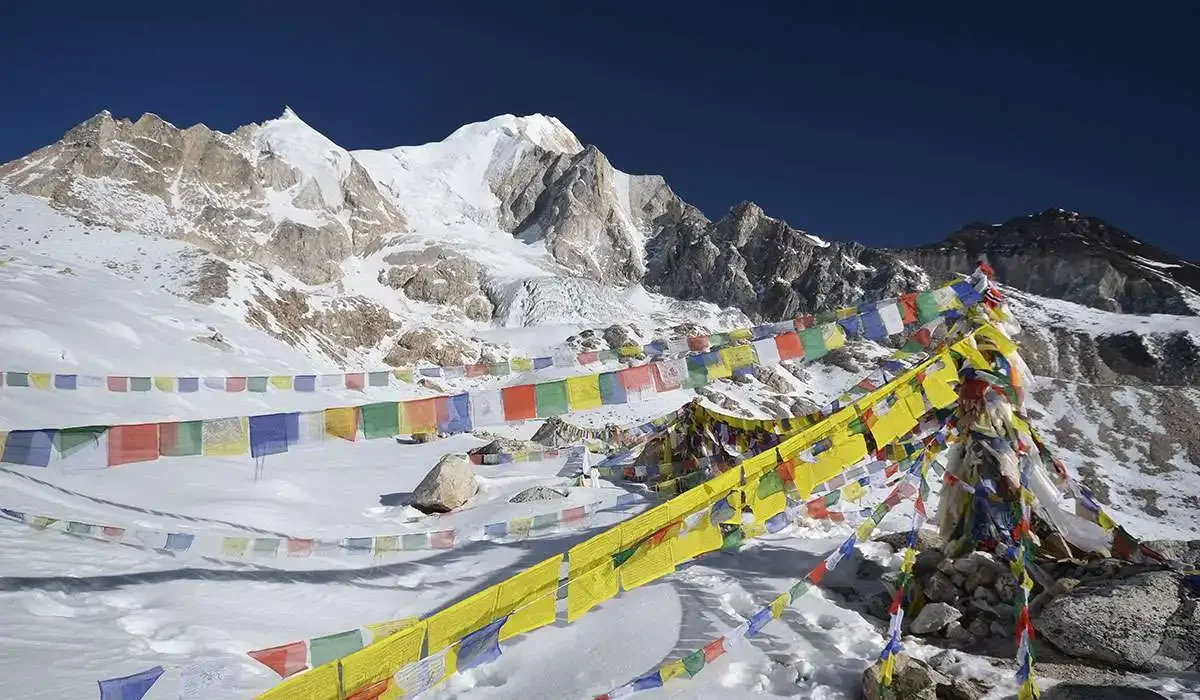
One of the main reasons trekkers choose the Manaslu Circuit Trek is the sense of solitude it offers. Compared to popular trekking routes, this trail sees far fewer visitors. Many days you may walk for hours without seeing another trekking group, allowing you to fully absorb the natural surroundings.
The scenery on the Manaslu Circuit is just as impressive as any major trek in Nepal. Snow covered peaks, massive glaciers, deep gorges, and high mountain passes create a constantly changing backdrop. Mount Manaslu dominates the skyline, while other peaks like Himlung Himal and Ganesh Himal add to the dramatic views.
Another key reason is cultural authenticity. The villages along the route have retained traditional lifestyles, untouched by heavy commercialization. If you value meaningful travel experiences and genuine human connections, the Manaslu Circuit Trek stands out as one of the best trekking choices in Nepal.
Best Time to Do the Manaslu Circuit Trek
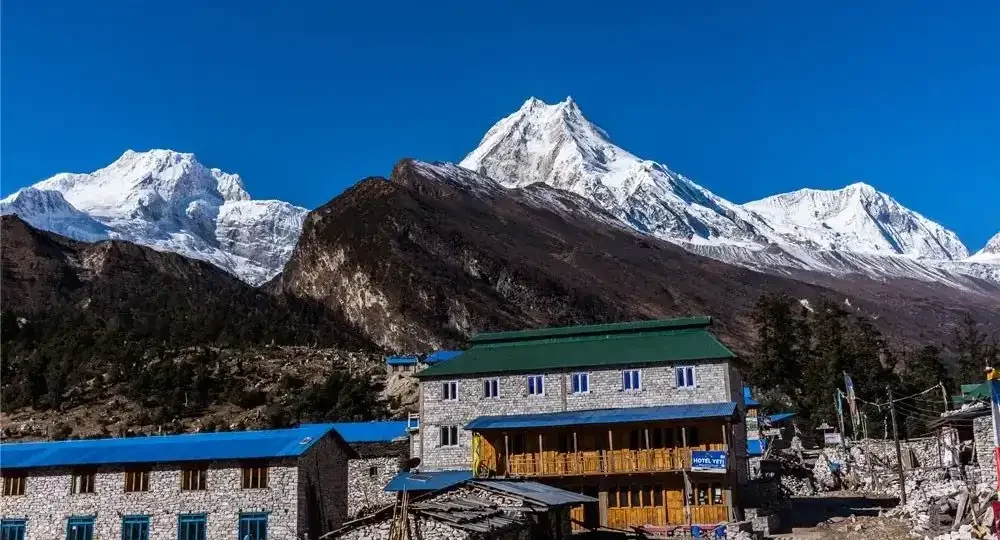
Choosing the right season is essential for a successful Manaslu Circuit Trek. The best times to trek are spring and autumn. During these seasons, weather conditions are stable, temperatures are moderate, and mountain views are clear.
Spring runs from March to May and is known for blooming rhododendron forests and mild temperatures. The trails come alive with color, and the days are long and pleasant for trekking. Wildlife is also more active during this time.
Autumn lasts from September to November and is considered the most popular trekking season in Nepal. Clear skies, crisp air, and excellent visibility make it ideal for mountain views. Winter trekking is possible but challenging due to snow, while the monsoon season brings rain and landslides, making it less suitable for most trekkers.
Difficulty Level of the Manaslu Circuit Trek
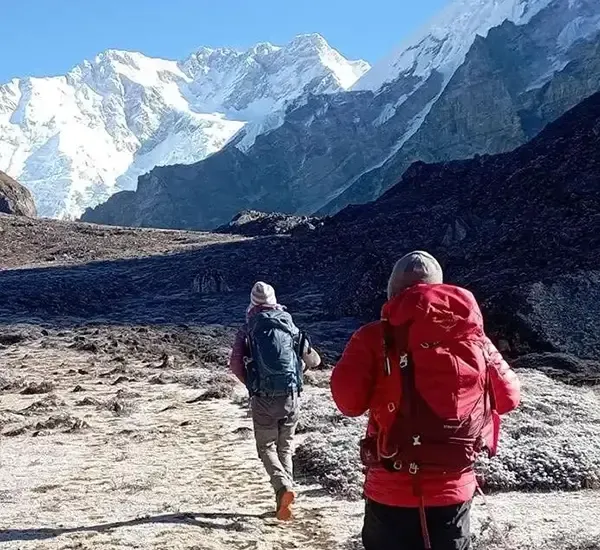
The Manaslu Circuit Trek is considered moderately difficult, but it requires good physical fitness and mental determination. Trekkers typically walk six to eight hours per day on uneven terrain, with steady elevation gain.
The biggest challenge is altitude. The trek reaches its highest point at Larkya La Pass, which sits at 5160 meters. At this height, oxygen levels are significantly lower, making acclimatization essential. Most itineraries include rest days to help the body adjust.
While no technical climbing skills are needed, preparation is important. Regular cardio exercise, hiking practice, and strength training can make a huge difference. With proper planning and a positive mindset, many trekkers successfully complete the Manaslu Circuit Trek and find it incredibly rewarding.
Permits Required for the Manaslu Circuit Trek
Trekking in the Manaslu region requires several permits due to its restricted area status. These permits help control tourism and protect the fragile environment and local culture.
The main permit is the Restricted Area Permit, which can only be obtained through a registered trekking agency. A minimum of two trekkers and a licensed guide are required. In addition, trekkers need the Manaslu Conservation Area Permit and the Annapurna Conservation Area Permit, as the route exits through the Annapurna region.
Although the permit process may seem complex, it ensures a safer and more sustainable trekking experience. The controlled access is one reason the Manaslu Circuit remains peaceful and well preserved.
Manaslu Circuit Trek Itinerary
Day 1: Drive from Kathmandu to Machha Khola.
The trip starts with a long drive. It takes about 8 or 9 hours on some bumpy roads to reach the starting point, but it gets you out of the city and into the mountains.
Day 2: Trek to Jagat.
Today, you enter the special Restricted Area. You will walk along the river through green forests and rocky trails, ending the day in a nice stone village.
Day 3: Trek to Deng.
You continue walking upstream through the river gorge. The valley gets narrower and steeper, and you will cross a few suspension bridges along the way.
Day 4: Trek to Namrung.
This is a tough day where you climb higher. You will notice the trees changing as you leave the lush lower lands and start getting into the high mountain territory.
Day 5: Trek to Lho.
Now you are in the big mountains. Lho is a beautiful village, and it is the first place where you will see the giant Mt. Manaslu towering right above you.
Day 6: Trek to Sama Gaon.
A short and beautiful walk takes you to the main village of the region. This is where most trekkers stop to rest and prepare for the higher altitude.
Day 7: Acclimatization Day at Sama Gaon.
You spend the day here to let your body adjust to the thin air. You can hike up to Birendra Lake for the views, but you come back down to sleep.
Day 8: Trek to Samdo.
You walk up to the last village before the pass. It is very close to the border of Tibet, and it used to be a major trading post. It is cold and beautiful here.
Day 9: Trek to Dharmasala.
This is a short walk to the High Camp. There is only a basic lodge here, and it gets very cold. You rest early because the next day is the big one.
Day 10: Trek to Bimthang via Larkya La Pass.
You wake up around 4:00 AM to climb the pass. It is hard work, but the view from the top is incredible. After enjoying the view, you make a long descent down to Bimthang.
Day 11: Trek to Tilije.
You walk down quickly into the warmer air. The trees come back, and it becomes easier to breathe as you drop lower into the valley.
Day 12: Trek to Dharapani and Drive to Besisahar.
You walk for a bit until you hit the road, then hop in a jeep for a rough drive down to the town of Besisahar.
Day 13: Drive from Besisahar to Kathmandu.
You finish the trip with a drive back to Kathmandu. It’s a long day on the road, but you’ll be back in the city in time for a celebratory dinner.
Larkya La Pass Experience
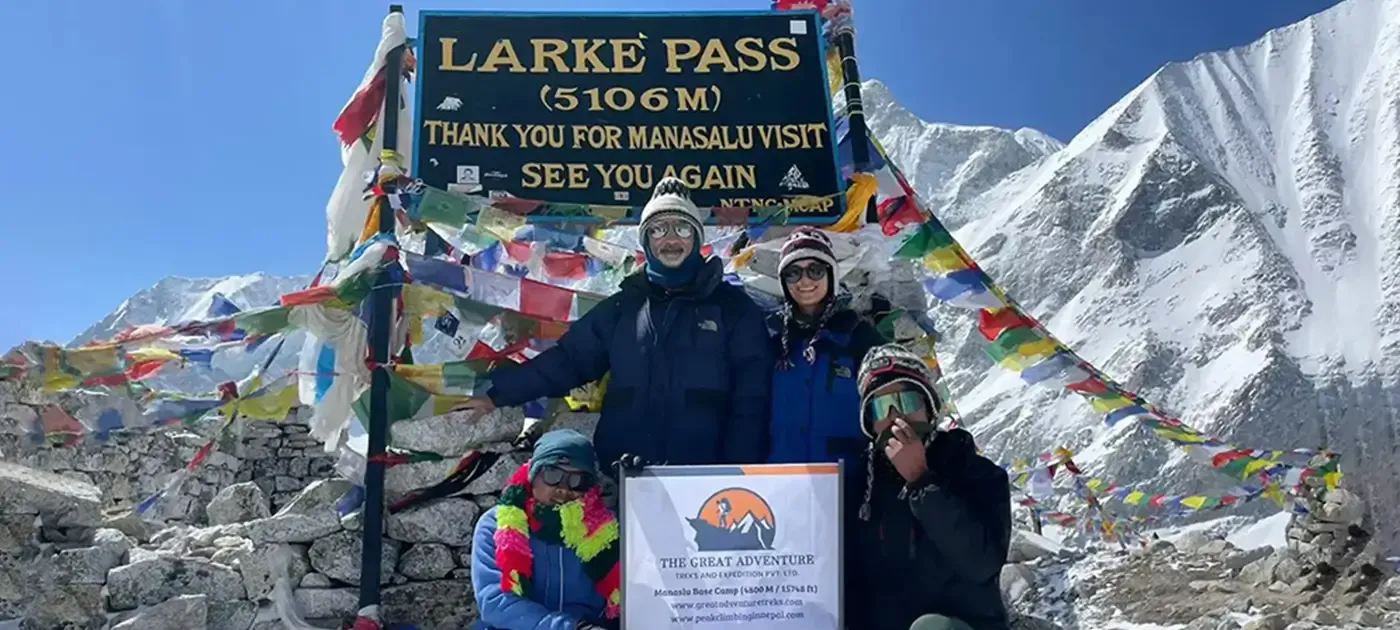
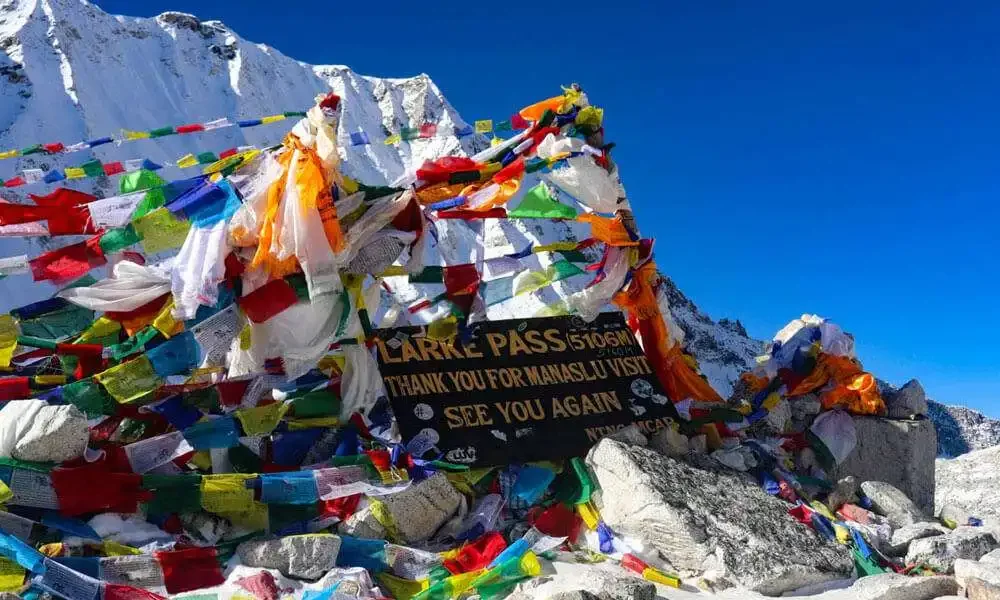
Crossing Larkya La Pass is the highlight of the Manaslu Circuit Trek. This high mountain pass is long, demanding, and incredibly scenic. The day usually starts before sunrise to avoid strong winds and changing weather.
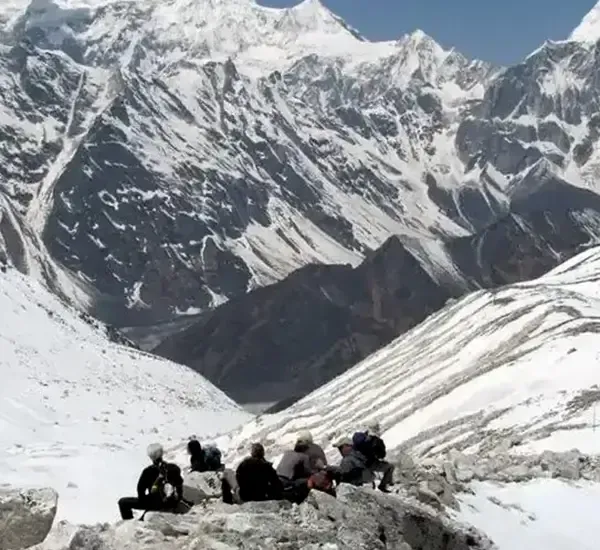
The ascent is gradual but relentless, with rocky paths and sometimes snow underfoot. Reaching the top feels like a major achievement. From the pass, trekkers are rewarded with panoramic views of glaciers and towering Himalayan peaks.
The descent is steep but manageable, leading to the beautiful alpine valley of Bimthang. This day tests both physical endurance and mental strength, but it is also one of the most memorable moments of the entire trek.
Accommodation and Food on the Manaslu Circuit Trek
Accommodation along the Manaslu Circuit Trek is provided by teahouses. These are simple lodges run by local families. Rooms usually have basic beds, blankets, and shared bathrooms. While facilities are basic, the warmth of local hospitality makes every stay comfortable.
Food options are surprisingly varied. Dal bhat is the most common and reliable meal, providing plenty of energy for trekking. Other meals include noodles, rice dishes, soups, and Tibetan bread. As altitude increases, menus become simpler and prices rise due to transportation challenges.
Eating together in teahouse dining rooms creates a strong sense of community. Sharing stories over hot tea while resting tired legs attachment forms some of the best memories of the trek.
Cost of the Manaslu Circuit Trek
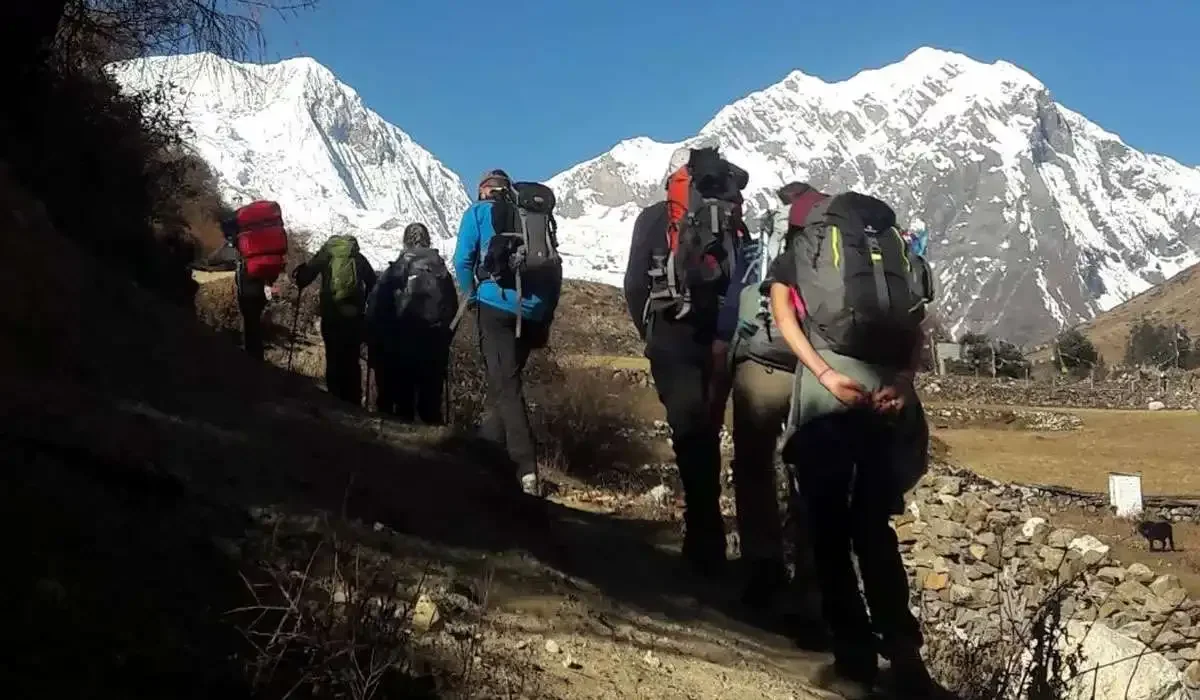
The total cost of the Manaslu Circuit Trek depends on several factors, including group size, season, and services included. On average, trekkers can expect to spend between twelve hundred and two thousand US dollars.
This cost usually covers permits, guide and porter fees, accommodation, meals, transportation, and agency support. Hiring a guide is mandatory and adds significant value through local knowledge, safety support, and cultural insight.
While the Manaslu Circuit Trek may cost slightly more than unrestricted treks, the experience it offers is well worth the investment.
Packing Essentials for the Manaslu Circuit Trek
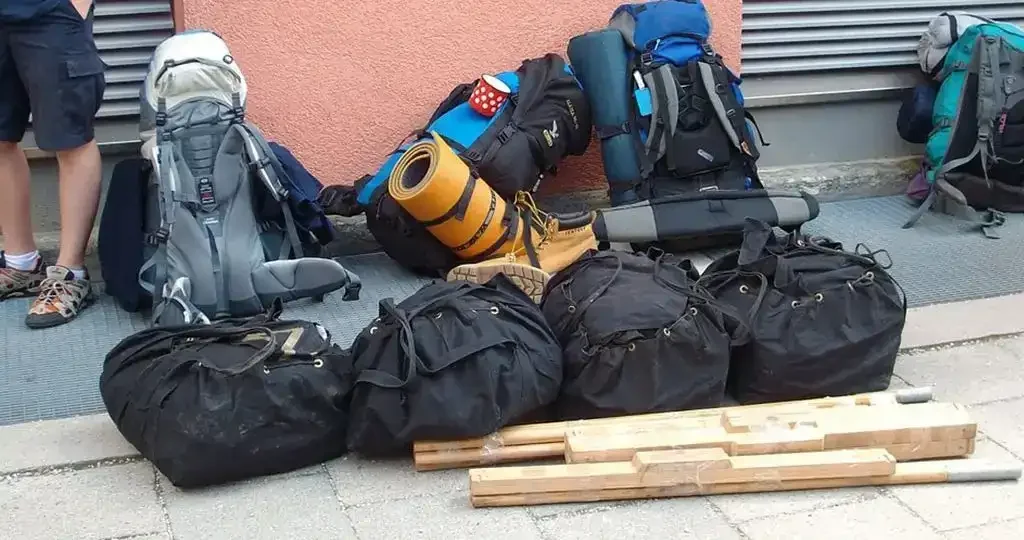
Packing wisely is crucial for a successful trek. Essential clothing includes layered outfits, thermal base layers, a warm down jacket, and a waterproof outer shell. Good quality trekking boots are absolutely necessary.
Other important items include a sleeping bag suitable for cold temperatures, trekking poles, headlamp, sunscreen, sunglasses, water purification tablets, and a basic first aid kit. Keeping your backpack light helps conserve energy, especially at high altitude.
Proper preparation ensures comfort, safety, and enjoyment throughout the trek.
People Culture and Daily Life in the Manaslu Region
The people of the Manaslu region are known for their resilience, humility, and strong spiritual values. Life here revolves around farming, animal husbandry, and religious practices. Tibetan Buddhism plays a central role in shaping daily routines and community life.
Visitors often feel deeply moved by the simplicity and kindness of local people. Observing prayer ceremonies, visiting monasteries, and learning about traditional customs adds depth to the trekking experience.
The cultural connection formed during the Manaslu Circuit Trek often becomes just as meaningful as the physical journey itself.
Safety and Altitude Awareness
Altitude sickness is the most common health concern on the Manaslu Circuit Trek. Symptoms include headache, nausea, dizziness, and fatigue. The best prevention is slow ascent, proper acclimatization, and staying well hydrated.
Listening to your body is essential. If symptoms worsen, descending to a lower altitude is the most effective solution. Trekking with an experienced guide significantly improves safety and response to emergencies.
With proper awareness and preparation, the trek can be completed safely and confidently.
Responsible and Sustainable Trekking
The Manaslu region is environmentally sensitive, and responsible trekking is essential. Trekkers should minimize waste, avoid single use plastics, and respect local customs and traditions.
Supporting local teahouses and services helps strengthen the regional economy. Simple actions like carrying reusable water bottles and following established trails contribute to long term conservation.
Sustainable trekking ensures that the Manaslu Circuit remains beautiful and accessible for future generations.
Conclusion
The Manaslu Circuit Trek is more than just a trek. It is a journey through untouched landscapes, ancient cultures, and personal limits. From quiet forest paths to high mountain passes, every step offers discovery and reflection.
For trekkers seeking authenticity, challenge, and solitude, the Manaslu Circuit Trek stands as one of the finest trekking experiences in Nepal. It leaves you with not only stunning photographs but also lasting memories and a deeper appreciation for the Himalayas.
Frequently Asked Questions
1. Is the Manaslu Circuit Trek suitable for beginners
Yes, fit beginners with proper preparation and guidance can complete the trek.
2. How long does the Manaslu Circuit Trek take
Most itineraries range from fourteen to eighteen days.
3. Is a guide mandatory for the Manaslu Circuit Trek
Yes, a licensed guide is required by regulation.
4. How crowded is the Manaslu Circuit Trek
It is much quieter than Everest or Annapurna routes.
5. What makes the Manaslu Circuit Trek unique
remote trails, strong Tibetan culture, and pristine natural beauty.