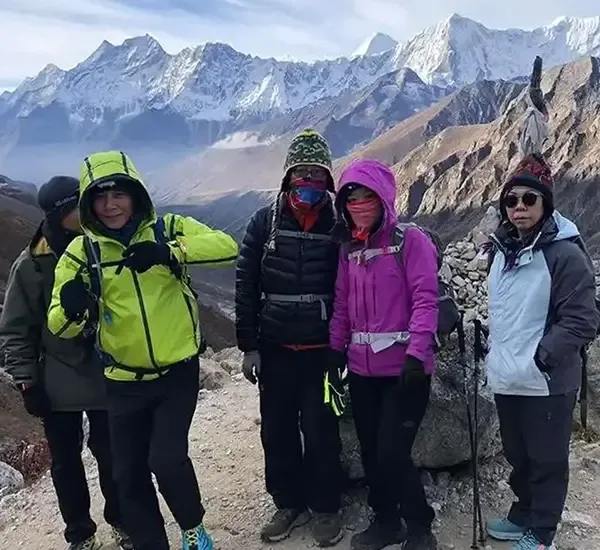

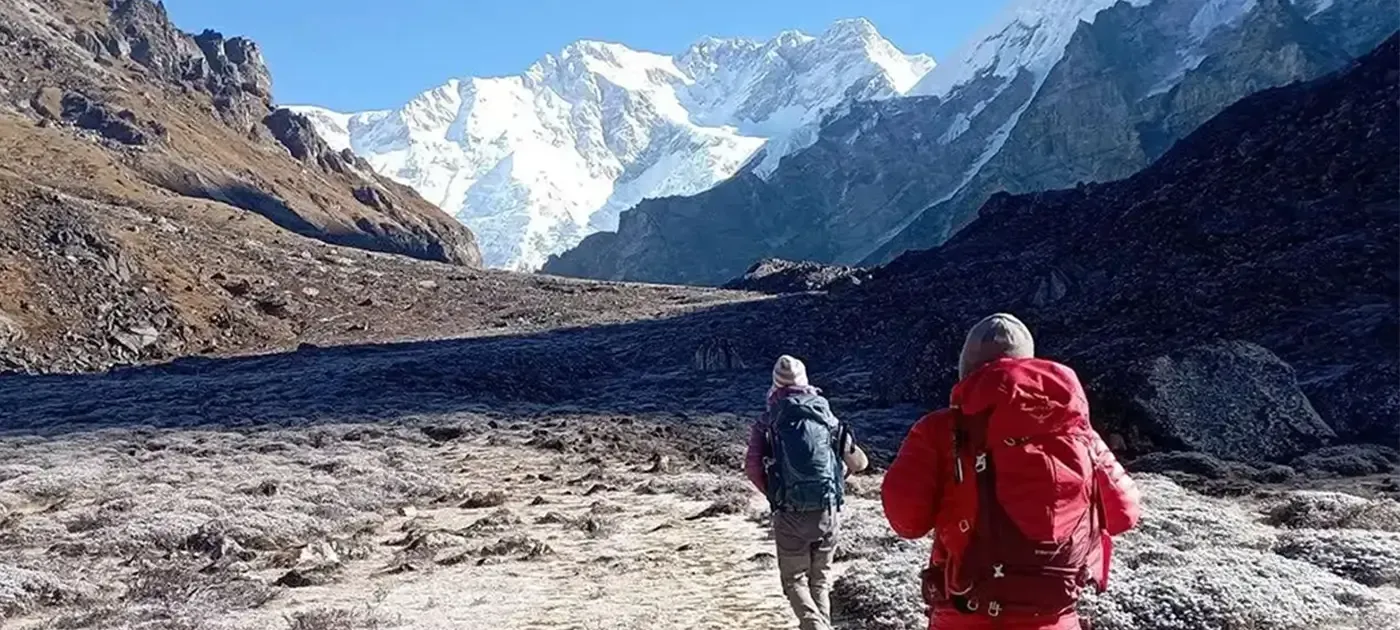

Everything to Know About Kanchenjunga Trek
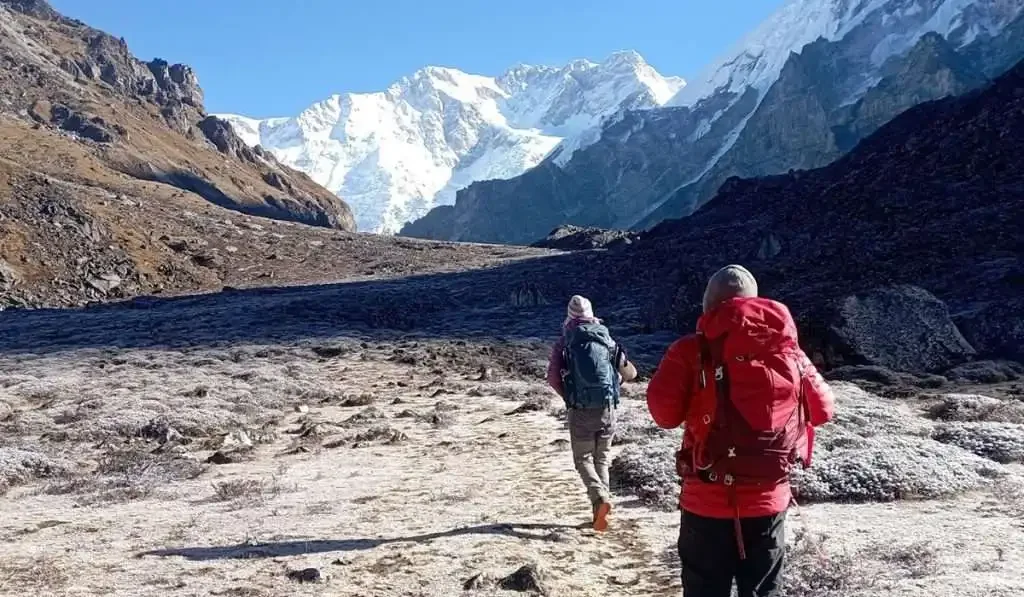
Overview of the Kanchenjunga Trek
The Kanchenjunga Trek is one of the most remote and rewarding trekking adventures in Nepal, offering an unmatched experience for trekkers seeking wilderness, authenticity, and raw Himalayan beauty. Located in eastern Nepal, this trek takes us deep into the Kanchenjunga Conservation Area, leading to the base camps of Mount Kanchenjunga, the third highest mountain in the world at 8,586 meters. Unlike popular routes such as Everest or Annapurna, Kanchenjunga remains largely untouched, making it ideal for trekkers who value solitude and nature in its purest form.
Location and Geographic Significance
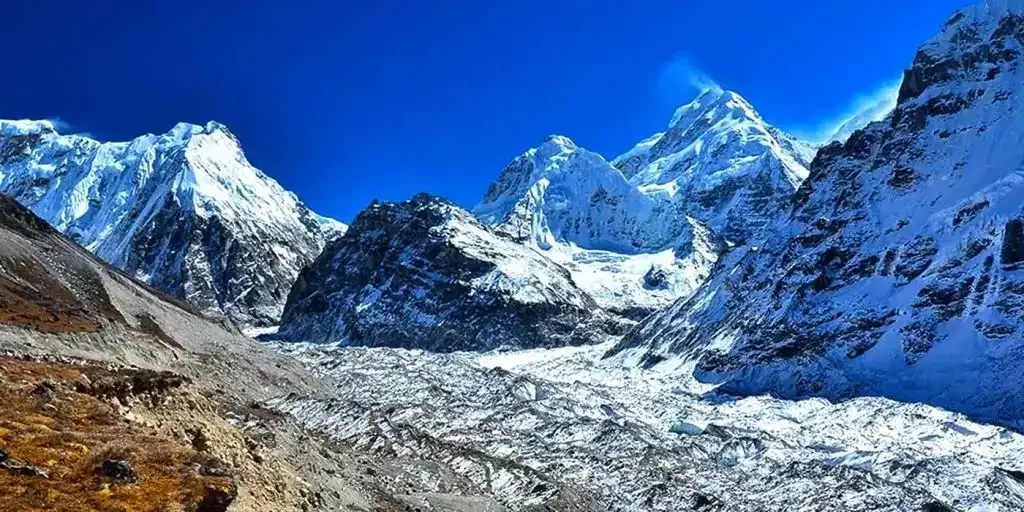
Mount Kanchenjunga lies on the border of Nepal and India, with trekking routes entirely within Nepal’s Taplejung district. The region is characterized by rugged terrain, deep valleys, massive glaciers, and towering peaks. Its remote location has helped preserve its natural ecosystems and traditional cultures, making the Kanchenjunga Trek a true off the beaten path Himalayan journey.
Why the Kanchenjunga Trek Is Unique
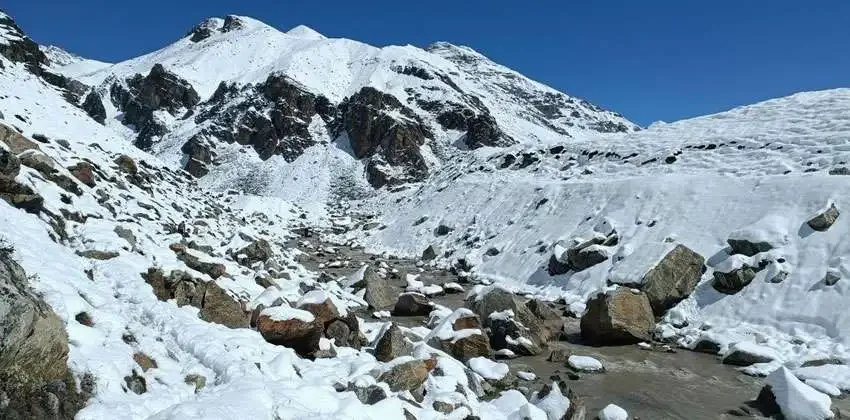
The Kanchenjunga Trek stands out due to its isolation and authenticity. We choose this trek for:
- Extremely low trekking traffic
- Pristine mountain landscapes
- Close views of Kanchenjunga, Jannu, Kabru, and other Himalayan giants
- Traditional villages untouched by modernization
- A sense of true exploration and adventure
This trek is ideal for experienced trekkers who want to go beyond mainstream trekking routes.
Kanchenjunga Trek Route Options
There are three main trekking options in the Kanchenjunga region, each offering a distinct experience.
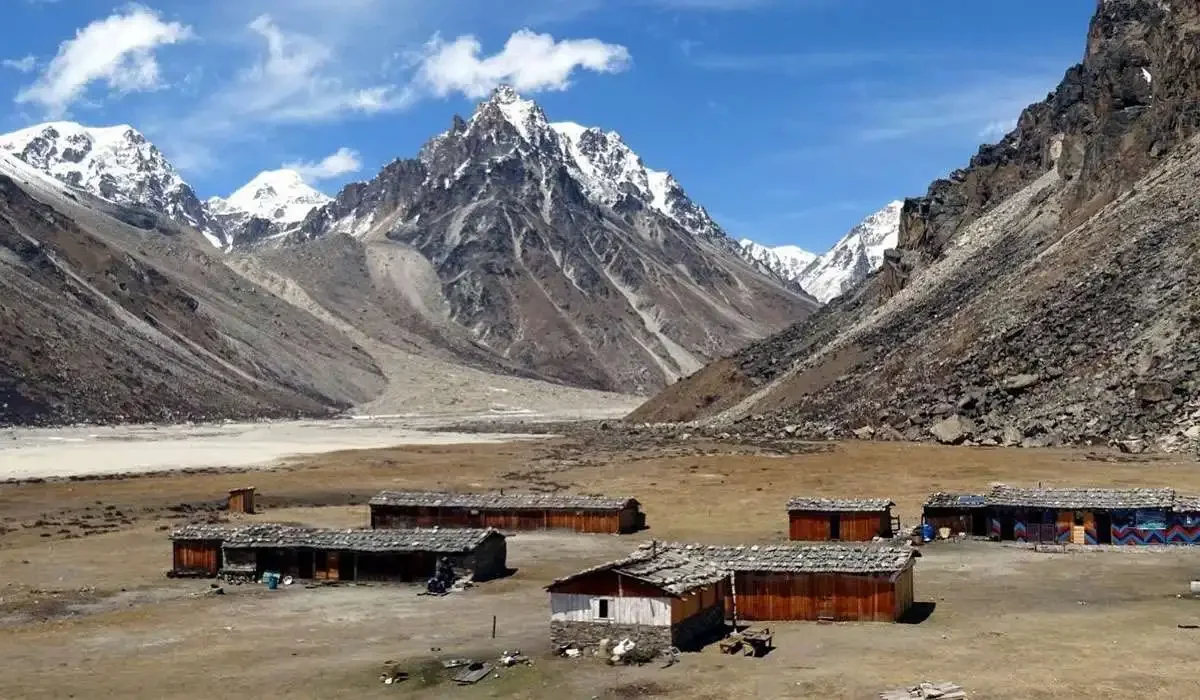
Kanchenjunga North Base Camp Trek
This route leads us to Pang Pema, the North Base Camp of Mount Kanchenjunga. The trail follows glacial valleys and high altitude landscapes, offering dramatic views of icefalls and towering peaks. Pang Pema is considered one of the most scenic base camps in Nepal.
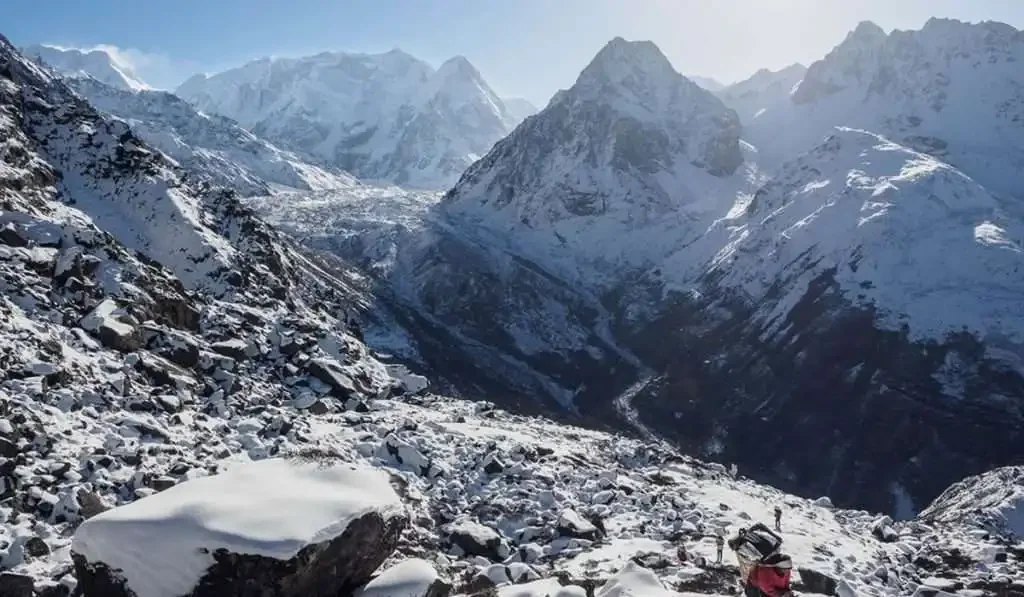
Kanchenjunga South Base Camp Trek
The South Base Camp trek takes us to Oktang, where we experience close views of the Yalung Glacier. This route features lush forests, alpine meadows, and remote settlements, making it perfect for trekkers who appreciate diversity in landscapes.
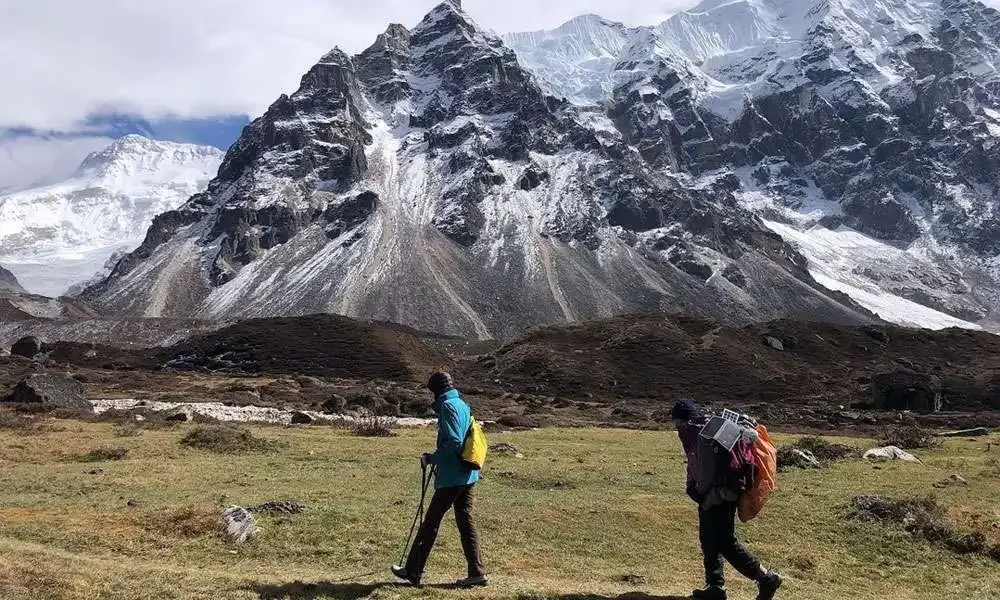
Kanchenjunga Circuit Trek
The Kanchenjunga Circuit Trek combines both North and South Base Camps, offering the most comprehensive exploration of the region. This route is longer and more demanding but provides the ultimate Kanchenjunga trekking experience.
Best Time to Do the Kanchenjunga Trek
Choosing the right season is essential for a safe and enjoyable trek.
Spring Season
From March to May, the Kanchenjunga region comes alive with blooming rhododendron forests and stable weather conditions. Clear skies provide excellent mountain views, making this one of the best seasons for trekking.
Autumn Season
From September to November, we enjoy dry trails, crisp mountain air, and exceptional visibility. Autumn is considered the most reliable season for the Kanchenjunga Trek.
Winter is extremely cold with heavy snowfall, while monsoon season brings landslides and poor trail conditions.
Kanchenjunga Trek Difficulty Level
The Kanchenjunga Trek difficulty is rated as challenging to strenuous. The trek involves:
- Long daily walking hours
- High altitude ascents above 5,000 meters
- Remote trails with limited facilities
- Basic accommodation and food
Strong physical fitness, previous trekking experience, and mental preparedness are essential for completing this trek successfully.
Altitude and Acclimatization
The trek reaches elevations of over 5,100 meters, making acclimatization critical. We follow a gradual ascent itinerary with rest days to allow the body to adapt to high altitude. Proper hydration, slow pacing, and awareness of altitude sickness symptoms ensure safety throughout the journey.
Permits Required for Kanchenjunga Trek
Since the Kanchenjunga region is a restricted area, trekkers must obtain:
- Restricted Area Permit
- Kanchenjunga Conservation Area Permit
A licensed trekking agency and registered guide are mandatory, ensuring safety and responsible trekking practices.
Accommodation During the Trek
Accommodation along the Kanchenjunga Trek consists of basic teahouses and local lodges. Facilities are simple, especially at higher altitudes, but they provide warm hospitality and shelter after long trekking days. In more remote sections, accommodation may be very limited, emphasizing the importance of proper planning.
Food and Meals on the Kanchenjunga Trek
Meals are freshly prepared using locally available ingredients. Common food options include:
- Dal bhat with rice and lentils
- Tibetan bread and chapati
- Noodles, soups, and potatoes
- Seasonal vegetables and local grains
As altitude increases, food choices become simpler, but meals remain nutritious and filling.
Flora and Fauna of Kanchenjunga Region
The Kanchenjunga Conservation Area is one of Nepal’s richest biodiversity zones. The trek passes through:
- Subtropical forests
- Dense rhododendron and pine woodlands
- Alpine meadows and glacier zones
Wildlife includes red pandas, Himalayan black bears, snow leopards, musk deer, and numerous bird species, making the trek highly appealing to nature lovers.
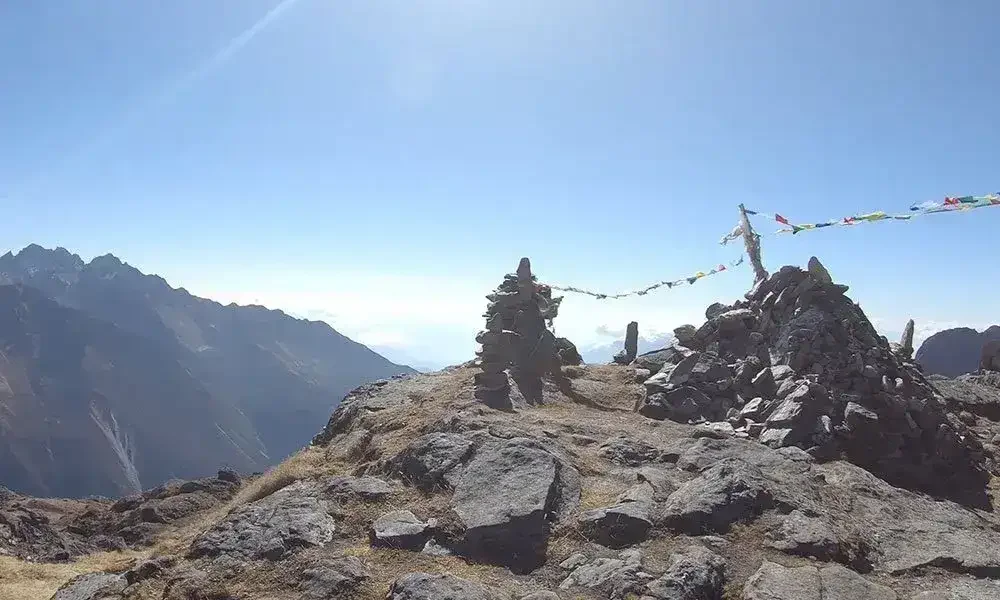
Cultural Experience and Local Communities
The Kanchenjunga region is home to Limbu, Rai, Sherpa, and Tibetan influenced communities. We encounter traditional stone houses, prayer flags, monasteries, and centuries old customs. Cultural interactions remain genuine, offering insight into mountain lifestyles that have changed little over time.

Essential Packing List for Kanchenjunga Trek
Due to its remoteness and altitude, proper gear is crucial. Essential items include:
- Sturdy trekking boots
- Insulated down jacket
- Thermal layers and waterproof clothing
- Sleeping bag suitable for extreme cold
- Trekking poles and personal medical kit
Quality equipment significantly enhances comfort and safety.
Safety and Trek Support
The isolation of the Kanchenjunga region makes professional support essential. Experienced guides and porters ensure navigation, safety, and local coordination. Emergency evacuation options are limited, making preparation and risk management vital.
Why Choose Kanchenjunga Over Other Treks
The Kanchenjunga Trek offers a rare chance to experience Nepal’s Himalayas without crowds. It represents adventure in its purest form, combining physical challenge, natural beauty, and cultural depth. This trek is best suited for trekkers seeking a meaningful and unforgettable Himalayan journey.
The Kanchenjunga Trek stands apart from Nepal’s more commercial trekking routes, offering an experience that feels raw, remote, and deeply authentic. While popular trails like Everest Base Camp and Annapurna attract thousands of trekkers each year, Kanchenjunga remains largely untouched, making it an ideal choice for those who want to explore the Himalayas in their most natural and peaceful form.
One of the biggest reasons to choose the Kanchenjunga Trek is the absence of crowds. The trail passes through remote villages, dense forests, and high alpine landscapes where you may walk for hours without meeting other trekkers. This sense of solitude allows for a deeper connection with nature, where the sound of rushing rivers, wind through prayer flags, and distant avalanches replace the noise of busy trekking routes.
The trek is also a true test of physical and mental endurance, making it perfect for adventurous trekkers looking for a challenge. Long walking days, high-altitude passes, and limited infrastructure demand resilience and determination. Unlike easier teahouse treks, Kanchenjunga pushes you beyond comfort, rewarding you with a strong sense of achievement and personal growth.
In terms of natural beauty, Kanchenjunga delivers diversity that few treks can match. From subtropical forests filled with rhododendrons and bamboo to glacial valleys and towering snow peaks, the scenery changes dramatically each day. The views of Mount Kanchenjunga (8,586 m), the world’s third-highest mountain, are breathtaking and far less obstructed than on busier routes.
Cultural richness is another defining feature of this trek. The region is home to Limbu, Rai, Sherpa, and Tibetan-influenced communities, where traditional lifestyles remain largely unchanged. Staying in local teahouses or camps, you witness authentic customs, ancient monasteries, prayer walls, and daily life that reflects centuries-old Himalayan traditions. This cultural immersion adds depth and meaning to the journey beyond just mountain views.
Additionally, the Kanchenjunga region is a protected conservation area, known for its rich biodiversity. Trekkers may encounter rare wildlife such as red pandas, blue sheep, Himalayan black bears, and a wide variety of bird species. This makes the trek especially appealing for nature lovers and photographers.
Ultimately, choosing the Kanchenjunga Trek means choosing quality over popularity. It is not about ticking off a famous route, but about embracing a journey that challenges you, humbles you, and leaves a lasting impression. For trekkers seeking solitude, adventure, cultural authenticity, and an unforgettable Himalayan experience, Kanchenjunga is truly unmatched.
Conclusion
The Kanchenjunga Trek is a demanding yet deeply rewarding adventure that takes us into one of Nepal’s most untouched regions. With dramatic mountain views, rich biodiversity, authentic culture, and true wilderness, it stands as one of the finest long distance treks in the Himalayas. For those seeking an exclusive trekking experience beyond commercial routes, Kanchenjunga delivers unparalleled satisfaction.