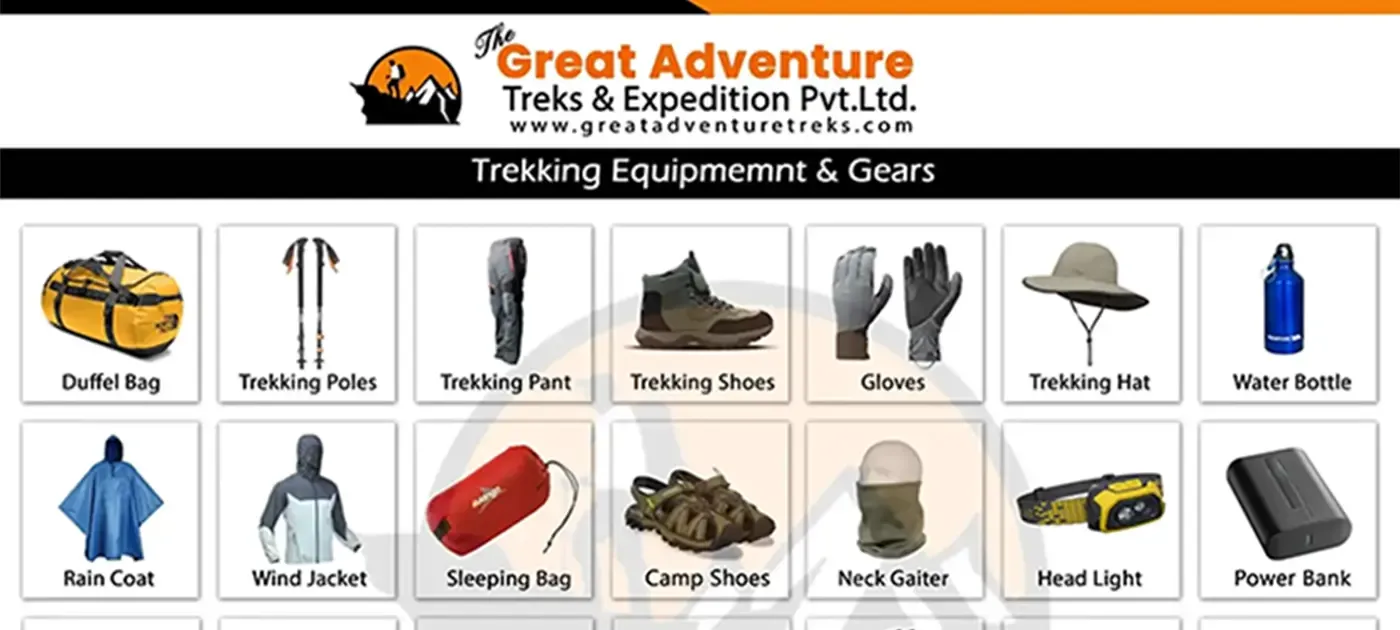

The Everest Base Camp Trek is a dream journey for adventurers around the world. Proper packing is the cornerstone of a successful trek, ensuring comfort, safety, and enjoyment as you make your way through the breathtaking Himalayan landscapes. This guide provides a comprehensive packing list to help you prepare for this iconic trek.
Why is Packing Right Important for the Everest Base Camp Trek?
The Everest region’s rugged trails, high altitudes, and fluctuating weather demand specific gear to tackle the challenges effectively. Packing the right equipment ensures:
- Comfort during long trekking hours.
- Safety in unpredictable weather conditions.
- A lighter load, making the trek more enjoyable.
Let’s dive into the essential items you need for a successful trek.
1. Clothing for Everest Base Camp Trek
Base Layers:
- Moisture-wicking thermal tops and bottoms (2-3 pairs).
Mid Layers:
- Fleece jacket or pullover (1-2).
Outer Layers:
- Down jacket (lightweight, packable).
- Waterproof and windproof jacket with a hood.
- Waterproof trekking pants.
Trekking Shirts and Pants:
- Lightweight, breathable long-sleeve shirts (3-4).
- Quick-dry trekking pants (2-3 pairs).
Accessories:
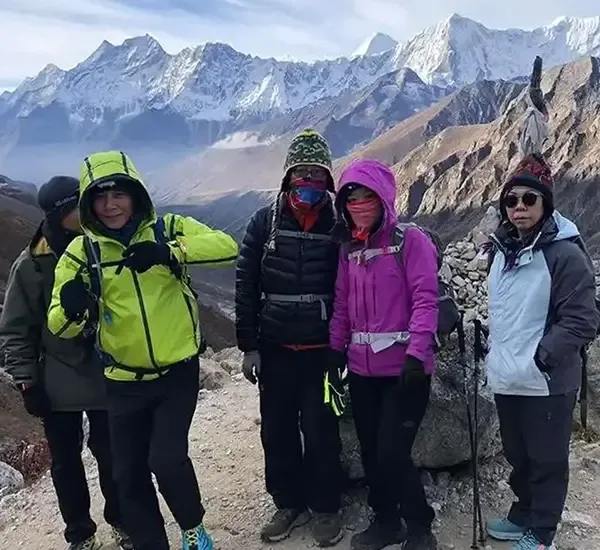
- Insulated gloves and liners.
- Woolen hat/beanie.
- Buff or neck gaiter for dust and cold.
- Sun hat or cap with a wide brim.
2. Footwear
Trekking Boots:
- Sturdy, waterproof boots with good ankle support.
Camp Shoes:
- Lightweight sandals or sneakers for evenings.
Socks:
- Woolen or thermal socks (4-5 pairs).
- Liner socks to prevent blisters.
3. Backpack and Storage
Daypack:
- 25-30L capacity for essentials like water, snacks, and a camera.
Duffel Bag:
- 60-80L capacity (carried by a porter).
Rain Cover:
- For your daypack and duffel bag.
4. Sleeping Gear
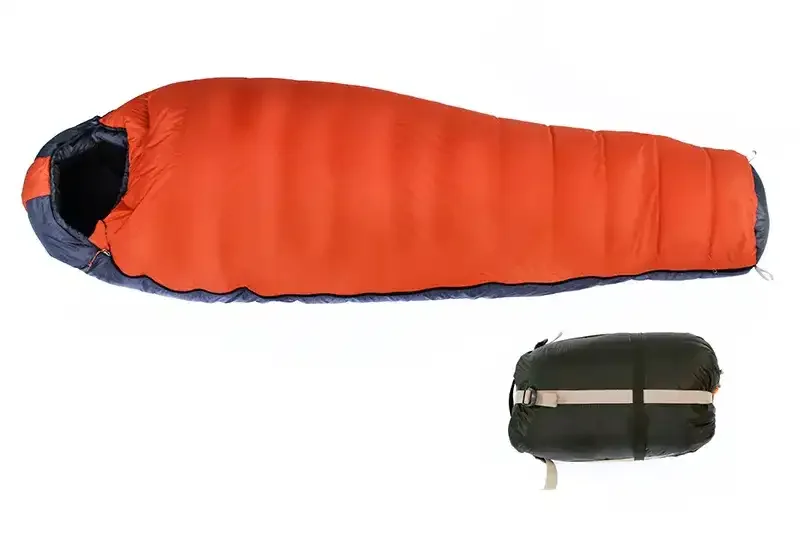
- Sleeping bag rated for -10°C to -15°C (provided by most agencies, but carrying your own is recommended).
- Sleeping bag liner for extra warmth and hygiene.
5. Hydration and Food
- Reusable water bottles (1-2L capacity).
- Water purification tablets or filtration systems.
- Electrolyte tablets or powders.
- Energy bars, nuts, or snacks for the trail.
6. Personal Items
- Passport and necessary permits (Sagarmatha National Park Permit, TIMS card).
- Cash (Nepalese rupees for tea houses and tips).
- Trekking map or guidebook.
7. Toiletries
- Toothbrush and toothpaste.
- Biodegradable soap and shampoo.
- Quick-dry towel.
- Wet wipes and tissues.
- Sunscreen (SPF 50+) and lip balm with UV protection.
- Feminine hygiene products.
8. Medical Kit
- Altitude sickness medication (Diamox or equivalent).
- Pain relievers (ibuprofen or paracetamol).
- Blister plasters (e.g., Compeed).
- Antiseptic cream.
- Adhesive bandages and gauze.
- Personal medications.
9. Electronics
- Headlamp with extra batteries.
- Power bank (10,000mAh or higher).
- Plug adapter for Nepal (Type C, D, or M).
- Camera with extra batteries and memory cards.
10. Trekking Accessories
- Trekking poles (adjustable and lightweight).
- Sunglasses (UV protection, polarized).
- Gaiters (optional, for snow or mud).
- Hand and foot warmers (optional).
11. Miscellaneous Items
- Notebook and pen for journaling.
- Lightweight book or Kindle for evenings.
- Compact binoculars (optional).
- Prayer flags (for the base camp ritual, optional).
Packing Tips for Everest Base Camp Trek :
- Pack Light: Porters have a weight limit of 10-15kg. Prioritize essentials and avoid overpacking.
- Waterproof Your Gear: Use dry bags or plastic liners to protect your items from moisture.
- Break in Your Boots: Ensure your trekking boots are well broken in to prevent blisters.
- Layer Up: Dressing in layers allows you to adapt to varying weather conditions.