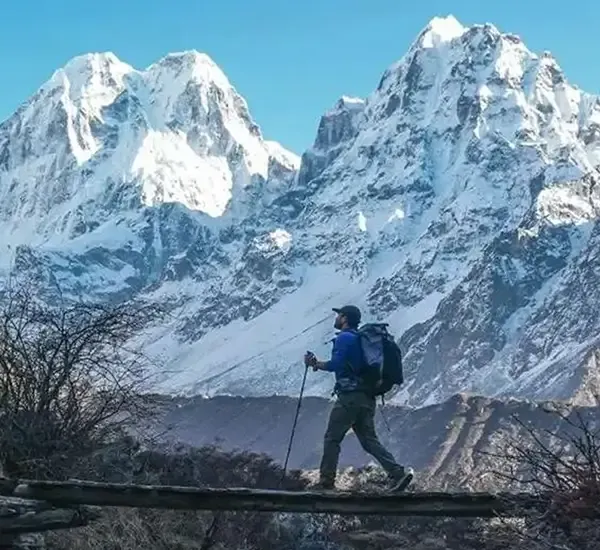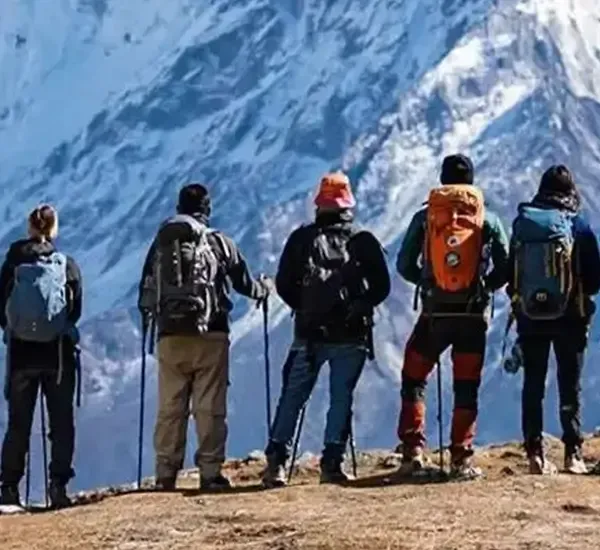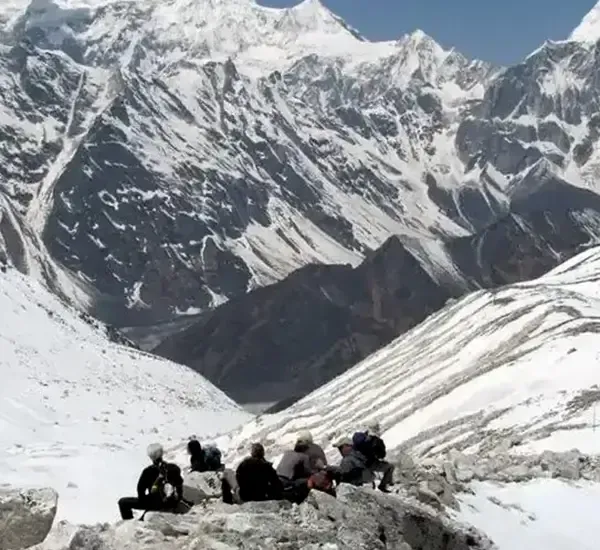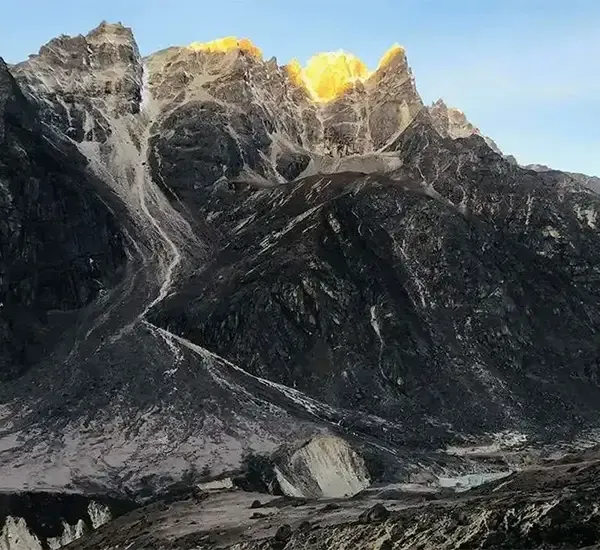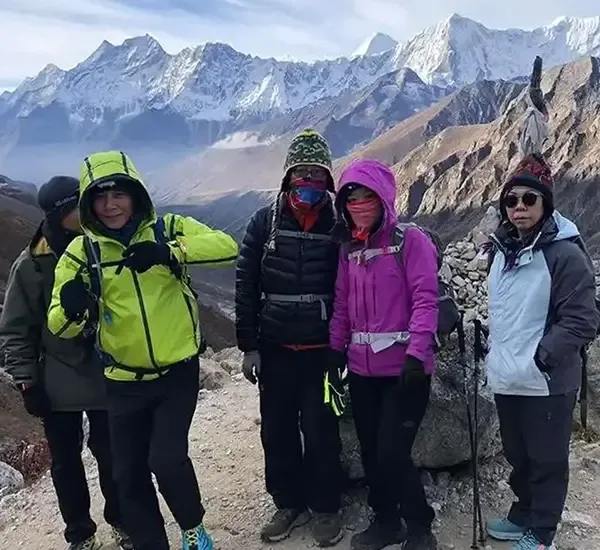
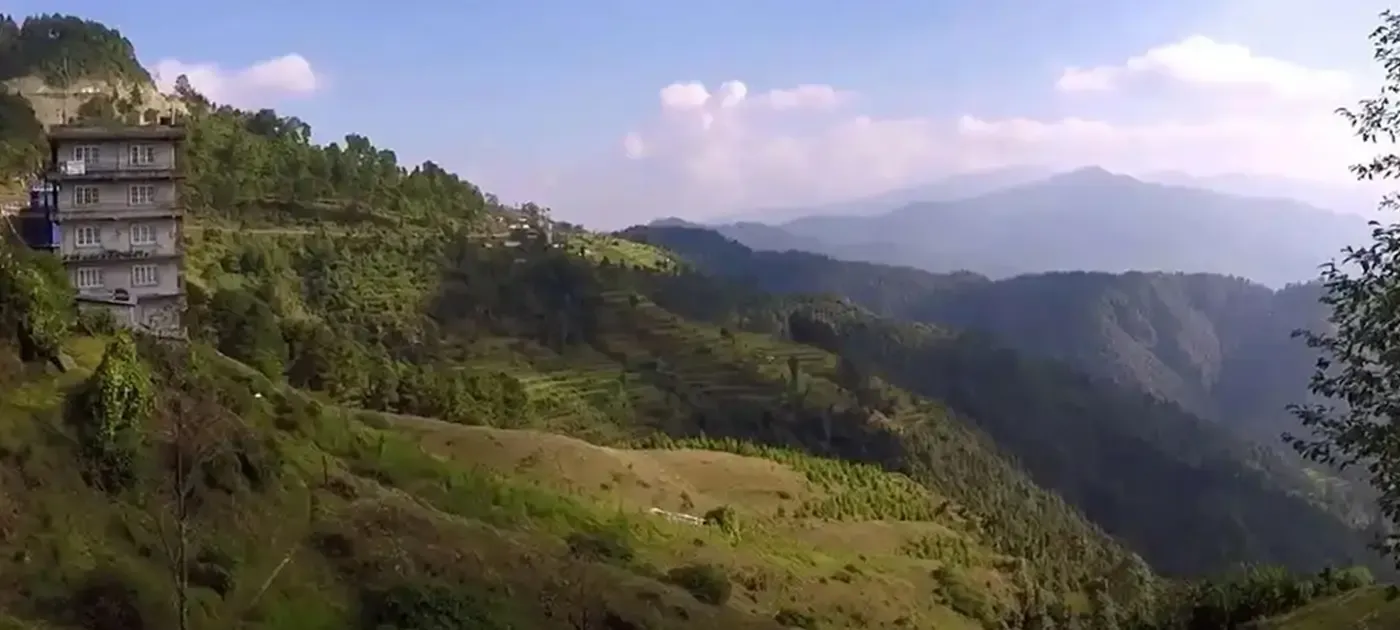

Indigenous People Trail is a newly opened trekking route in Nepal. It is a short and easy trek that skips the crowds of other mainstream trekking destinations and offers you a solitary experience of venturing into the off the beaten routes.
The cultural trek of the Indigenous People Trail takes place in Ramechhap District. It is only about 130 kilometers east of the capital city of Nepal, Kathmandu. This trek exposes you to the ethnic and cultural diversity of the mid hill regions in Nepal while offering captivating views of the natural landscape and Himalayan panorama.
The Nepal Indigenous Trek encounters you with the cultural villages of native communities such as Sherpa, Newar, Thami, Tamang, Yolmo and Majhis. The local villagers, in their unique cultural attires, will entertain you with their folk music, songs and dances. You will also get opportunities to be a part of the local celebrations in festivals and ceremonies. Like this, you will experience a deep immersion into the typical countryside life and traditions.
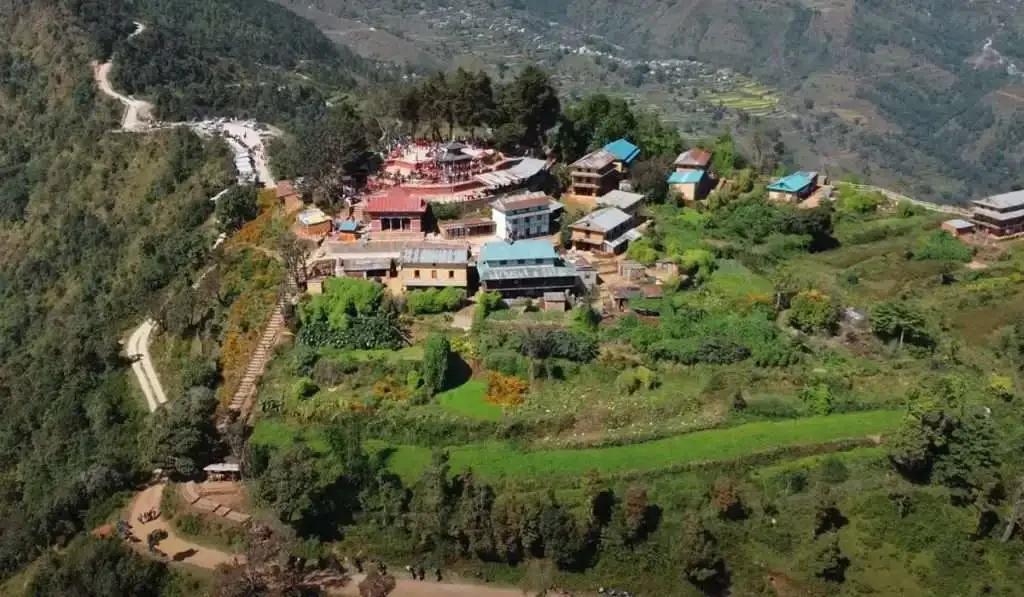
Indigenous Peoples Trail Nepal is a harmonious mix of unspoiled nature and unique local cultures. The stunning panorama of Annapurna, Manaslu , Ganesh, Dorje Lakpa, Numburchuli, Langtang, Jugal, Everest , Kanchenjunga etc makes your journey truly rewarding. On the other hand the possible encounters with varieties of wildlife, such as Pheasant, Deer, Langur Monkey, etc will fascinate your trek. Furthermore, the trail is also enriched by the presence of Hinduism and Buddhism, which is evident in the different religious landmarks that dot the landscape.
Major Attractions of Indigenous People Trail in Nepal
- Picturesque drive through lush countryside landscapes at the start and end of the journey.
- Traversing off the beaten trails to explore the secluded and rural villages of natives, rich in multiculturalism.
- Learning about the diverse cultures and traditions as well as the resilient way of living of the indigenous communities of Nepal.
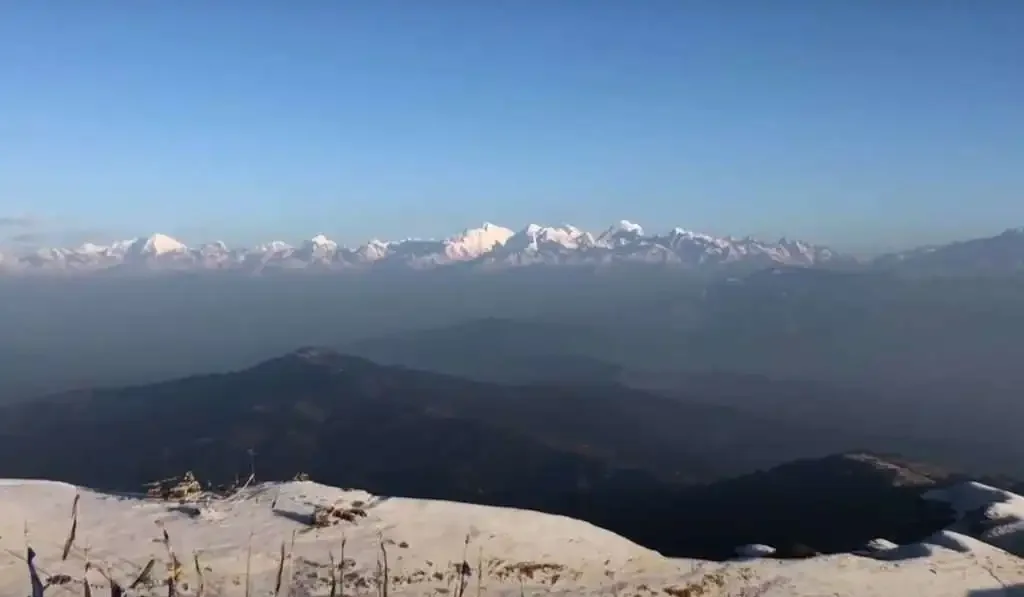
- Stunning views of the Gauri Shankar Himal, Annapurna Range, Langtang Range, Manaslu Range and various other mountains.
- View of mesmerizing sunrise and sunset over the majestic Himalayas.
- Experiencing the genuine warmth of the hospitable local tribes.
- Chance of witnessing vibrant cultural programs of Thami and Sherpa people.
- Passing through the colorful rhododendron forest and terraced farmlands.
- Immersing in the delectable flavor of the hygienic traditional cuisines in different homestays in local villages along the way.
- Interacting with the friendly villagers in their traditional attires.
- Insights into the traditional fishing styles of the Majhi communities (riverine people) in the Sunkoshi River.
- Easygoing journey through beginner friendly trails.
Why Us for the Journey of Indigenous Peoples Trail Nepal?
We, Great Adventure Treks, are a team of expert professionals. We hire experienced and government licensed guides for every adventure in different corners of the country. These guides will be fluent in English speaking and facilitate sound interaction with the villagers along the way. Our knowledgeable guides and porters are familiar with the trekking regions, and they will be there anytime to help you raise your level of comfort and safety.
We have extensive experience leading treks along the Indigenous Peoples Trail. We offer organized services to our clients, ensuring that they will get everything they need throughout the journey. So, you can rest assured by leaving us to handle all the logistics and make your trekking experience unforgettable.
We also specialize in designing personalized itineraries that will address your needs, interests, preferences, fitness and experience level and available travel time. You are sure to enjoy a memorable and rewarding journey through our customized itineraries. Furthermore, our competitive rates make it easy to have an unparalleled adventure experience without straining your budget.
 Indigenous people trail
Indigenous People Trail Trek - Detailed Itinerary
Day 1: Drive From Kathmandu to Mude and Trek to Deurali
Kathmandu Elevation : 1,400 meters/4,594 feet
Mude Elevation : 2,580 meters/8,464 feet
Deurali Elevation : 2,298 meters/7,539 feet
Our exhilarating journey of Indigenous Peoples Trail Nepal begins from Kathmandu Valley. We will take a picturesque ride towards Mude, which is the starting point of our trek. After breakfast in the morning, we will take a vehicle and head towards Mude through the countryside areas.
Our drive follows the Arniko Highway toward the east. En route, we will stop at Dolalghat for a short break to taste the delectable river fish. Continuing further on the winding roads, we will pass places such as Khadichaur, Melamchi, etc. Around 5 hours of drive takes us to the small town of Mude on the bank of the Sunkoshi River.
Mude is only our halfway journey. After a short refreshing break in this village, we will step on the trails to trek to Deurali. Around 3 hours of walking through the straightforward hilly trials will finally take us to our destination.
Day 2: Trek From Deurali to Kholakharka
Kholakharka Elevation : 2,448 meters/8,031 feet
Today, we will head from Deurali to Kholakharka. The trails are straightforward , winding through the forests, farmlands and alongside the green hills. Following the routes leading us to Kholakharka, we will reach the Thulo Sailung and ascend to this hill station to enjoy the panorama of gratifying eastern Himalayas.
The views of the mighty Annapurna, Ganesh Himal, Langtang, Everest, Kanchenjunga and many more adjoining mountains are spellbinding. Likewise, equally captivating is the Sunkoshi River, winding through the lowlands of Terai in the south and creating intricate patterns across the landscape. After taking in these spectacular sights, we will continue our trek through varied terrains, eventually arriving at our destination for an overnight stay.
Kholakharka is a scenic village of the Sherpa people. We spent almost 6 hours reaching this village from Deurali.
Day 3: Trek From Kholakharka to Surkey
Surkey Elevation : 1,842 meters/6,043 feet
We will come out of Kholakharka after a satisfying breakfast at its homestay. Following the descending trails, we will pass through Sailung forest as we head towards Surkey village. On the way, we will walk past several traditional hamlets of Tamang and Sherpa.
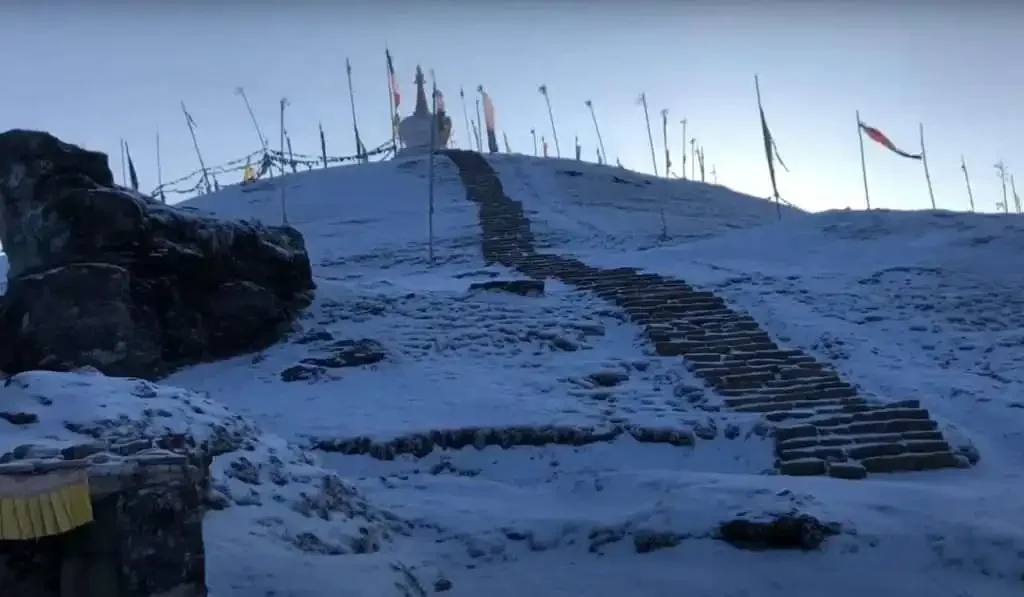
These villages are adorned with religious landmarks like Gompas, Chortens and Shrines. Additionally, Mani Walls and Prayer Wheels are lined alongside the routes. Rajveer Monastery is one of the notable landmarks en route that you can visit to receive blessings from Lamas and Monks and take in its spiritual ambiance.
Continuing further we will pass by a captivating Thinghare waterfall. Finally the charming settlement of Surkey comes into view, which is dotted with beautiful terraced farmlands. Around 5 hours of trek this day is a rewarding adventure through diverse hilly landscapes.
Thami tribes in the village will entertain you with their cultural songs and dances. You can also sample local Raksi, which is a traditional alcoholic drink. We will stay overnight at this quaint settlement.
Day 4: Sukrey to Doramba
Doramba Elevation : 2,054 meters/6,739 feet
We will head from Sukrey to Doramba today. Our journey is initially led through the enchanting forested hillsides. Slowly, the trek progresses across the rivers and several small villages towards the valley. Before entering the Doramba Valley, we will enjoy the Thami cultural program at one of the hamlets en route, which is Tinghare.
Hiking at a slow and relaxed pace, we will move further. The pleasant walks over the distinct and well marked trekking trails gradually lead us to the terraced fields of Doramba. After around 4 hours of dedicated walks, we will finally reach the vibrant Doramba village, which has a huge Tamang population. A significant number of Thangka painters in the Kathmandu Valley come from this remote village.
Before residing at the lively Tamang homestay, you can enjoy a wonderful time soaking in the charming cultural program of the local Tamang.
Day 5: Trek From Doramba to Khandadevi
Khandadevi Elevation : 1,986 meters/6,516 feet
We are on the fifth day of our Indigenous People Trail journey. Today, we will leave Doramba behind and head for Khandadevi. After a delicious morning breakfast at the guesthouse, we will prepare to step on the trail.
Walking through the lush hilly routes , we will make a short climb to Agleshwari Danda en route. It is a sacred Hindu shrine and a vantage point to watch over the awe inspiring panorama of towering peaks.
We will continue to move on and finally arrive at our destination for the day, Kandanadvi. Then, our night is well spent soaking into the local hospitality, mouthwatering meals and comfortable sleep.
 Indigenous people trail nepal
Day 6: Terk From Khandadevi to Dongme
Dongme Elevation : 1,982 meters/6,503 feet
After waking up in a guesthouse in Khandadevi we will enjoy a hearty breakfast and soon set off on the trail towards Dongme. As we walk on being bathed in the gentle morning sunrise, we navigate the scenic trails of hilly pine forests. The soothing chirp of songbirds, fascinating encounters with animals and the intermittent views of the hills and faraway mountains between the tree branches make your hike worthwhile.
As we gradually approach Dongme, the giant rock carved into the image of Lord Shiva welcomes us into the village. Around 5 hours of walking from Khandadevi finally takes us to Dongme village of ancient Yolmo communities.
After reaching the hamlet, you can spend some time exploring the surrounding areas. The village is home to several Buddhist Chortens , offering a serene spiritual retreat. You can also immerse yourself in the mesmerizing beauty of the sunset as it dips below the Himalayan ranges. Finally, return to the guesthouse to soak in the rich Yolmo culture.
Day 7: Trek From Dongme to Lubughat
Lubughat Elevation : 818 meters/2,684 feet
After waking up with the captivating views of the sunrise over white hued Himalayas, we will be ready to head towards our next destination, Lubughat. We will begin by walking alongside the banks of the shimmering Sunkoshi River.
Following the hillside trails , we will make several ascends and descends. We will pass through alluring landscapes marked by tree hills, rivers and farmlands. After walking for around 4 hours we will finally reach the Majhi village of Lubughat.
Lubughat is inhabited by Majhi (fisherman) communities. You can gain insights into the typical lifestyles and unique fishing traditions of the people in the village.
Day 8: Trek From Lubughat to Nepalthok and Drive to Dhulikhel(1650)
Dhulikhel Elevation : 1,650 meters/5,413 feet
From Lubughat, we will continue on our trek towards Nepalthok. Using Majhi boats, we will cross spanning rivers. The exciting and fearful walks through wide and long swaying suspension bridges make our way towards Nepalthok. Passing through various quaint hamlets of diverse ethnic communities, we will get near to our first half destination.
Once we reach Nepalthok, we will hop on a vehicle to drive to Dhulikhel. The ride from Nepalthok to Dhulikhel takes only about 2 hours. On the way, you will pass through diverse scenic landscapes marked by several small towns and villages, terraced farmlands, rivers, hills and waterfalls.
After finally reaching the vibrant town of Dhulikhel we will settle in at one of the finest hotels or guesthouses for the night. But before that, you can take a walk around to explore its distinctive Newari culture and craftsmanship and enjoy the views of the Himalayas.
Day 9: Drive From Dhulikhel to Kathmandu
Today is the final day of our 9 day long Indigenous Peoples Trail Nepal Itinerary. We will return to the capital city with a scenic drive from Dhulikhel. It is a short ride of about only 1.5 to 2 hours , depending upon the traffic and road conditions.
We will head west from Dhulikhel across picturesque hilly landscapes. Passing through notable places like Banepa, Sanga and Bhaktapur we will make our way toward Kathmandu. After driving for around 30 to 35 kilometers through the Araniko Highway we will finally drop you off at the destination.
After you arrive in Kathmandu you can either relax at the hotel or explore the nearby areas of importance in the Valley. You can also enjoy a nonchalant evening walk around the busy streets and markets of the city. Take in the vibrant atmosphere and do not forget to sample the typical Nepali street foods from the roadside vendors for an authentic flavor. You can also pay a visit to one of the cultural sites in the city to shop for souvenirs as a memoir of your journey in Nepal. You can also buy gifts for your beloved family members and friends.
Recommended Packing Lists for Indigenous People Trail in Nepal
The Indigenous People Trail takes place in the mid hilly region of Nepal. The temperature here is not as hot as in the Terai and not as cold as in the high Himalayan areas. You can pack the following items that will fit the average conditions of the trekking destination.
Trekking gear
- Backpack
- Reliable trekking poles
- Sleeping bag
- Headlamp or flashlight with extra batteries
- UV protected sunglasses
Clothes
- Sun hat
- Beanie
- Scarf
- Liner and insulated gloves
- Moisture wicking shorts and bottoms
- Quick drying shirts and pants
- Lightweight T shirts
- Fleece jacket
- Sweater
- Waterproof and windproof outer layers
- Soft cotton underwears
Footwear
- Liner socksSome pair of thick socks (for potential morning and night chill)Trekking boots: Sturdy, worn in, well fitted and waterproofLight camp shoesFlip flopsGaiters
- Liner socks
- Some pair of thick socks (for potential morning and night chill)
- Trekking boots: Sturdy, worn in, well fitted and waterproof
- Light camp shoes
- Flip flops
- Gaiters
Travel Accessories
- Travel documents like a passport, visa, permits and travel insurance
- Personal care and toiletries
- First Aid Kit with basic medicines
- Cash (Nepali rupees)
Miscellaneous
- Refillable water bottles
- Water purification drops or tablets
- Camera and smartphone
- Portable charger
- Power bank
- Maps, guidebooks and other navigation tools
- High energy snacks
- Notebook and pen
- Entertainment sets like play cards, speakers, etc
- Earphones/headphones
- Insect repellent
- High SPF sunscreen
- Dry bags (to prevent your accessories from being wet)
Best Time to Embark on Indigenous People Trail
The best time to go for the Indigenous People Trail in Nepal is during the ideal trekking seasons of spring and autumn. The pre monsoon spring months of March, April and May and the post monsoon autumn from September to November provide excellent weather conditions for enriching trekking and deep cultural experiences.
You can expect a stable climate in spring and autumn. With lower humidity levels and reduced precipitation the air remains dry and the likelihood of rain disrupting your plans is minimal. As the rainfall is scarce, trails are generally free from mud and slippery conditions allowing for a pleasant trekking experience through the remote Indigenous villages. In overall, you can enjoy a comfortable trek over the unwet, clean and distinct trekking routes.
Besides, the before monsoon and after monsoon temperatures are mild. You can expect a bright and sunny day with occasional cool breezes soothing your journey while enjoying a comfortable and pleasant environment for exploring the Indigenous People Trail. The clean atmosphere, fresh air and clear skies at this time will enrich your experience of exploring the natural beauty and immersing in the cultural richness of the trekking region.
What Can You Learn From the Indigenous People Trek?
- The importance of collaboration, mutual support, strong community bonds, shared duties and collective welfare.
- The importance of preserving cultural heritage is depicted through the richness of native communities in traditions, costumes and architectural heritage.
- Ability to pass down knowledge and values across generations through storytelling.
- A profound spiritual connection to find deeper meanings in our lives while enhancing mindfulness and appreciation for the world where we live.
- Indigenous artistry showcases the creativity and beauty of handmade craftsmanship. It highlights the importance of traditional skills and the joy found in the creation of oneself.