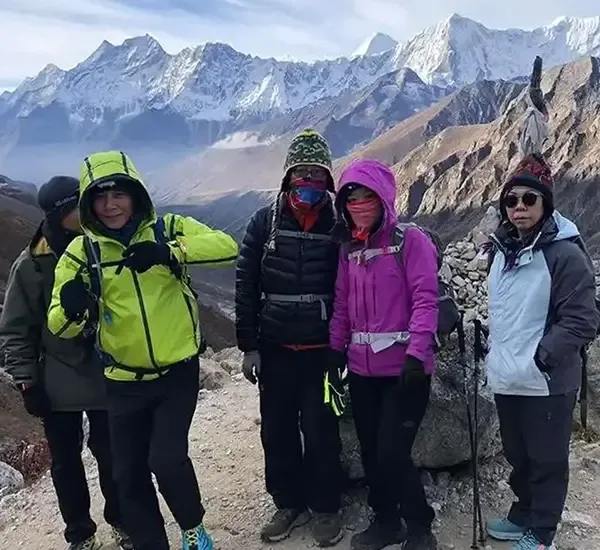


The Mount Kailash Manasarovar Tour is a deeply spiritual journey and a breathtaking adventure that draws countless pilgrims and travelers each year. Known for its astounding natural beauty and rich spiritual significance, this tour offers much to learn and experience. This comprehensive guide covers Mount Kailash Manasarovar Tour Facts 2025.
Understanding Mount Kailash and Lake Manasarovar
Mount Kailash: A Sacred Mountain
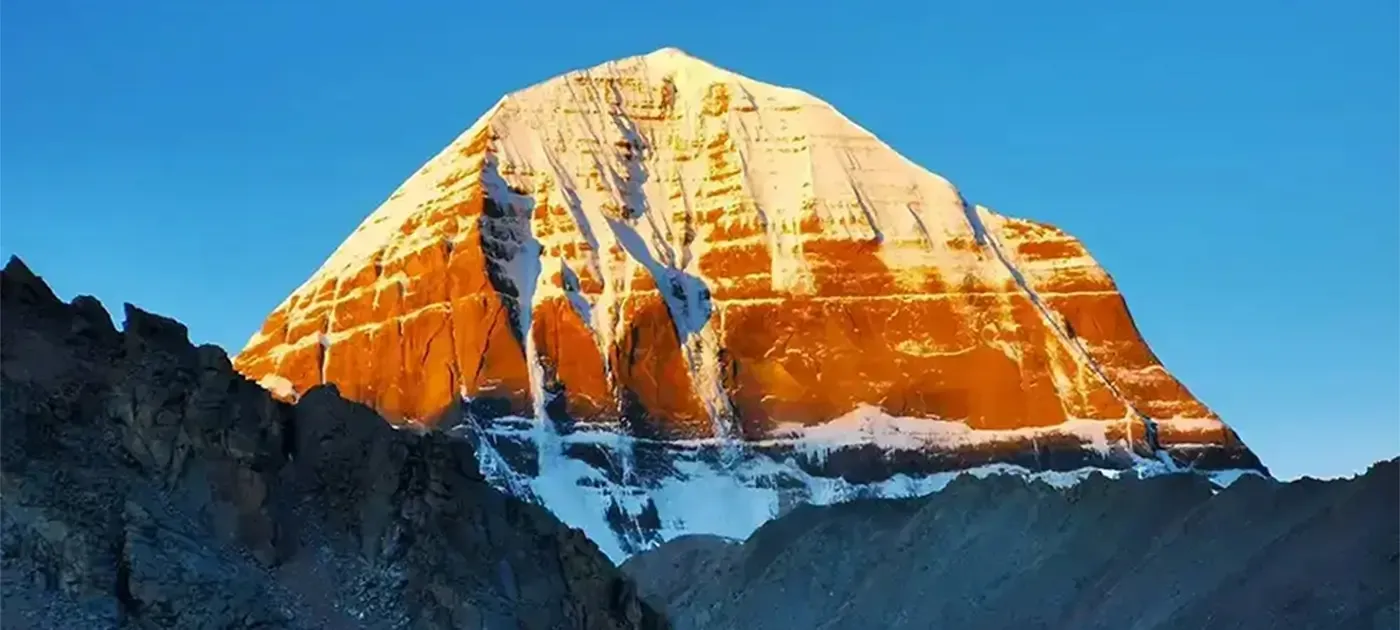
Mount Kailash is revered in multiple religions, including Hinduism, Buddhism, Jainism, and Bön. Located in the Tibetan Autonomous Region of China, this mountain reaches an elevation of 6,638 meters (21,778 feet) , making it one of the tallest peaks in the Himalayas. Its unique pyramid-like shape has fascinated and inspired people for centuries.
For Hindus, it is considered the dwelling of Lord Shiva, and many believe that circumambulating the mountain can wash away sins and grant liberation. In Buddhism, Mount Kailash symbolizes the axis of the universe, representing spiritual growth and enlightenment. Jains associate the mountain with the first Tirthankara, Rishabha, making it an essential pilgrimage site, while Bön posits that Mount Kailash serves as a connector between earthly and spiritual realms.
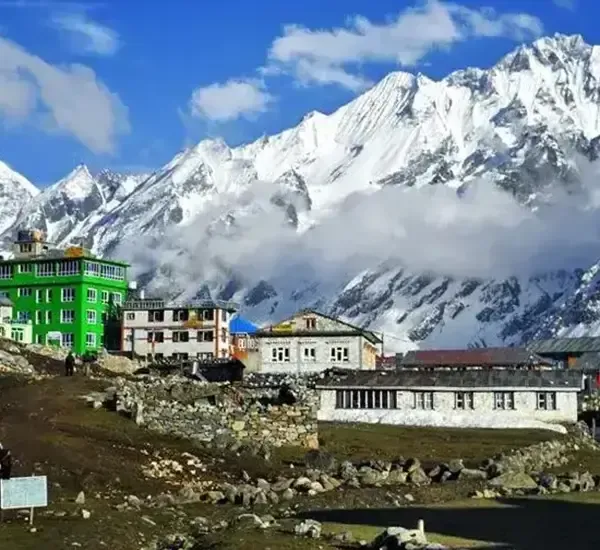
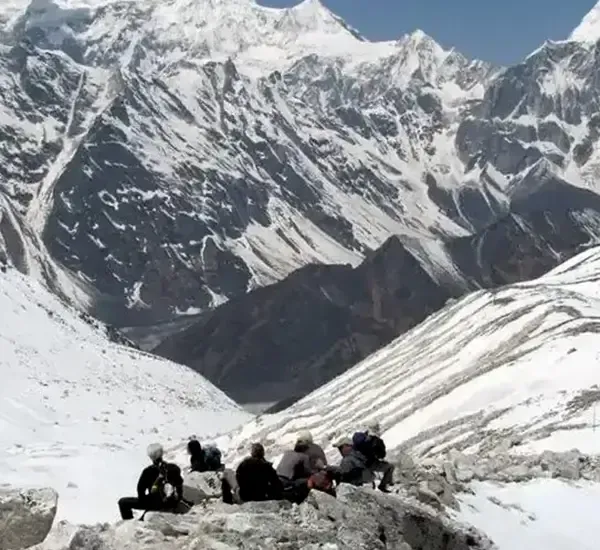
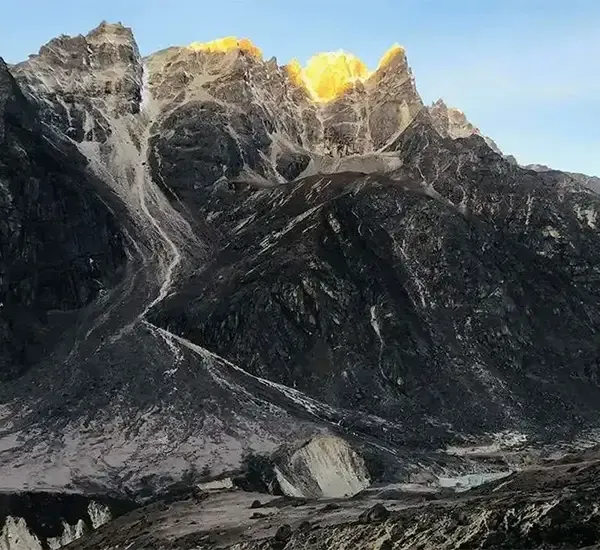
From its snow-capped peaks to the surrounding stunning landscapes, Mount Kailash evokes a sense of peace and reverence that travelers can feel upon their arrival. This mountain holds ancient secrets and embodies the spiritual aspirations of millions.
Lake Manasarovar: The Holy Lake
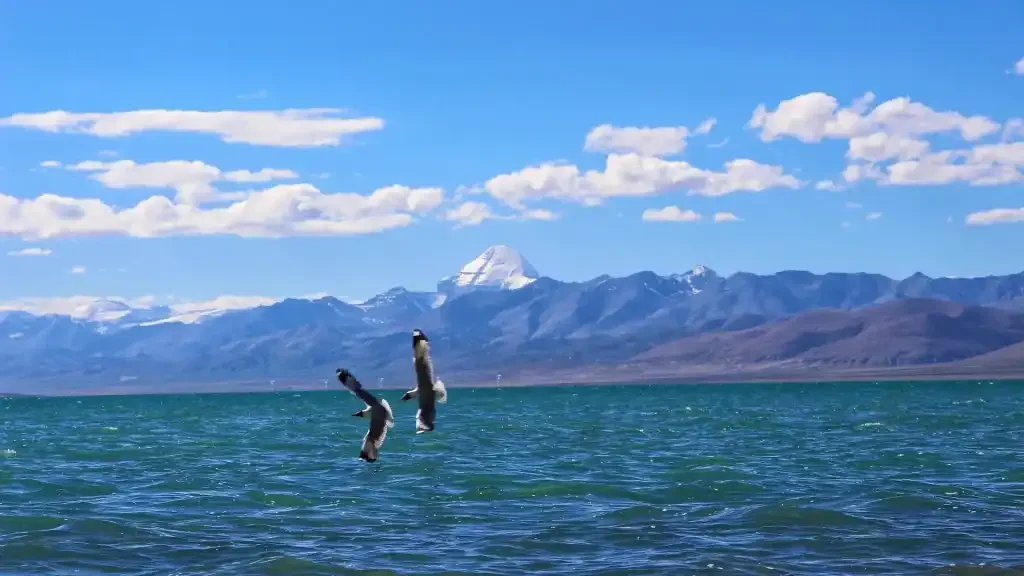
Lake Manasarovar is not only the highest freshwater lake in the world, sitting at an elevation of 4,590 meters (15,060 feet) , but it is also considered one of the holiest water bodies. According to religious texts, it was created from the mind of Lord Brahma and symbolizes spiritual consciousness and purity. Pilgrims believe that a dip in the lake’s waters can purify sins and lead to salvation.
The size of Lake Manasarovar is approximately 88 square kilometers (34 square miles) , offering breathtaking views reflecting the surrounding mountains and underlying spiritual aura. The serene and tranquil environment around the lake contributes to its mystical charm. Many visitors meditate or conduct rituals along its shores as they connect with their spiritual paths.
In addition to its spiritual significance, Lake Manasarovar is an ecological treasure. It provides a rich habitat for various species of flora and fauna, including migratory birds. The lake and its surrounding environment are crucial for climate regulation in the region, contributing to local biodiversity.
Available Options for Kailash Tour: Overland and Flight Tours
Overland Tours to Mount Kailash
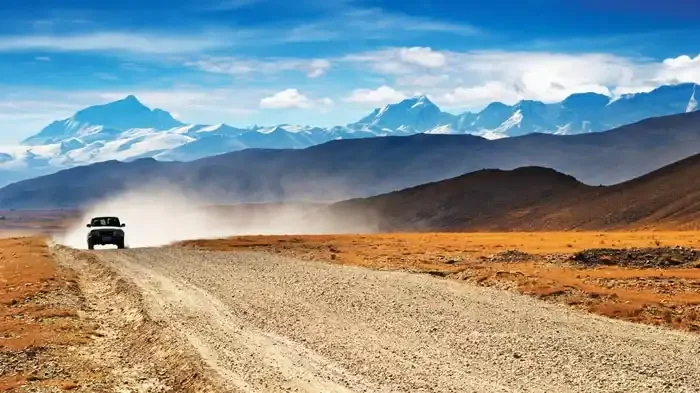
Overland Tours involve traveling long distances via road, making this an excellent choice for those who want to experience the landscapes and culture along the way. These tours typically take 10 to 15 days , including acclimatization days, offering a more immersive experience.
Mount Kailash Overland Tour Cost
Traveling by land generally costs between $2,500 and $5,000 per person, depending on the inclusions such as accommodations, meals, and transportation. This type of tour includes stops at cultural and historical sites, enriching the experience.
Mount Kailash Overland Tour Duration and Difficulty
The duration ranges from 10 to 15 days , with daily travel involving 5 to 9 hours on the road. Travelers should note that the tour can be physically demanding, particularly for those not accustomed to high altitudes, as elevation changes can lead to altitude sickness.
Transportation for Mount Kailash Tour
Comfortable 4WD vehicles or minibuses are used to navigate the rugged terrain of Tibet. Regular stops during the journey will help alleviate discomfort and provide opportunities for sightseeing and cultural encounters.
Flight Tours to Mount Kailash

Flight Tours cater to tourists who prefer the convenience of air travel. This option offers the chance to cover great distances quickly while still enjoying the offerings of the region.
Mount Kailash Tour by flight Cost
Flight Tours generally cost between $3,000 and $5,500 per person. The cost often includes domestic flights, accommodations, and ground transportation.
Mount Kailash Tour by Flight: Duration and Difficulty
Typically lasting 8 to 12 days , these tours allow participants to traverse significant distances in a shorter time frame. Even though flight tours are easier than overland options, altitude challenges still exist, requiring travelers to acclimatize adequately.
Transportation
Tourists will enjoy air travel for longer legs of the journey, with domestic flights connecting major cities with ground transportation to and from attractions.
Acclimatization: A Key to Enjoying the Journey
Importance of Acclimatization
Acclimatization is vital for a safe and enjoyable experience during the Mount Kailash Manasarovar Tour. The high elevations can lead to altitude sickness, which affects many travelers. Symptoms may include headaches, nausea, and dizziness, making it critical to allow your body time to adjust.
Strategies for Effective Acclimatization
- Plan for Rest Days : Allow for extra days in places like Lhasa and Shigatse for your body to adapt to the high altitude before heading to more elevated regions.
- Stay Hydrated : Drink plenty of water to combat dehydration, which can worsen altitude sickness.
- Listen to Your Body : If you experience significant discomfort or worsening symptoms, seek medical attention promptly.
- Gradual Ascent : Ascend slowly to higher altitudes, taking time to acclimatize at each level.
Practical Acclimatization Tips
To enhance your acclimatization process, consider engaging in gentle activities such as walking and stretching. Avoid strenuous exercise, especially during the first few days at high elevation. Also, check for any medications that can help you manage symptoms related to altitude sickness.
Transportation: Getting to and Around Mount Kailash
Transportation Methods
Getting to Mount Kailash and Lake Manasarovar involves various transportation methods, mainly focused on road and air travel. Depending on the tour type chosen, the experience may differ significantly.
Overland Tours
- 4WD Vehicles or Minibuses : Road trips use robust vehicles designed for challenging terrains. These vehicles are equipped with comfortable seating, ensuring the journey is enjoyable.
- Local Guides : Professional guides often accompany overland tours, providing insights into local culture, history, and geography.
Flight Tours
- Domestic Flights : Departing from major city hubs to reach key destinations like Lhasa and beyond, often in just a few hours.
- Ground Transportation : Local vehicles are used to help traverse the remaining distances from airports to tourist sites.
Safety Measures
Regardless of travel method, ensure that vehicles are regularly maintained and safety measures adhered to. Check the reputation of airlines and ground transport services for a seamless travel experience.
Food and Beverage During the Tour

Typical Cuisine in Tibet
Food and beverage options in Tibet primarily consist of local, nutritious dishes. A traditional Tibetan meal may consist of:
- Momos : Tibetan dumplings filled with meat or vegetables.
- Thukpa : A hearty noodle soup commonly eaten for breakfast.
- Tibet Butter Tea : Made from butter, tea leaves, and salt, this unique drink provides energy and hydration at high altitudes.
While traveling, it is often possible to find both vegetarian and non-vegetarian options to suit individual dietary needs.
Hydration
Staying hydrated is particularly important at high altitudes. Drink plenty of water and avoid excessive caffeine or alcohol consumption. Carry water purification tablets or a good-quality water filter bottle to ensure safe drinking water throughout your journey.
Meal Arrangements
Most tour packages will provide meals, but it’s advisable to carry snacks like nuts, energy bars, and dried fruits to keep your energy levels up during long travel days. Be sure to communicate dietary restrictions in advance if you are part of a group tour.
Important Heights of Major Locations
When talking about the Mount Kailash Manasarovar Tour facts , understanding the elevation of key locations is essential for acclimatization and planning. Here are the heights of significant places:
| Location | Height (meters) | Height (feet) |
| Mount Kailash | 6,638 m | 21,778 ft |
| Lake Manasarovar | 4,590 m | 15,060 ft |
| Lhasa | 3,650 m | 11,975 ft |
| Shigatse | 3,800 m | 12,467 ft |
| Gyangze | 4,020 m | 13,194 ft |
| Nairobi Pass | 5,200 m | 17,060 ft |
Knowing the heights of these locations helps visitors prepare adequately for altitude adjustments as they progress through the tour.
Best Seasons to Visit Mount Kailash and Manasarovar
Optimal Months
The best times to visit Mount Kailash and Lake Manasarovar are generally between May and September. Each month offers unique advantages and potential challenges.
- May : This month marks the beginning of the trekking season, with clear skies and mild temperatures that make for great photography.
- June : The weather remains mild, but occasionally, the area may experience scattered rainfall, which helps keep the landscapes lush.
- July-August : Monsoon season, where rain can disrupt travel plans and roads. However, travelers can still enjoy less crowded sites.
- September : The monsoon subsides, making it one of the best times to visit again. Crowds are minimized, and the landscapes are stunning.
Weather Patterns
Travelers must be prepared for varying weather conditions, including cold winds, rain, or snow, particularly at higher elevations. The temperature can range from 10°C to -10°C (50°F to 14°F) , depending on the time of year and altitude. Understanding seasonal variations can significantly enhance the overall travel experience.
Major Attractions Along the Route
Key Attractions
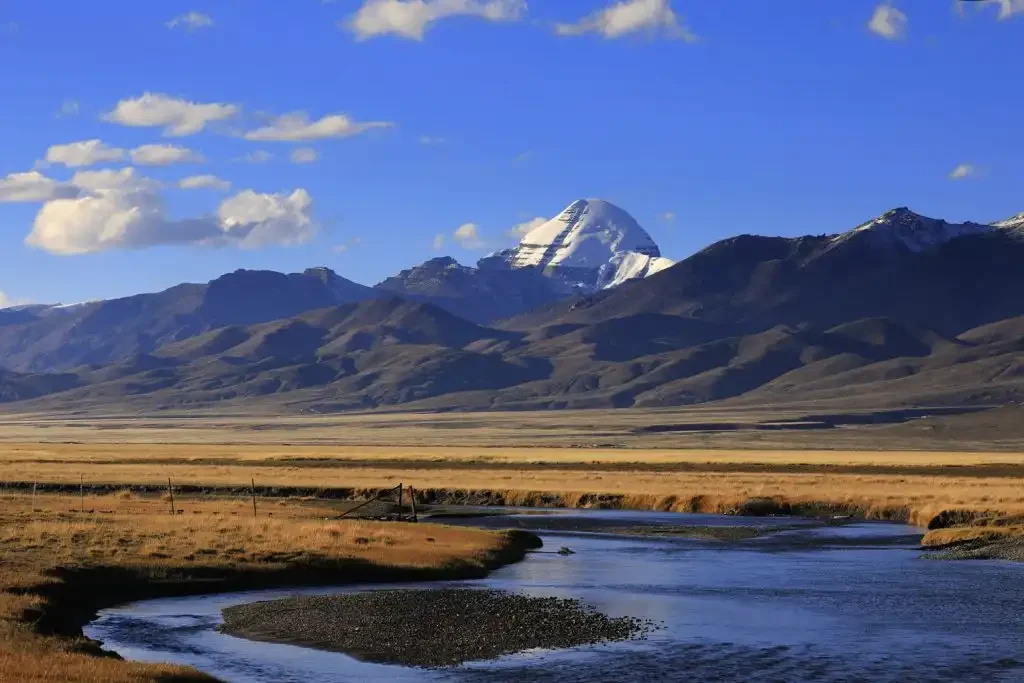
The Mount Kailash Manasarovar Tour showcases incredible sights, each with its spiritual and historical value.
- Mount Kailash : The most revered site, with the iconic Kora pilgrimage attracting thousands of devoted travelers each year.
- Lake Manasarovar : Known for its purity and beauty, it serves as a significant spot for rituals and spiritual cleansing.
- Yam Dwar : Located at the base of the mountain, this "Gateway to Yama" is where pilgrims often perform prayers before beginning their Kora.
- Saga Dawa Festival : Celebrated annually around June, this festival attracts thousands of pilgrims and features vibrant cultural activities and rituals.
- Shiv Shankar Temple : A sacred temple near Mount Kailash, where devoted prayers and rituals are held.
Cultural Immersion
Traveling to Mount Kailash offers opportunities to engage with Tibetan culture. Visitors can explore ancient monasteries, interact with locals, and witness unique spiritual practices. Authentic dining experiences paired with warm Tibetan hospitality make the journey unforgettable.
Preparations: Essential Steps for Travelers
Health and Safety Preparations
Before embarking on the adventure, it’s crucial to prepare physically and mentally.
- Consult a Doctor : Discuss travel plans with a healthcare provider, focusing on potential altitude sickness and obtaining necessary vaccinations.
- Travel Insurance : Purchase comprehensive travel insurance that covers medical emergencies, especially at high altitudes.
- Medications : Pack altitude sickness medications and personal prescriptions.
Spiritual and Cultural Preparation
- Research : Gain understanding of the cultural and spiritual significance of Mount Kailash and its surroundings. Familiarity with Buddhist and Hindu customs enhances the experience.
- Pack Thoughtfully : Include items related to spirituality, such as prayer beads, meditation mats, or spiritual books that may support personal practices.
Equipment and Gear
 Necessary Trekking Equipment and Gears
Necessary Trekking Equipment and Gears
Essential Gear List
- Clothing : Layered clothing suitable for both warm and cold weather. Don't forget thermal inner layers, waterproof jackets, thermal gloves, and warm hats.
- Footwear : Invest in sturdy, waterproof hiking boots with good ankle support for the challenging Kora.
- Daypack : A lightweight daypack for carrying essentials during trekking.
- Water Purification Equipment : Water filters or purification tablets to ensure safe drinking water.
- First-Aid Kit : Include essentials like band-aids, antiseptic wipes, and any personal medications.
Packing Tips
Packing may seem daunting, but honest assessment of needs is essential. Take only what is necessary for travel, and avoid overpacking to ensure mobility during hikes.
Spiritual Beliefs and Values Associated with Mount Kailash
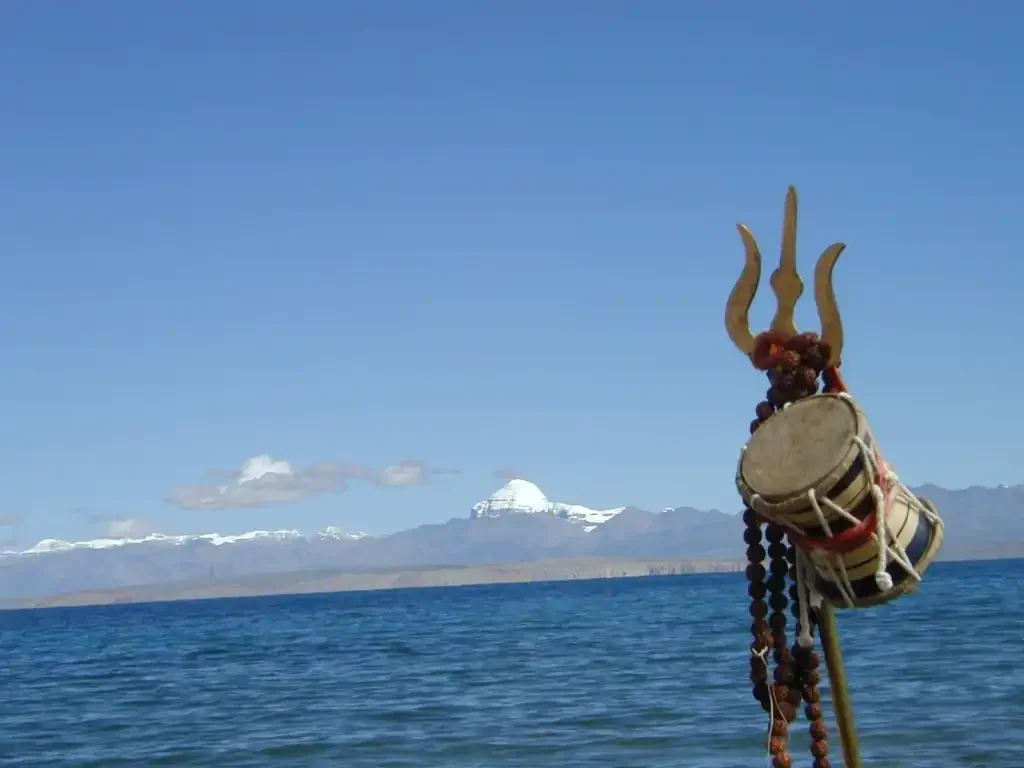
Multifaith Significance
Mount Kailash is a unique convergence point for different faiths, each attributing profound spiritual significance.
- Hinduism : For Hindus, Mount Kailash is the abode of Lord Shiva. Pilgrims undertake the Kora as an act of devotion, believing that completing the circuit can free the soul from the cycle of rebirth.
- Buddhism : In Buddhism, Kailash is home to various celestial beings, and circumambulating it symbolizes enlightenment and the journey to spiritual liberation.
- Jainism : Jains recognize Kailash as sacred due to its association with Rishabha, the first Tirthankara, and hold rituals aimed at spiritual elevation.
- Bön : Followers of Bön regard Mount Kailash as the center of the world, working to unite the earthly and spiritual realms through prayer.
Pilgrimage and Rituals
The act of pilgrimage is deep-rooted in spiritual tradition. Through physical exertion and determination on the trek, pilgrims reinforce their beliefs and connection to the divine. Participating in ceremonies, rituals, and community prayers enhances the transcendent nature of this sacred journey.
Myths and Mysteries Surrounding Mount Kailash
Legends that Enshrine Kailash
- Cosmic Axis : Mount Kailash is believed to be the center of the universe—a cosmic axis connecting the earth to the divine.
- The Whispering Winds : Stories abound of pilgrims hearing whispers or signs during the Kora, interpreted as divine messages.
- Curses of Misfortune : Many say that those who approach the mountain with impure intentions will encounter misfortune, attracting deep caution among travelers.
Unresolved Mysteries
- Unclimbed Peak : Despite its allure, Mount Kailash remains unexplored. The Chinese government prohibits climbing, solidifying its mystical nature.
- Ecological Wonders : The mountain's unique geological features and rich biodiversity continue to spark scientific curiosity, with many questions left unanswered about its formation and ecosystem.
Historical Insights of Mount Kailash and Manasarovar
Historical Relevance of Mount Kailash
Mount Kailash has been a sacred site for thousands of years, frequently referenced in ancient texts and epics. It symbolizes spiritual aspirations and serves as a pilgrimage route that has inspired countless generations.
- Kailash Mahatmaya : This ancient scripture details the legends and significance surrounding Mount Kailash, establishing it as a center of spirituality.
- Pilgrim Accounts : Various accounts from pilgrims over the centuries document their experiences and transformations during the journey, reinforcing its historical value.
History of Lake Manasarovar
Lake Manasarovar, renowned for its purifying properties, has been mentioned in sacred texts like the Puranas and Mahabharata. The lake's creation story serves as an essential element of Hindu cosmology and illustrates its importance across religions. Historical texts suggest that people have visited this holy lake for centuries as part of their spiritual journeys.
- Cultural Heritage : Culturally rich anecdotes emphasize the lake's healing properties—many historic accounts document pilgrims seeking solace and purification within its waters.
- Ecological Significance : Beyond spirituality, Lake Manasarovar provides vital ecological functions in the Tibetan region, making it indispensable for preserving local biodiversity.
Scientific Facts About Mount Kailash
Geological Features and Landscape
Mount Kailash is an extraordinary geological formation and draws the attention of scientists and researchers.
- Unique Composition : The mountain is primarily composed of granite and is characterized by its symmetrical pyramid-like shape, unmatched in the Himalayan region.
- Volcanic Origin : Kailash is believed to have formed through volcanic activity. Its distinct shape raises questions regarding geological processes and formations in high-altitude environments.
Ecological and Environmental Research Opportunities
The region around Mount Kailash is essential for studying climate change effects, biodiversity, and local ecosystems.
- Biodiversity : Home to unique flora and fauna, studying these organisms can offer insights into how life adapts to extreme conditions.
- Climate Studies : Information gleaned from this area contributes to the global understanding of climate change, particularly how ecosystems adapt and thrive in changing environments.
Conclusion
The Mount Kailash Manasarovar Tour offers an extraordinary and multifaceted experience of spirituality, adventure, and cultural immersion. Whether you choose the overland or flight option, understanding the significance of this sacred journey enhances your approach to this captivating land.
With diverse attractions, rich history, and profound myths surrounding the region, travelers are sure to find a deeper connection to their spirituality through this pilgrimage. As you prepare for your 2025 adventure, embrace the journey that not only takes you through breathtaking landscapes but also guides you towards self-discovery and enlightenment. Remember that every step along the Kora represents an important part of your spiritual journey.