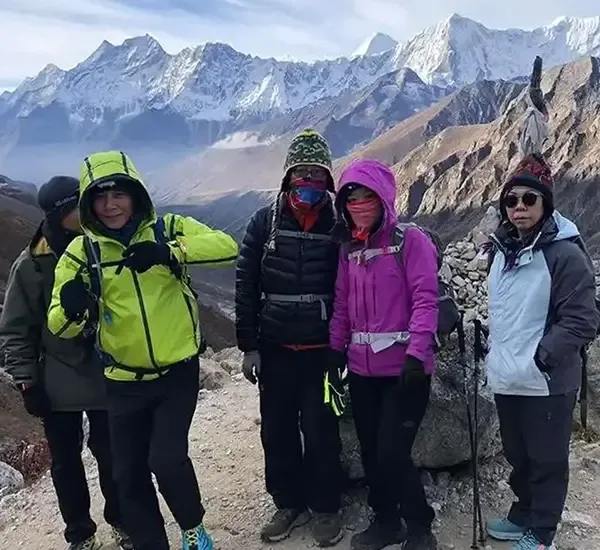

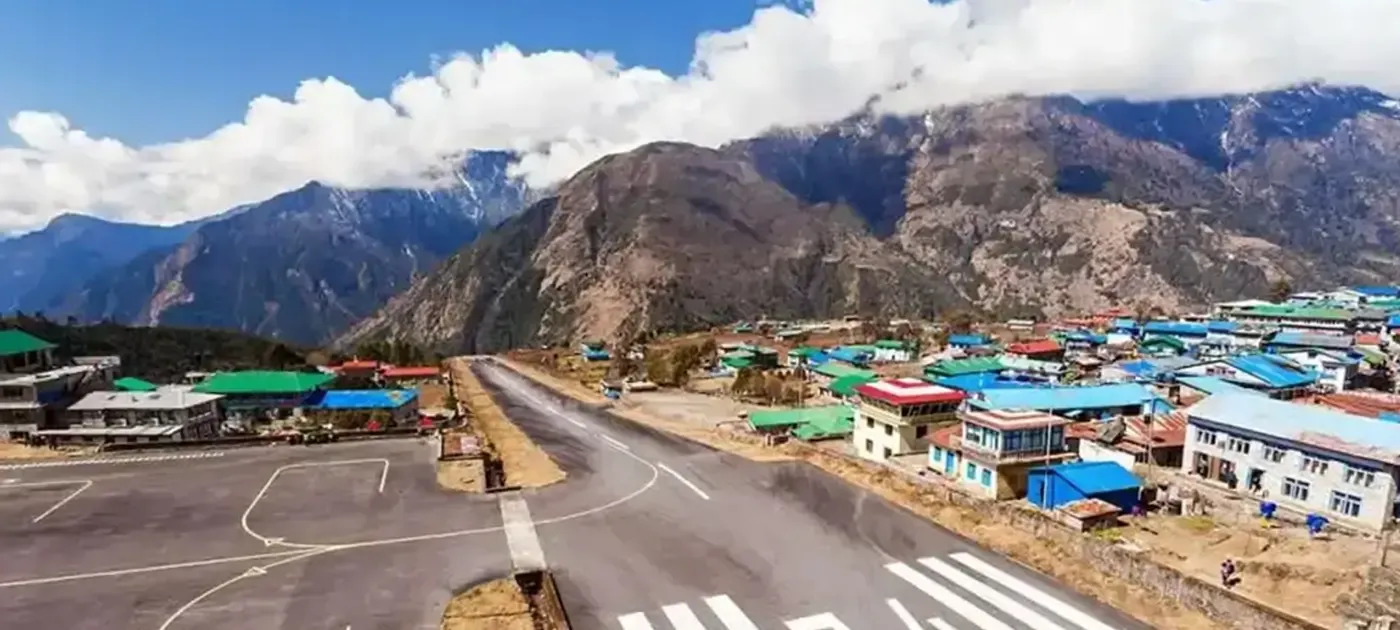

Nestled in the Solu-Khumbu region of Nepal, Lukla is the starting point for adventurers embarking on the Everest Base Camp Trek and expeditions to Everest’s summit. Known for its scenic beauty, thrilling airport, and role as the gateway to the world's tallest peak, Lukla has much to offer. Here are some fascinating facts about Lukla, aimed to help trekkers planning their journey to Everest.
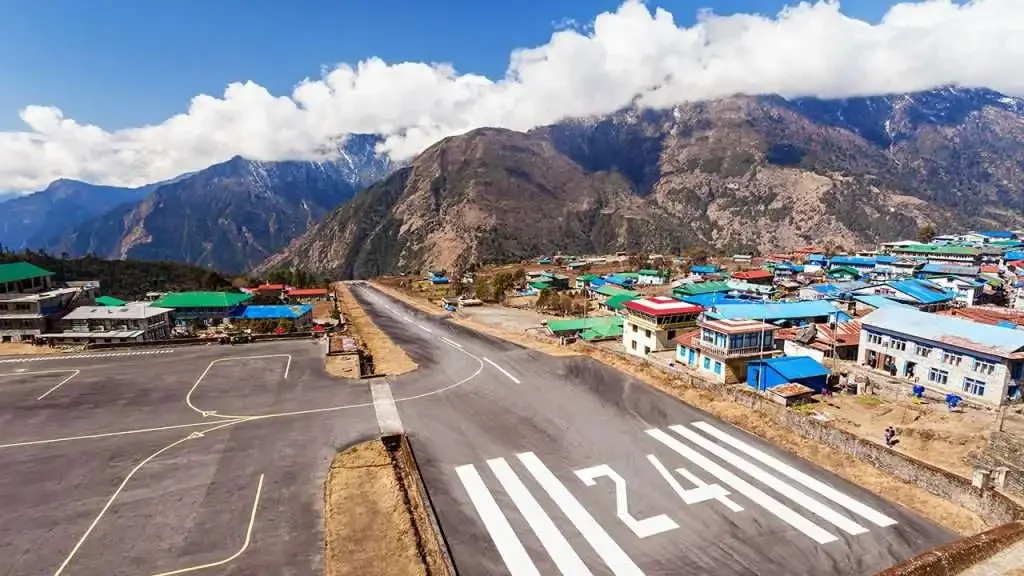 Lukla Airpot
1. Facts About Lukla Airport
Lukla Airport , officially named Tenzing-Hillary Airport , is one of the most famous airports in the world. Located at an altitude of 2,860 meters (9,383 feet), it is the primary gateway for trekkers and climbers heading to Everest Base Camp and Mount Everest. The airport was named in honor of Sir Edmund Hillary and Tenzing Norgay , the first climbers to conquer Everest in 1953. Its unique location and short runway, only 527 meters (1,729 feet) long, make it one of the most challenging airports to land at. Pilots flying to Lukla require special training and experience to navigate its difficult terrain and unpredictable weather conditions. Despite these challenges, the airport handles thousands of trekkers annually, making it an indispensable part of the Everest trekking experience.
2. Lukla Elevation/Altitude
Lukla is situated at an elevation of 2,860 meters (9,383 feet) above sea level. This high-altitude village marks the beginning of the acclimatization process for trekkers heading to higher altitudes, such as Namche Bazaar and Everest Base Camp. The thin air and cooler temperatures in Lukla provide a preview of the conditions trekkers will encounter as they ascend. It’s essential for visitors to take precautions to avoid altitude sickness, such as staying hydrated, eating nutritious meals, and avoiding strenuous activities upon arrival. Spending a night in Lukla before beginning the trek can also help the body adjust to the altitude, ensuring a smoother journey ahead.
3. Kathmandu to Lukla Flight
The Kathmandu to Lukla flight is a thrilling journey and a highlight of many trekkers’ trips. The flight covers a distance of approximately 138 kilometers (86 miles) and takes about 30 to 40 minutes. Operated by small aircraft like Twin Otters and Dornier planes, these flights offer breathtaking aerial views of the Himalayan landscape, including snow-capped peaks, deep valleys, and winding rivers. Flights typically depart early in the morning when weather conditions are more stable, reducing the likelihood of delays or cancellations. However, the unpredictable mountain weather often leads to last-minute changes in schedules. Despite the challenges, the flight to Lukla is an unforgettable experience and sets the tone for the adventure ahead.
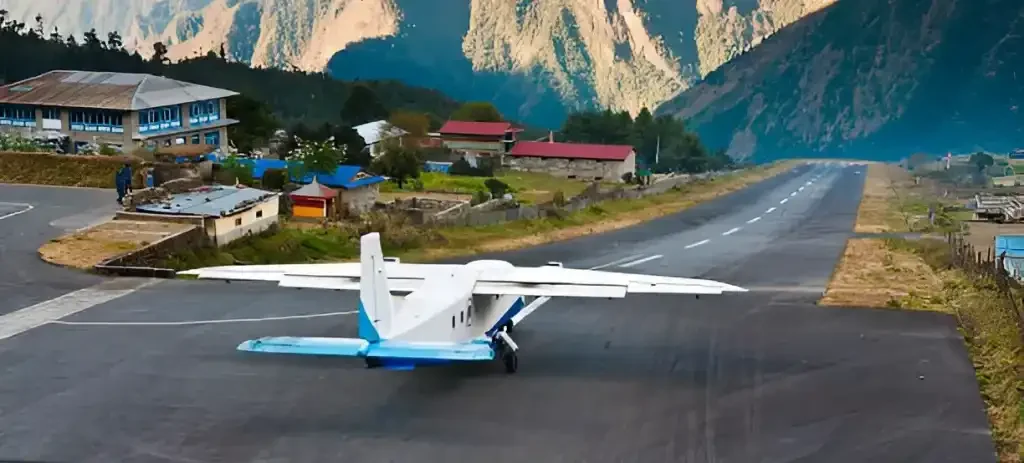 lukla-airpot-everest
4. Best Time to Visit Lukla
Pre-Monsoon (March to May)
The pre-monsoon season, from March to May , is one of the best times to visit Lukla. During this period, the weather is stable, with clear skies and mild temperatures, perfect for trekking. Trekkers can also enjoy the sight of blooming rhododendrons, which add vibrant colors to the landscape.
Post-Monsoon (September to November)
The post-monsoon season, spanning September to November , is another ideal time to visit Lukla. Crisp air and unobstructed views of the Himalayan peaks make this season a favorite among trekkers. The weather is generally dry, ensuring safe and enjoyable trekking conditions.
Winter (December to February)
Winter, from December to February , offers solitude and fewer crowds for those willing to brave the cold. However, trekkers should be prepared for freezing temperatures and potential snowfall, which may make trekking challenging.
Monsoon (June to August)
The monsoon season, from June to August , is typically avoided due to heavy rainfall. Trails become slippery, and flight cancellations are frequent during this time, making travel plans unpredictable.
5. Food and Beverages in Lukla
Traditional Nepali Cuisine
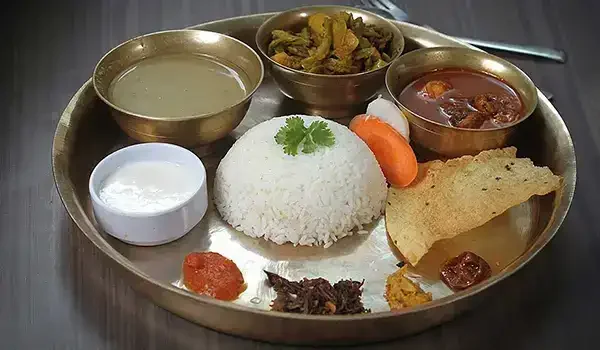
Lukla offers trekkers a taste of authentic Nepali cuisine. Dishes like dal bhat (a hearty meal of lentil soup with rice) and momos (savory dumplings) are staples here and provide much-needed energy for the trek.
International Options

In addition to traditional fare, teahouses and restaurants in Lukla serve a variety of international dishes such as pasta, pizza, pancakes, and even sandwiches, ensuring something for every palate.
Popular Beverages

Hot beverages are a favorite among trekkers to combat the chilly weather. Options include freshly brewed coffee, ginger tea , and traditional butter tea , a local delicacy that provides warmth and energy.
Snacks for the Trail
Trekkers can stock up on snacks like chocolate bars, energy drinks , and trail mix, which are readily available and perfect for quick energy boosts during the journey.
Price Considerations
While the food is generally satisfying, trekkers should note that prices in Lukla are higher compared to Kathmandu. This is due to the logistical challenges of transporting supplies via air or porters.
6. Things to Do in Lukla
Explore Local Monasteries
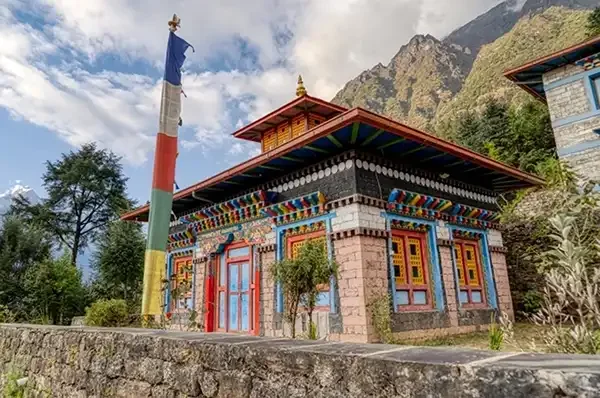
Lukla is more than just a starting point for treks; it offers various activities to enrich your visit. Visitors can explore the local monasteries and gain insight into the spiritual traditions of the Sherpa community.
Enjoy Scenic Views
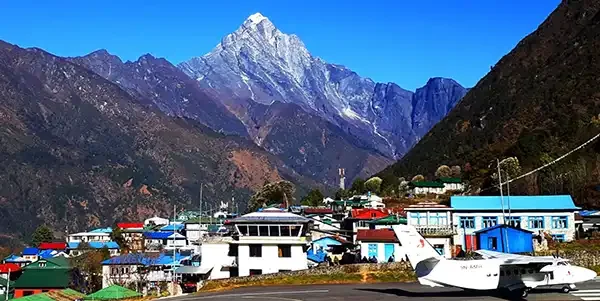
The village provides stunning panoramic views of the surrounding Himalayan peaks, making it a great spot for photography.
Short Hikes and Cultural Experiences
Adventure enthusiasts can take short hikes to nearby villages or viewpoints to experience the natural beauty of the region. Lukla also serves as an excellent place to learn about Sherpa culture , known for its mountaineering expertise and warm hospitality.
Whether it’s exploring the village or preparing for the trek, Lukla has something to offer every traveler.
7. Flight Time/Duration to Lukla
The flight from Kathmandu to Lukla is approximately 30 to 40 minutes long. The short duration makes it one of the quickest ways to access the Everest region. Despite its brevity, the flight is packed with excitement as the aircraft navigates through mountainous terrain and provides passengers with incredible views of the Himalayas. The flight’s highlight is the landing at Lukla Airport, which is often described as an adrenaline-pumping experience due to its short runway and steep incline. For many trekkers, this flight is the perfect introduction to the adventure that lies ahead.
8. Lukla Airport Length
The runway at Lukla Airport is famously short, measuring only 527 meters (1,729 feet) in length. Its unique design, with a steep incline of 12%, helps aircraft slow down quickly upon landing. This engineering marvel is surrounded by rugged terrain, making it one of the most challenging airports for pilots. Despite these challenges, the airport’s strategic location and well-trained pilots ensure the safety and efficiency of operations, enabling trekkers to start their Everest journey with ease.
9. Kathmandu to Lukla by Road
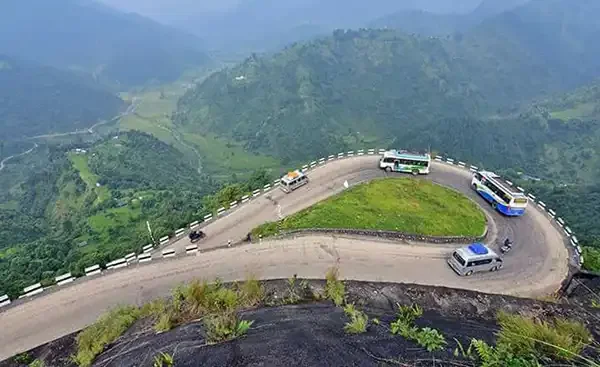
While flying is the most popular option, reaching Lukla by road and trek is an alternative for those who wish to experience the landscape more intimately. A drive to Jiri or Salleri , followed by a multi-day trek to Lukla, offers a chance to explore the beautiful countryside and interact with local communities. This route, often referred to as the classic trekking path to Everest, adds several days to the journey but provides a unique perspective of Nepal’s diverse landscapes and cultures. It’s an excellent choice for those with extra time and a desire to experience Nepal beyond the standard trekking routes.
10. Kathmandu to Lukla Distance
The aerial distance from Kathmandu to Lukla is about 138 kilometers (86 miles). While it may seem short, the journey by air offers a dramatic change in scenery, transitioning from the bustling cityscape of Kathmandu to the serene mountain village of Lukla. By road, the journey involves a combination of driving and trekking, covering a longer distance and offering a more immersive experience of Nepal’s natural and cultural beauty.
11. Lukla Weather
Unpredictable Conditions
The weather in Lukla is highly unpredictable, with clear mornings often giving way to cloudy and windy afternoons.
Seasonal Variations
Temperatures vary greatly depending on the season, ranging from mild conditions in spring and autumn to freezing temperatures in winter. Monsoon rains can make trails slippery and lead to frequent flight delays.
Be Prepared
Trekkers should always be prepared for sudden weather changes by carrying appropriate clothing and gear. Staying updated on weather forecasts is crucial for planning your trek and avoiding unexpected disruptions.
12. Accommodation in Lukla
Lukla offers a range of accommodation options to suit different budgets and preferences. Basic teahouses provide affordable lodging with shared facilities, while more upscale lodges offer private rooms with en-suite bathrooms, Wi-Fi, and hot showers. During peak trekking seasons, advanced bookings are recommended to secure a comfortable stay. Many lodges also provide meals and beverages, ensuring that trekkers are well-fed and rested before embarking on their journey.
13. Some Famous Treks from Lukla
Lukla serves as the gateway to several iconic treks, including the Everest Base Camp Trek , Gokyo Lakes Trek , and the challenging Three Passes Trek. Each of these routes offers unique experiences, from stunning views of the Himalayas to encounters with the rich culture and traditions of the Sherpa people. Some of the famous treks from Lukla are as follows:
- Everest Base Camp Trek
- Everest Base Camp Luxury Trek
- Everest Base Camp Trek with Helicopter Return
- Everest Base Camp Trek with Cho-La Pass and Gokyo Ri
- Gokyo Ri and Gokyo Lake Trekkking
- Everest Three Pass Trek
- Everest Base Camp with Island Peak
- Everest View Trek
- Everest Panorama Trek
14. Luggage Weight Limit for Lukla Flights
Flights to Lukla have strict luggage weight limits, typically allowing 10 kg (22 lbs) for checked baggage and 5 kg (11 lbs) for hand carry. Trekkers are advised to pack light, focusing on essentials like warm clothing, trekking gear, and personal items. Exceeding the weight limit may incur additional charges or require leaving non-essential items behind.
15. Is the Flight to Lukla Safe?
Flying to Lukla is considered safe when conducted by experienced pilots trained in navigating its challenging terrain. The airport’s high standards of operation and the expertise of airlines specializing in mountain flights ensure a secure journey. However, trekkers should be aware of potential weather-related delays and plan accordingly.
16. Planning for Delays at Lukla
Flight delays at Lukla are common due to its unpredictable weather. Trekkers should include buffer days in their itinerary to accommodate potential rescheduling. Flexible travel plans help minimize the impact of delays and ensure a stress-free trekking experience.
17. What About Luggage Delays at Lukla?
Luggage delays can occur, particularly during peak trekking seasons. To avoid inconvenience, trekkers should carry essential items in their hand luggage and be prepared for a short wait while airlines coordinate the delivery of checked baggage.
18. Options to Return to Kathmandu When Flights Are Canceled
In the event of flight cancellations, alternative options include:
- Trekking to Jiri or Salleri , followed by a drive to Kathmandu.
- Helicopter services to Paphlu or Surkhe , providing quicker access to road networks.
19. Flight Schedule to Lukla
The flight schedule to Lukla typically operates during the morning hours, as the weather conditions are most favorable during this time. Flights generally commence as early as 6:00 AM and continue until late morning, depending on visibility and wind conditions. Afternoon flights are rare due to increased weather unpredictability.
Trekkers are advised to arrive at the airport early and remain flexible, as mountain flights are highly dependent on weather conditions. Airlines prioritize safety, so delays and rescheduling are common. During peak trekking seasons, such as spring and autumn, flights are more frequent but also quickly booked, making advance reservations essential.
Temperature in Lukla:
Lukla, a popular destination in Nepal for trekkers, experiences varying temperatures throughout the year. Lukla weather can significantly affect your trekking plans, especially when traveling to Everest Base Camp or other nearby treks.
During the summer months in Lukla (June to August), temperatures range from 10°C (50°F) to 18°C (64°F). While it’s mild, this period coincides with the monsoon season , meaning there’s a higher likelihood of rainfall in Lukla and potentially overcast skies.
Winter in Lukla (December to February) brings colder weather, with temperatures dropping to -5°C (23°F) to 5°C (41°F). Snow in Lukla is common during these months, and cold weather gear is essential for comfort.
Spring (March to May) and autumn (September to November) are regarded as the best seasons to visit, as Lukla temperatures are moderate, ranging from 5°C (41°F) to 15°C (59°F). These seasons offer clear skies and the most favorable weather conditions for treks to Everest Base Camp and other surrounding destinations.
In any season, it’s important to be prepared for Lukla's fluctuating temperatures , with warmer days and colder nights. Proper layering and weather-appropriate clothing are necessary for a comfortable experience.
Conclusion
Lukla is not just a gateway to the Everest Base Camp but an adventure in itself. From its high-altitude airport and stunning views to its cultural richness and strategic importance for trekking, Lukla remains an integral part of any Everest journey. Proper planning, awareness of weather conditions, and flexible travel plans will ensure a memorable experience for anyone visiting this Himalayan gem. Plan your trip to Lukla and get ready for an unforgettable Everest trekking adventure.