
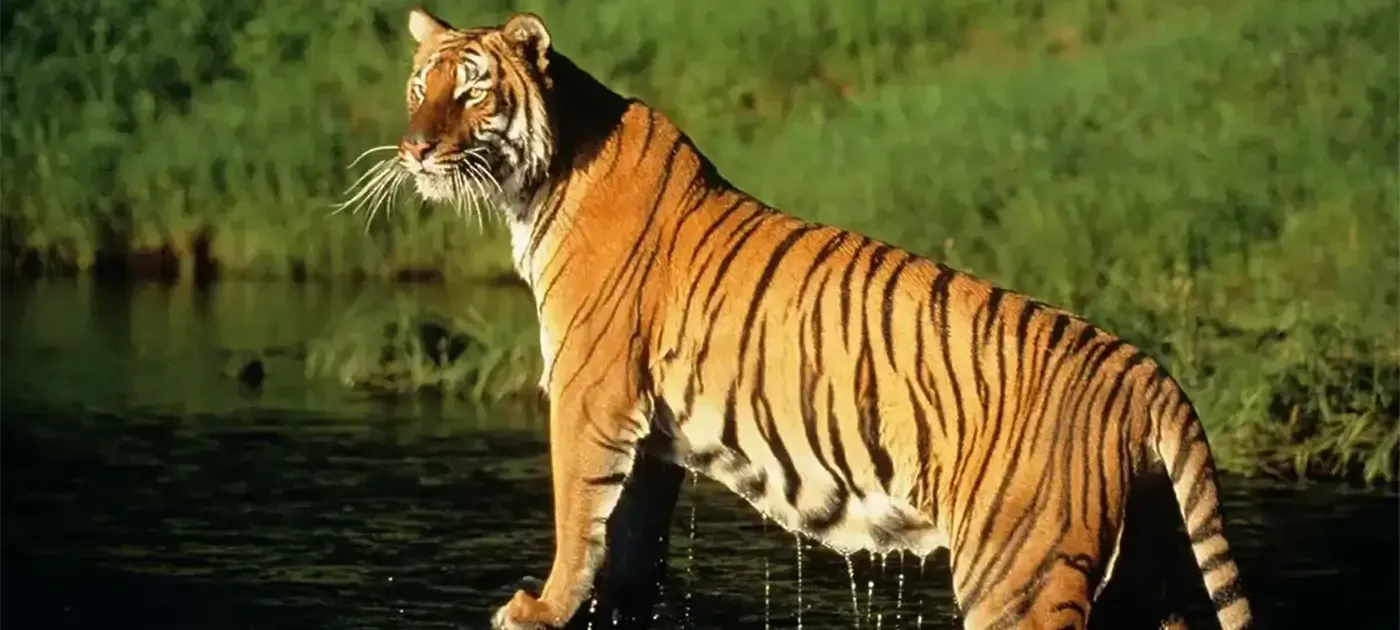

Bardia National Park is one of the major protected areas in the terai region of western Nepal. It is rich in biodiversity which plays an important role in conservation. The area includes 968 square kilometers making it the largest national park in the Terai lowland of Nepal. Bardia is next to the Siwalik Hills in the north and bordered by the Karnali River in the west.
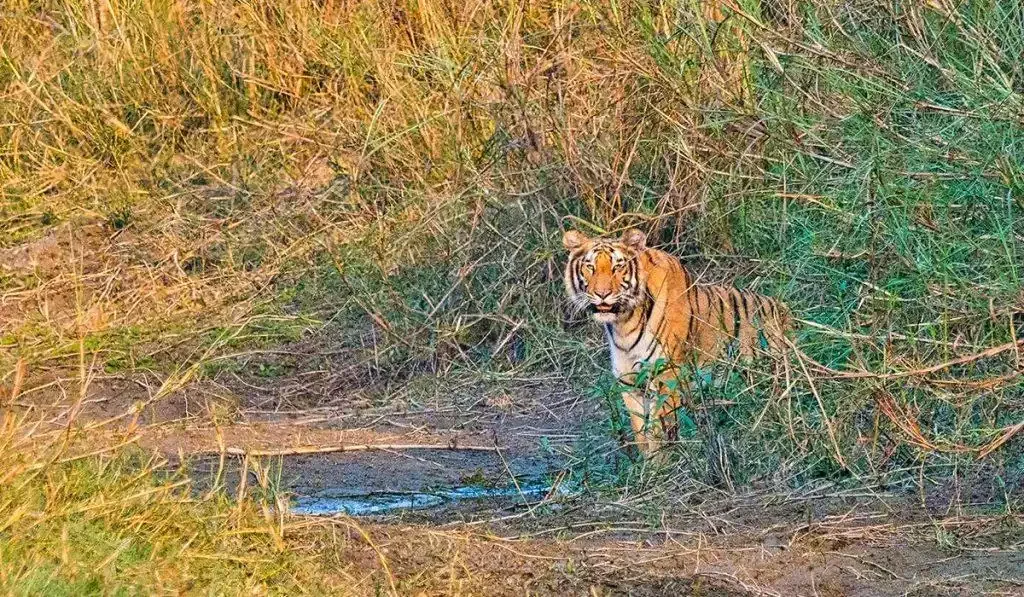
The conservation area serves as essential habitats which make the place crucial in terms of wildlife survival. It started as a Royal Hunting Reserve in 1969 and was turned into a national park in 1988. They follow expansions and conservation efforts are followed to protect unique ecosystems. The background of the park reflects the effort that has gone into conserving wildlife in Nepal.
It was initially set aside for royal hunting Bardia. It then developed into a protected area after the creation of the Royal Bardia Wildlife Reserve in 1982. Communities were being resituated to allow the recovery of wildlife especially the Bengal tiger and today Bardia is part of Nepal's key conservation strategy. Bardia plays a very significant role in the protection of this rare and endangered species like tigers.
It is part of the Tiger Conservation Unit which also includes Banke National Park.. The park forms a protected area of 1,437 square kilometers. Such a move aids both the tigers and their prey to live in comfortable populations. The park has recorded great success in multiplying the number of tigers. As a result of minimal human influence and impressive management.
It is also one of the best Bardia offers in Nepal for a view of the Bengal tiger. Continuing on with around 125 adults through these thick forests with grassy fields and river areas. The low tourist traffic allows visitors to have more intimate wildlife experiences and better chances of spotting tigers.
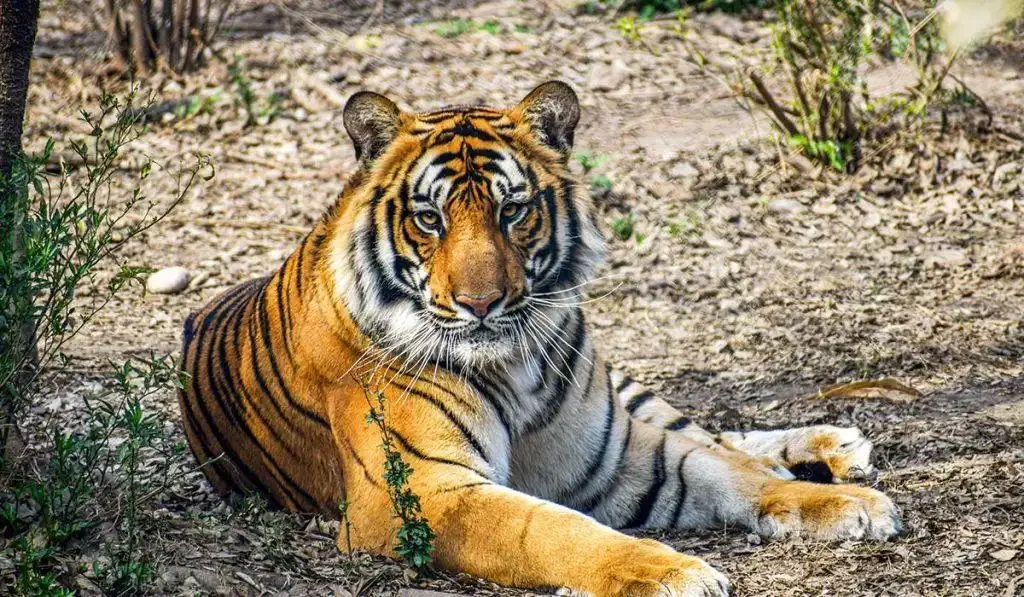
Why select Bardia National Park for Tiger Tracking ?
Bardia National Park in Nepal allows for ideal tiger tracking because of its rich wildlife and successful conservation. It is less commercialized than other National Parks. The rather remote location of Bardia means that it is never really crowded. The spacious area retains the peacefulness for a quiet environment where one is able to have views of the wild animals in their natural habitat and without disturbance from big crowds. This simply makes it easier to locate the imprecise Royal Bengal Tiger. As well as other animals that prefer undisturbed habitats.
Besides tigers the conservation area has an excellent variety of wildlife. From one horned rhinoceros to the Asian elephant , over 250 species of birds , one of the most appreciated bird watcher's paradises and a few crocodiles in the rivers and wetlands. Supporting mammalian fauna are deer , wild boar and leopards among others. This enriches the wildlife experience in addition to supporting ecological balance within the park.
Other reasons to visit include the wilderness success with its tiger conservation. It has formed part of a massive effort to double the population of tigers in Nepal since 2010. The number of tigers in Bardia grew from 121 in 2009 to 355 by 2022. Due to its conservation, Nepal has been awarded the TX2 Award. Due to which Bardia makes for the perfect place for Tiger Tracking.
Additionally, from habitat restoration to anti poaching and community involvement are some of the crucial elements that have helped contribute toward this encouraging result making Bardia the important contributor towards global tiger conservation. It will surely give you some incredible wildlife while supporting essential conservation work.
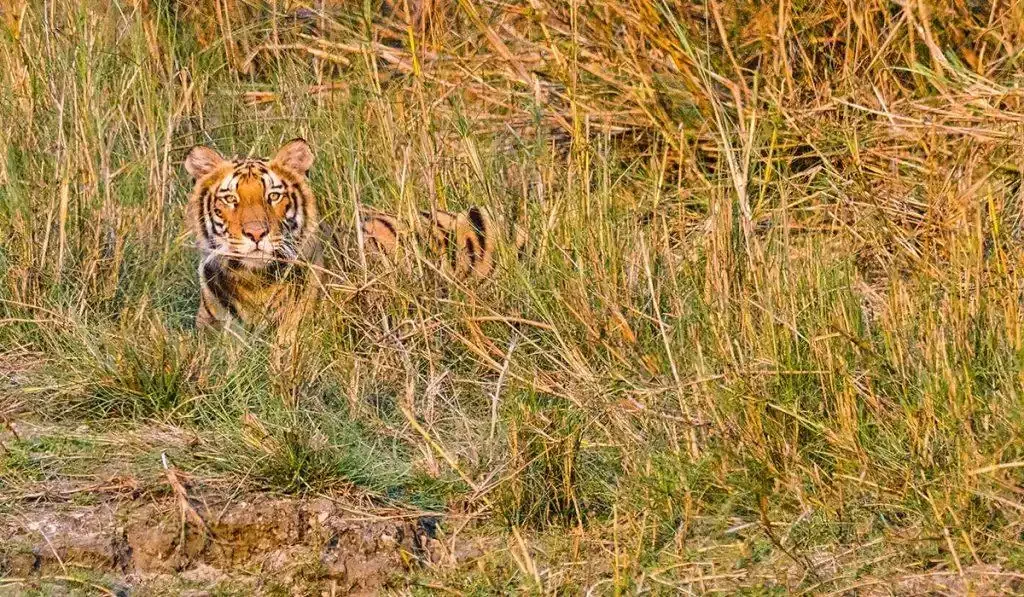
The Experience of Tiger Tracking
Tiger tracking is an exciting safari for the wild enthusiast in you where the excitement of searching for the majestic tigers gets joined with exploring diverse ecosystems. A day in a tiger tracking tour usually starts off very early, with participants leaving in open jeeps or on foot just about dawn. With the cool air that prevails during mornings, this makes the wild very active and guides cautiously search out tracks, pug marks and scratch marks on trees.
After this morning session of safari, the participants return for a leisurely breakfast and some rest period when the sightings can be discussed and more about tiger behavior and conservation can be learnt. The tour resumes in the evening with similar activities continuing like that of the morning. As dusk approaches tigers may emerge from their resting spots offering another chance to spot them.
There are various methods of tiger tracking available. Jeep safaris are available by which one could cover greater areas in comparatively short lengths of time and see various kinds of habitats. In several sites, elephant safaris are provided. These give a very different view of the landscape. The elephants go across thick vegetation where vehicles cannot always venture. Walking safaris taken by trained guides offer immersion in the surroundings with safety.
The spotting of the tiger is very difficult and depends on the season, weather and patience of a person. The period between September and November or between March and April has better visibility as vegetation is not at its thickest. But tiger tracking can be one of the most unpredictable activities out there. It is immensely rewarding and participants learn about tigers and appreciation for the beauty of the surrounding wildlife and ecosystems.
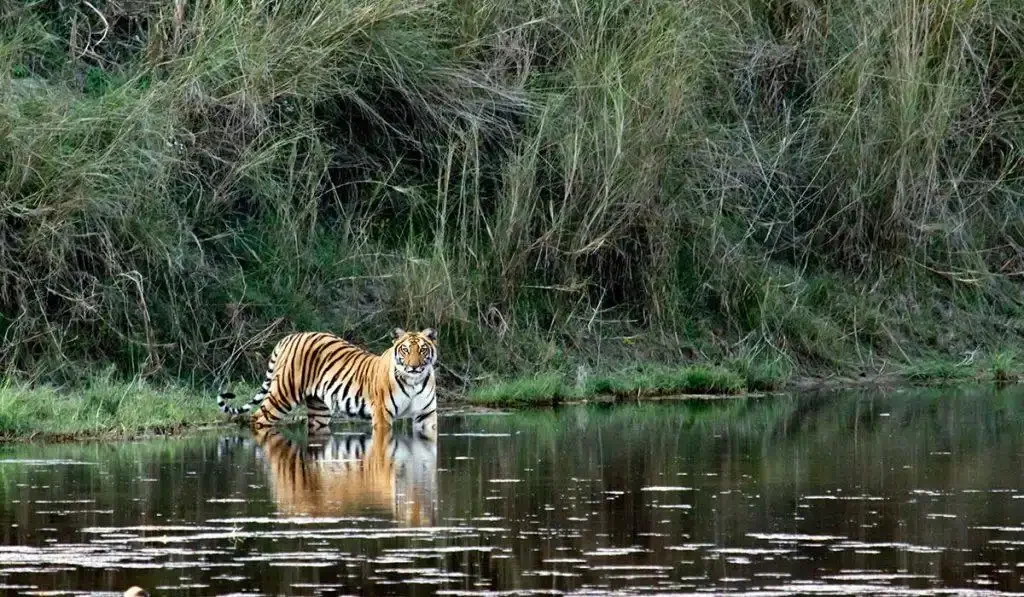
Itinerary for Bardia Tiger Tracking Tour
The Tiger Tracking itinerary is a perfect blend of adventure mixed with culture and wildlife observation at most pristine national parks in Nepal. The Bardia Tour Package gives you lots of chances to see the amazing Royal Bengal Tiger and discover the diverse wildlife in the area.
Day 1: Arrival and Tharu Village Tour
Morning: Transfer to the airport to fly from Kathmandu to Nepalgunj is about a 1 hour flight. On arrival, a representative will greet and transfer you to Bardia National Park which is about 2 to 3 hours of drive.
Afternoon: Arrive at your lodge with a welcome drink. After lunch we’ll be taking a guided tour to a nearby ethnic Tharu village to explore the Tharu culture and lifestyle. Also, visit an elephant breeding center.
Evening: Enjoy the view of the sunset over the Karnali River. Dinner at your lodge. Participate in a wildlife talk in preparation for the next few days of adventure that awaits you.
Day 2: Full Day Tiger Tracking
Early Morning: Rise early for breakfast, then get ready for a full day of tiger tracking. Take an early drive into the park with a naturalist experienced who will lead you in search of the tiger tracks, marks and calls.
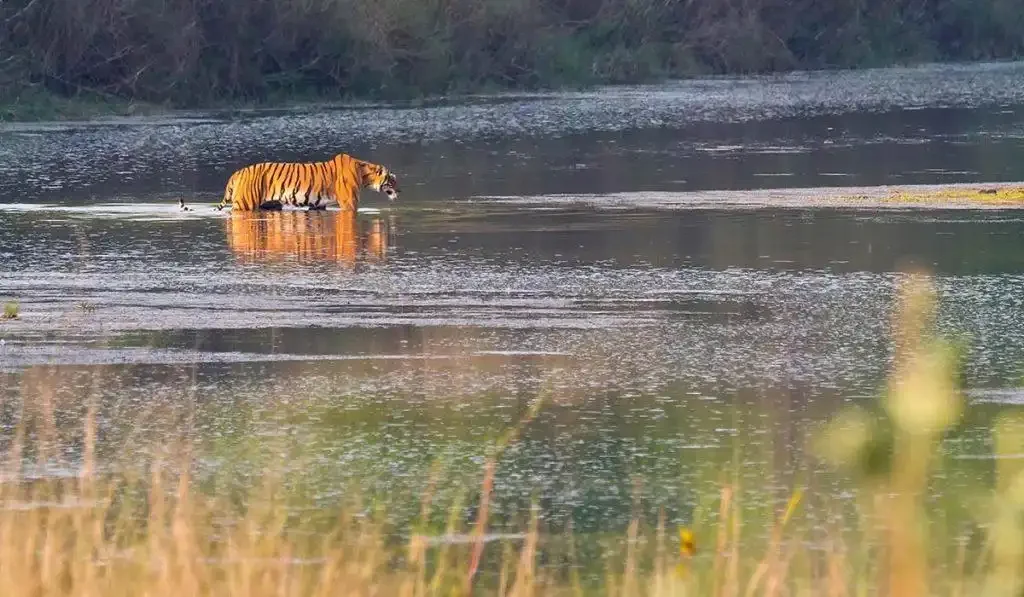
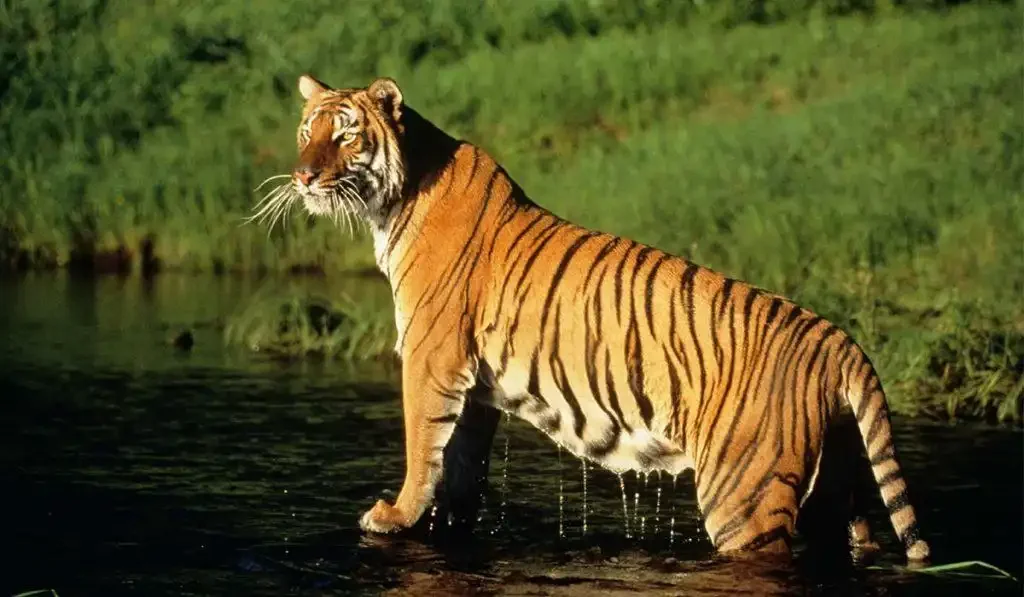
Activities: Spend the day viewing wildlife in several habitats of Bardia National Park using hides that overlook perennial water sources where tigers regularly come to drink and even cool off by swimming. Other possible sightings today include elephants and many species of birds.
Evening: Head back to your lodge in time for dinner. Discuss all wildlife you've seen today with fellow travelers. Enjoy a cultural presentation by the local Tharu people.
Day 3: Full Day Tiger Tracking
We will keep tracking the tiger this day like the previous one.
Day 4: Dolphin Sightseeing and Departure
Morning: After breakfast a dolphin sightseeing tour will be offered along the Karnali River. This is a very good chance to sight the rare Gangetic dolphin and other wildlife in its natural habitat.
Late Morning: Head back to the lodge to freshen up and complete the checkout process. If your flight schedule allows you might have some time for a little last minute exploring or just relaxing before you leave.
Afternoon: Transfer from Bardia to Nepalgunj for your onward flight back to Kathmandu.
Best Time to Visit for Tiger Tracking
The ideal time to track tigers is during winter from October through March because cooler temperatures and dry surroundings increase the tiger's activity. The dry season can also mean reduced vegetation and less water causing tigers to group near water bodies making them easier to spot.
During the monsoon season which lasts from June to September. You can expect lots of rain along with lush green landscapes and high humidity. These conditions further exacerbate tracking with tigers dispersing and making use of dense cover for hunting and shelter. Wet and muddy conditions may also restrict access to certain sections in the parks and reserves.
Temperatures in the dry season range from 10°C to 25°C with a variance of 50°F to 77°F and are cloudless offering minimal obstruction when viewing the parks. Prey are not as abundant so the tigers hunt more. Hence affording a better opportunity to see them. The high temperatures during the monsoon range from 25°C to 35°C a variation from 77°F to 95°F. The rains are incessant with visibility limited by heavy rainfall and thick vegetation.
Visitors should be prepared for winter trips by packing in layers for cool mornings and evenings. Waterproof gear is a necessity for monsoon visits. Safaris early in the morning or late afternoon generally fare well in the dry season. It is very important to check the local weather and park conditions before heading out especially during the rainy season. So now the trip can be planned accordingly from the Great Adventure Treks’s website where visitors will have good chances for the tiger tracking adventure.
How to get ready for a Tiger Tracking Tour ?
Planning a tiger tracking tour means precision in planning. With due regard to the event of an excitingly safe adventure. Start by packing the essentials that will keep you comfortable and safe during your trip.
Wear lightweight and breathable clothes that have neutral colors to camouflage. You can wear long pants to protect from insects and thorns. Hard walking shoes or hiking boots will be needed for rough landscape. Binoculars will extend your wildlife experience. You can observe animals that are far away from you and this way they won't be disturbed. Bring sunscreen to protect your skin to insect repellent for all the bugs and any needed medications. A light jacket is handy during the cooler evenings and a flashlight will become handy on the early morning or night excursions. Take a bottle of water with you at all times for hydration and travel light due to space limitations by taking only one small bag.
On the physical front, participants should be prepared to walk on uneven grounds through jungles or jeep safaris. Although tours are accommodating to people of different kinds of fitness levels it is a plus to have a basic level of fitness. You may go on quick walks or take longer hikes depending on the location that you are in.
First and foremost focus on safety. Do exactly as instructed by your guide. Always keep a safe distance from the animals and try not to make loud noises that might scare them. It's important to respect their space and understand their behavior. Stick together in your group for additional security and effective wildlife viewing. Lastly, get familiar with emergency protocols before heading out. With proper preparation the tour to track tigers will be exciting and unforgettable.
Accommodation Options in Bardia
Bardia Conservation Area offers a range of accommodations that suit all budgets based on the requirements. From eco-friendly lodges to comfortable homestays, visitors can find the perfect place to enhance their stay while exploring the park’s natural beauty.
Bardia Homestay offers a chance to experience Tharu culture while enjoying comfortable accommodations. With spacious twin rooms, mosquito nets and hot showers the guests will surely love the local hospitality and traditional meals prepared by hosts Budhi and Sonja.
While staying at Wild Planet Eco Retreat guests can enjoy a peaceful retreat with free bikes available for rides around with an eco friendly atmosphere. It has a common lounge with a shared terrace that is simply perfect for relaxation after a long day of fun.
Babai Resort boasts luxurious rooms that include 41 modernly fitted rooms with wifi and hot water. It is located near the Babai Valley, therefore suitable for wildlife tours.
Mr. B’s Place is a family run lodge famous for its warm hospitality service and having large and comfortable rooms. Delicious meals are presented on site for guests to enjoy.
Be it luxury resorts or economically friendly stays all Bardia accommodations offer comfort combined with glimpses of nature to complement your adventure in the park.
Eco Tourism and Conservation Efforts
Eco tourism and conservation efforts help in conservation by encouraging responsible travel behavior that supports the local communities and the wildlife as well. This will also help in promoting responsible tourism urging all adventurers to lessen their effects on the environment. Visiting national parks and wildlife reserves helps raise money for conservation efforts. The funds derived are applied to maintaining natural areas for protection of wildlife and restoration of habitats.
The local communities benefit economically through eco tourism. From guides to accommodations and community run restaurants are utilized by tourists there is a boost in the economy at the local level. This acts as an incentive for the communities to protect natural resources rather than exploit them for short term gains.
Ecotourism management greatly involves the local community. One of the examples being, the Tharu community who participate in managing Chitwan National Park tourism in Nepal. The involvement of this tribe has provided guiding tours and accommodations that include amenities and even aspects of their cultural heritage to improve the visitor experience while benefiting the locals.
Most partnerships between ecotourism businesses and indigenous peoples have to do with profit sharing. The revenues collected from tourism cover education, health and infrastructure. Thus this allows the locals to engage in sustainable behavior while preserving cultural heritage and the environment for future use.
You may also like:
- https://greatadventuretreks.com/best-time-visit-nepal/
- Manaslu Circuit Trek Difficulty
- 17 Days Manaslu Trekking Itinerary
Helpful Information for Visitors
If you're planning to visit Bardia National Park you can reach there by both air and road. You can take a flight to Nepalgunj and then drive to Bardia, or you can opt for a bus ride from Kathmandu. The easiest way to reach Bardia is a flight to Nepalgunj which has flights from Kathmandu on a regular basis.
From Nepalgunj it is 90 minutes drive to the Bardia National Park by renting a taxi or catching a local bus. But if you wish to travel by bus you have a more budget friendly preference. Then you may directly take the tourist bus from Kathmandu to Bardia that takes around 12 hours with scenic countryside views on the way.
To enter Bardia National Park one needs to obtain permits and entry fees. You can get the permit from the entrance fee at the Tourist Service Center in Bhrikutimandap, Kathmandu or at the park entrance in Thakurdwara.
The entry fees are listed:
- Nepali Citizens: NPR 100 per person per entry.
- SAARC Nationals: NPR 750 per person per entry.
- Foreign Tourists: NPR 1,500 for each person entering the park.
- Children under 10 years: Free entry.
Please note that all of the fees listed here are for one time entries. Once you leave the park and try to enter again on the same day you will have to pay for it. Now, as for the cost of the tour, prices are really variable depending on your preference and what you'll be setting your budget at. An approximate estimate is:
The budget options on the basic, dormitory style lodging can begin at about NPR 3,000 to NPR 5,000 ($25-$42) per person per day. In most cases this will include basic meals and shared transportation.
For more decent lodges with private rooms, generally refer to a mid range option which include guided tours along with costs ranging between NPR 7,000 and NPR 12,000 ($58 to $100) per person daily. These packages usually include meals and some activities including jungle safaris or bird watching.
If you're opting for the luxury option it ranges from NPR 15,000 to NPR 30,000 per head per day which is $125 to $250. This package generally includes sumptuous meal arrangements with private guides and special activities such as elephant safaris or cultural tours. Based on the preference, you can choose what kind of tour best fits your budget and personal interests for your visit.
FAQs about Bardia Tiger Tracking
- What are Bardia Tiger Tracking Tours? Bardia Tiger Tracking Tours is a tour package that offers an adventurous journey into the heart of the Bardia National Park in tracking one of the most elusive animals, the Royal Bengal Tiger, in its own habitat.
- What is the best time to go tiger tracking? The best time is between February and May. The weather is warm and usually tigers are sighted near a source of water. Early winter months starting from September to November are pretty good too.
- What are some activities on the tour? A few of the activities may involve jungle safaris, nature walks, canoeing, bird watching, and cultural learning from the local Tharu communities.
- How good is the possibility of seeing a tiger? The possibility of spotting a tiger in Bardia National Park is fairly good. It's often considered to be around 90% with good guides.
- What am I supposed to bring for the tour? You can bring a pair of comfortable walking shoes, sunscreen, insect repellent, binoculars for wildlife viewing and a camera to preserve memories.
- Do they accommodate options within or closer to the park? Yes, there are accommodation options from simple budget lodges to luxury resorts like Babai Resort. Amenities and comfort levels vary depending on the facility.
- Is tiger tracking safe? Tracking is a job done with the help of experienced naturalists. There is safety, but at the same time, it is taken care of that the visitor gets as close to wildlife as possible.
- Can a private tour be booked? Yes, one can book a private tour for those who want exclusivity with special guides.
- What other animals apart from tigers can I see? Apart from the tigers, they have elephants, rhinos, deer species, various species of birds, and all other native wild animals.
How can I book a tiger tracking tour? The tours are booked in the various travel agencies online and also at the local operators inside Nepal. In fact, one may book a tour three days in advance just to be sure their spot is secure.