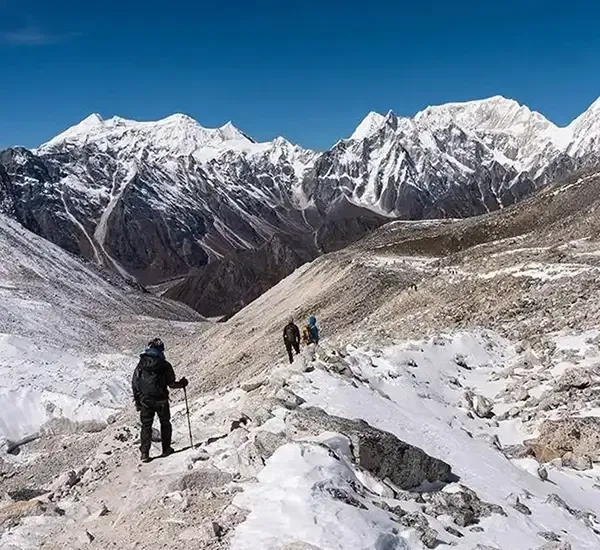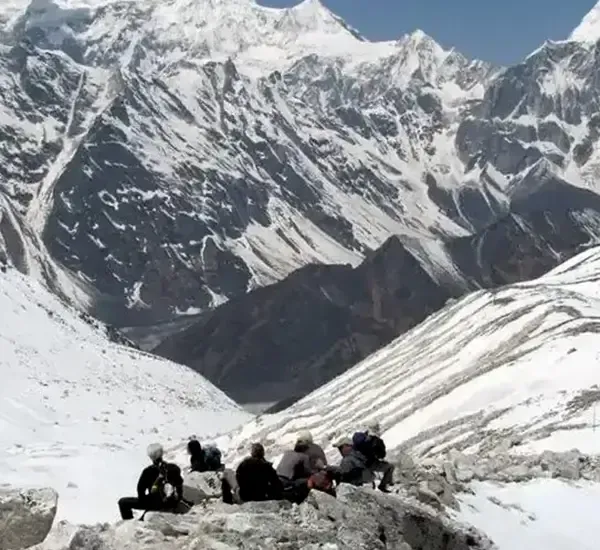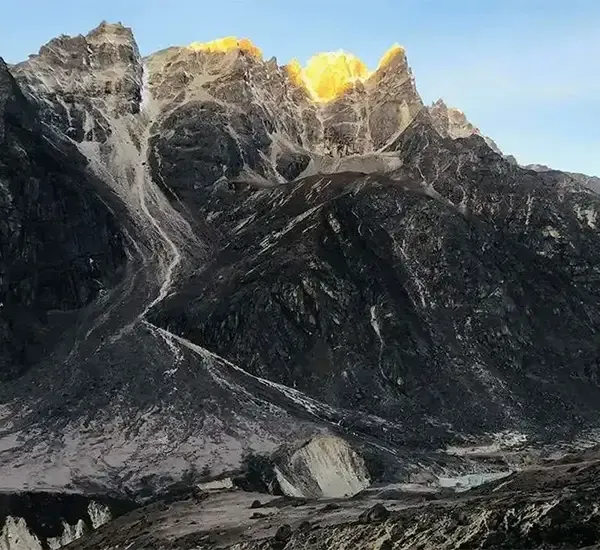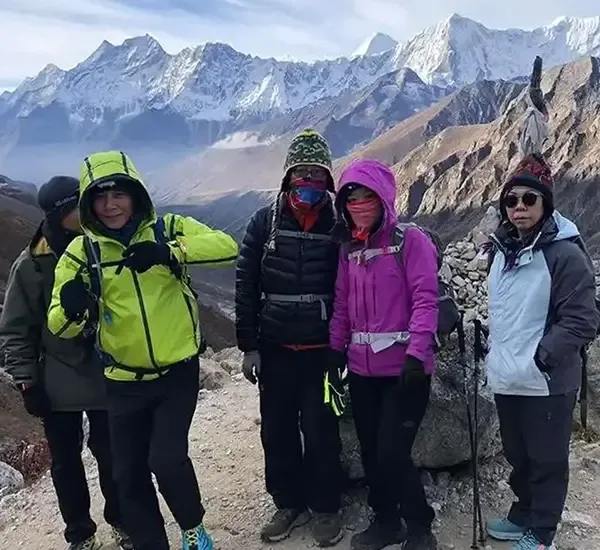

Dhorpatan Hunting Reserve Nepal is the one and only hunting reserve in the country that allows controlled hunting tours. This hunting reserve is situated in the central part of the Himalayas and on the southern slope of Dhaulagiri. As th section includes hunting in Nepal Dhorpatan stretches across an altitude of 2,850 to 5,500 meters ; the high-altitude hunting tour offers a distinct experience. Exploring the temperate jungle to alpine meadows, tracking the game animals and resting at the campsite, this hunting reserve boasts all the exhilarating aspects that make you feel like a true adventurer.
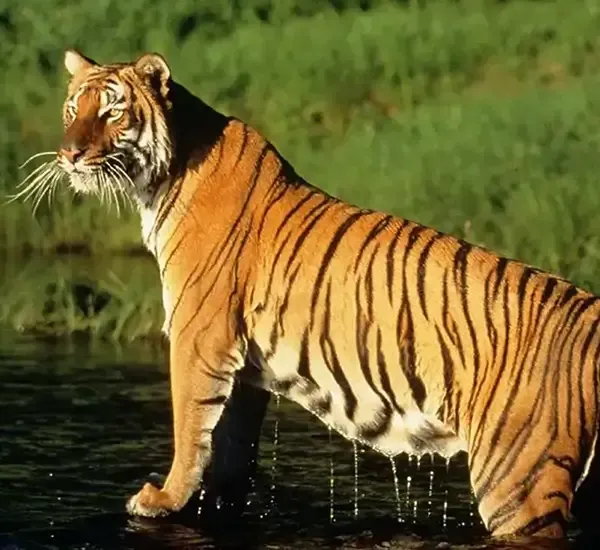
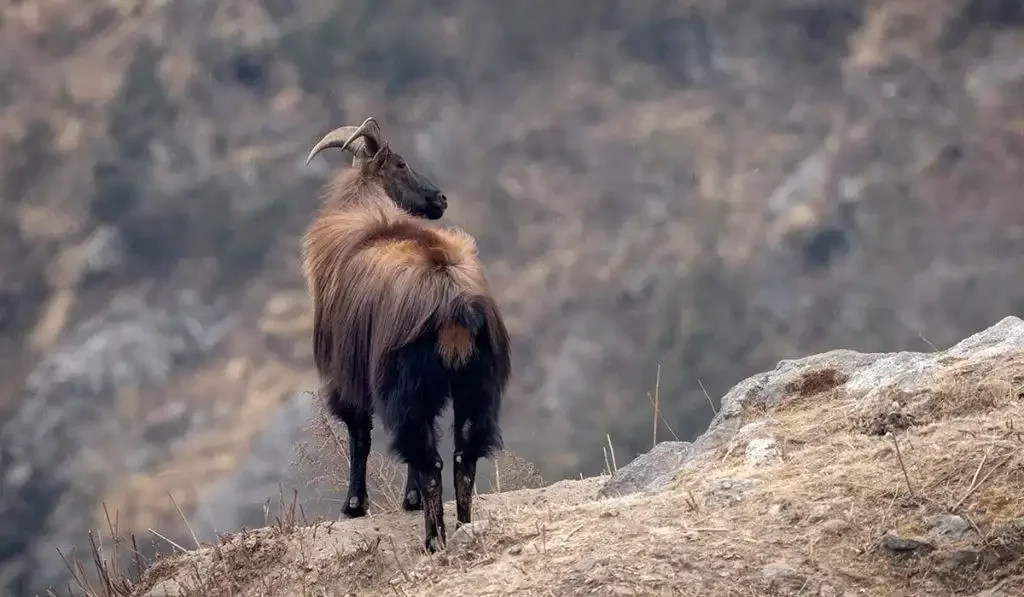
The Dhorpatan Reserve, established in 1983, covers an approximate area of 1,325 sq. km. The pristine environment of the reserve, dominated by temperate, alpine and sub-alpine ecosystems, makes it a haven for the high altitude wildlife enthusiast and hunters alike. Dhorpatan Hunting Reserve Nepal is popular for the population of the Himalayan tahr and the blue sheep, which attracts trophy hunters from all around the world. Beyond the game animals, this reserve also protects the endangered species of wildlife such as musk deer, snow leopard, Himalayan black bear, red panda and numerous species of birds like impeyan pheasant, partridge, etc.
Department of National Parks and Wildlife Conservation has implemented strict conservation measures to ensure that hunting activities are properly regulated and conducted sustainably without hampering the delicate wildlife preservation process. For the non-hunters as well, this wildlife reserve is equally appealing. The opportunity for trekking, exploring the diverse flora and fauna, birdwatching and outdoor camping makes the journey inside the reserve a memorable experience.
Highlights of Dhorpatan Hunting Reserve Nepal
- Opportunity to explore the one and only hunting reserve in Nepal
- Dhorpatan Hunting Reserve trek rewards you with awe-spring views of the central Himalayan peaks such as Dhaulagiri, Gurja Himal, Annapurna , Machhapuchhre, Churen Himal and Putha Hiunchuli
- One of the most thrilling and exciting high-altitude hunting experiences
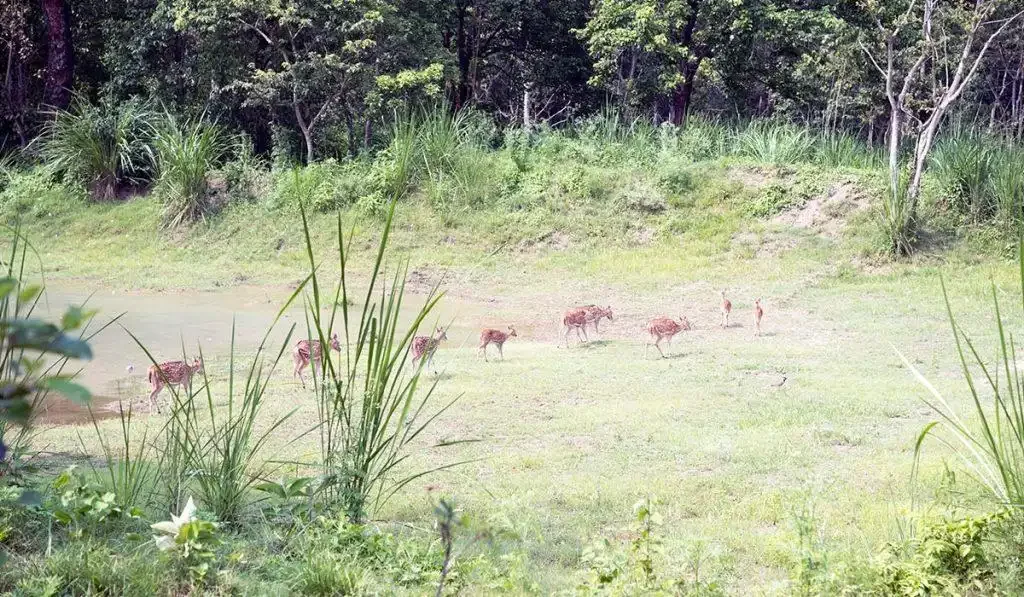
- Exploring the high altitude wildlife like Himalayan tahr, Himalayan black bear, wild boar, barking deer, langur, leopard, musk deer, red panda, wolf, at their natural habitat
- A exciting cultural experience exploring the beautiful culture, traditions and lifestyle of the Magar, Thakali, Gurung, Brahmin and Chhetri ethnic groups
- One of the less traversed regions that guarantees a tranquil experience and journey in solitude
- Diverse topography from the temperate forest to the serene alpine meadows with astonishing mountain visats on the backdrop
- Options for camping at marked regions for a memorable outdoor experience like a true explorer
- An organized controlled hunting practice under strict supervision for the conservation purpose of the eco-system
Dhorpatan Hunting Reserve History and Establishment
Dhorpatan is Nepal's first and only hunting reserve, which was established in 1983. Initially, this wildlife reserve was used as a sanctuary for practicing traditional hunting methods by the nearby villages. Now, it has been transformed into a conservation area that protects wildlife species and occasionally holds supervised hunting operations.
This reserve was then gazetted in 1987; management of the reserve preserves and allows sport hunting of the high altitude ecosystem of west Nepal in this reserve. Dhorpatan Hunting Reserve has a total area of around 1,325 sq. km and it is the only hunting reserve in the country. This reserve aims to meet the needs of foreign and Nepali hunters to hunt the Himalayan blue sheep and other game animals.
Besides the blue sheep, other wildlife like goral, serow, Himalayan tahr, Himalayan black bear, wild boar, barking deer, langur, leopard, macaque, mouse hare, etc, are found inside the park. This Himalayan wildlife hunting reserve is also home to 137 species of birds.
The most common species of birds inside the reserve are pheasants and partridge. As for the endangered, protected animals inside the park, musk deer, red panda, wolf, cheer pheasant and danphe are the top issues.
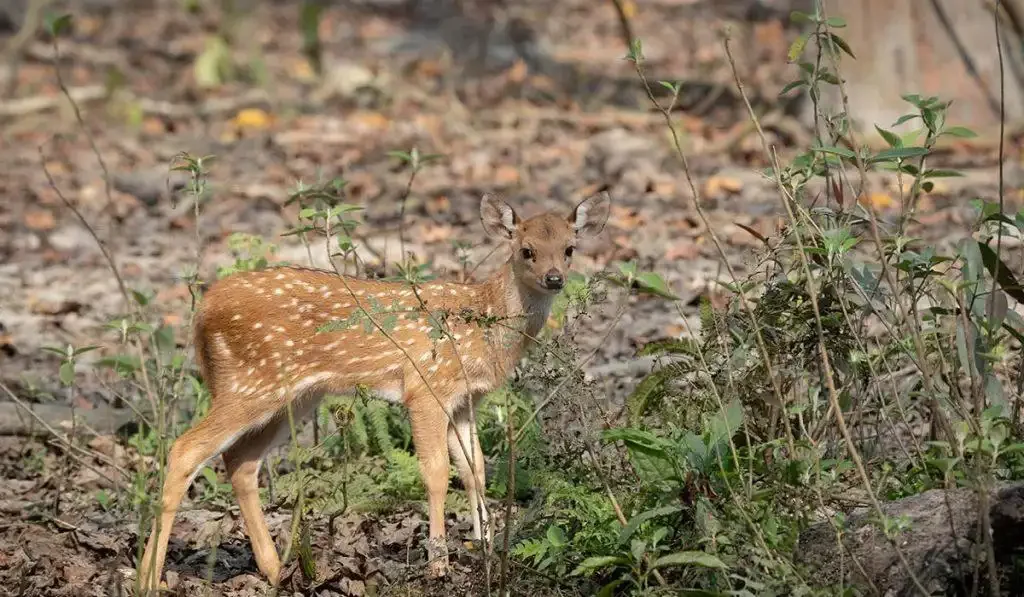
Dhorpatan Hunting Reserve extends from an altitude of from 2,850 meters to more than 5,500 meters. The higher portions of the region remain covered with snow throughout the year. The flat meadows above the treeline (generally at the altitude of 4,000 meters), which are locally known as patans are the most important section for hunting tour.
In this region, blue and other herbivorous high-altitude animals can be found in great numbers. The wildlife reserve has been divided into seven blocks for a proper hunting management purpose and conservation of the endangered species.
Hunting Blocks in Dhorpatan Hunting Reserve
There are several hunting blocks divided in the Dhorpatan Hunting Reserve. Each of these blocks provides a different hunting experience inside the park. The areas inside the hunting reserve are classified into different parts for specific hunting purposes and conservation accordingly.
With the help of these block distributions, Dhorpatan Hunting Reserve Nepal has been able to successfully conserve the endangered species and properly utilize the wildlife resources without affecting the natural ecosystem.
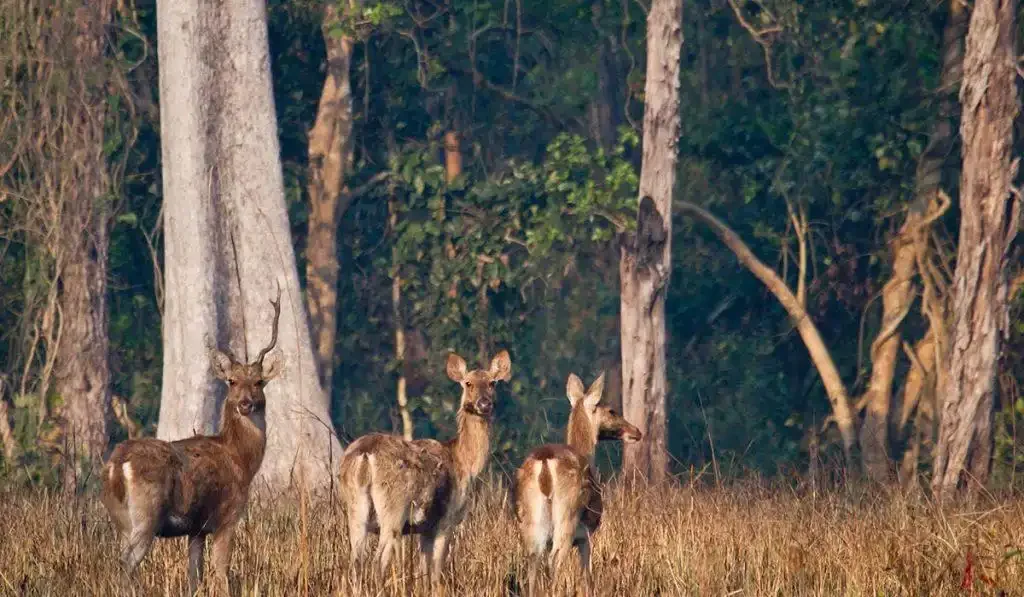
In general, the blocks inside the park have been classified into two categories and seven sub-categories.
Southern Hunting Block
- Falguna— for hunting Himalayan tahr and blue sheep
- Barse— for hunting blue sheep
- Surtibang— for hunting Himalayan tahr
- Gustang— for hunting blue sheep and Himalayan tahr
Northern Hunting Block
- Dogadi— for hunting Himalayan tahr and blue sheep
- Sundaha— for hunting Himalayan tahr and blue sheep
- Dogadi— for hunting Himalayan tahr and blue sheep
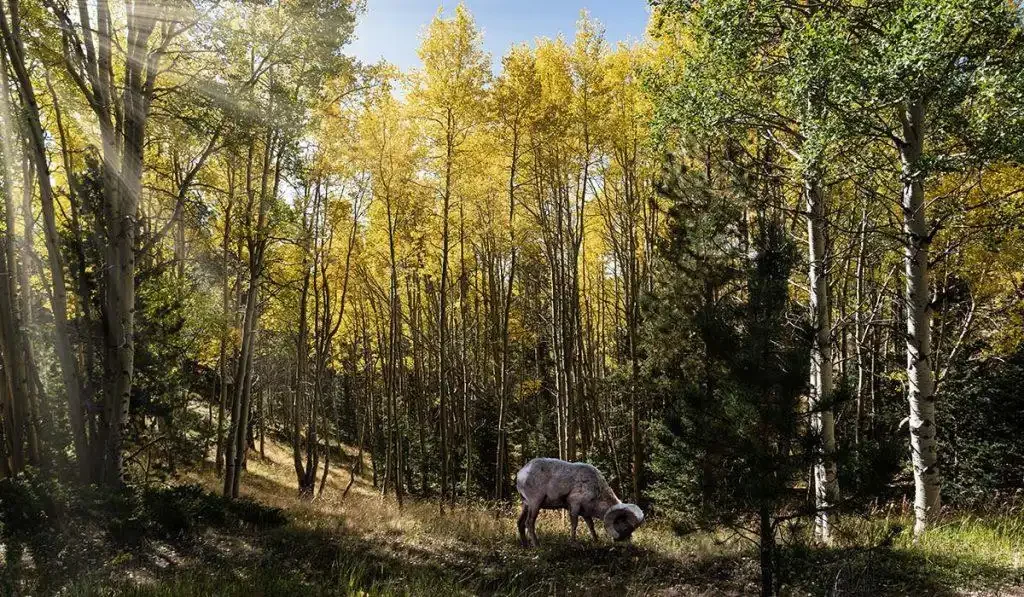
Best Time to Visit Dhorpatan Hunting Reserve Nepal
The best time to explore the Dhorpatan Hunting Reserve Nepal will depend on what kind of experience you are looking for. If you want to enjoy a hunting tour inside the reserve, you will need to visit in an appropriate season.
Similarly, for just viewing there is a different set of suitable seasons. However, avoiding the off-season is advisable for both experiences. Let’s discuss them in details.
Hunting Season
If you want to participate exclusively in the hunting tour inside the Dhorpatan Hunting Reserve, the most appropriate months for the visit are October to May. During these months, the weather factors are favorable for hunting and hunting species are also generally active.
Similarly, the clear sky and mild temperatures will make this outdoor sport fun and exhilarating. However, it is important to note that the hunting within the reserve is tightly controlled and you will have to secure the necessary permits before engaging in any kind of hunting activities.
Hunting in Nepal Dhropatan is famous for the game animals such as Himalayan tahr and bleu sheep. The conditions of the high Himalayan region during this period is just ideal for the pursuit of these animals.
Trekking and Wildlife Exploration
This wildlife reserve is popular as the Himalayan hunting space. However, if you want to move beyond that and explore the rare species of high-altitude flora and fauna in their natural habitat, then you should visit the reserve during one of the high seasons.
Both spring (March to May) and autumn (September to November) are the renowned period for high-altitude trekking that lead to the Himalayan region. Due to the weather stability and incredible natural allure, both of these seasons are remarkable periods to make the best out of your wildlife exploration.
Spring is famous for its greenery and vibrant landscape that gives you the sensation that you have entered a magical realm. As for the autumn, the foliage color is a unique experience and the calmness of weather will make your hunt a thrilling experience.
Avoid Off Period
The off period for your adventures in the Dhorpatan Hunting Reserve is considered during the monsoon season (June to August). The weather conditions in Nepal are not reliable during this period of the year. Due to continuous rainfall, it is hard to stick with the itinerary plans and the unfavorable weather phenomena also create further challenges for your journey.
During the hunt, you will have to be very careful with your movement and footing. Monsoon season has slippery trails, which is certainly not the most favorable period to make the best out of your hunting trip.
Similarly, it will also be much more harder for wildlife sightings during this period. As the animals take shelter to avoid the continuous downpour, the sightseeing of both endangered wildlife and game animals is in limited number.
Hunting Experience
The hunting in the Dhorpatan Hunting Reserve is regulated strictly by the Government of Nepal to preserve and utlizie the wildlife resources of the region. This is the only hunting reserve in Nepal and the experience can be quite distinct from compared to that of other hunting reserves across the world.
Only a limited number of hunting permits are issued during each year. The hunters need to strictly follow the rules and regulations inside the reserve during their allotted period. If you are planning to take on this hunting sport, it is also important to adhere to the moral hunting and conservation guidlines.
Targeting just the particular species for the hunt and avoiding disrupting the natural environment of the reserve is one of the top rules. Similarly, hunters also need to take care of their trash and follow an eco-friendly approach to conserve the ecosystem.
As for the game animals, besides the Himalayan tahr and blue sheep, a few hunting permits for musk deer and Himalayan black bear are also issued. Blue sheep and the Himalayan tahr can be found on the rugged mountainous terrain, rocky slopes and alpine meadows.
Musk deer and Himalayan black bear are mostly found in the lush forested regions inside the reserve. Musk deer are prized for their valuable musk which is even used for traditional medicines.
Note: Hunting activities inside the reserve are strictly regulated and closely monitored to ensure compliance with the conservation laws and to avoid the overxploitation of the wildlife population.
Permits for Dhorpatan Hunting Reserve
For hunting in Nepal Dhorpatan it is important to collect the necessary permits from the Department of National Parks and Wildlife Conservation. The issued permit for the hunt specifies hunting seasons, duration of the trip, type of game animals, and quantity of the animals to be hunted. Your Dhorpatan Hunting Reserve price for the permit will be determined by these factors.
In general, for a group size of at least two hunters who has set the blue sheep as their game animal, they will have to pay around US$ $$$ or the permit. Similarly, for the same group sizes hunters who are targeting the Himalayan tahr, the cost of the permit is around US$ $$$.
As for the exotic species of wildlife, such as black bears and musk deer, the hunting permit cost can be even higher. Note that the above-mentioned price is just for the hunting permits inside the reserve for the species-designated destination.
The Dhorpatan Hunting Reserve price for the permits doesn’t cover for other expenses such as food, accommodation, transportation, hunting guide and hunting equipment. You will have to see to their arrangement on your own.
Accomodation Options
As the Dhorpatan Hunting Reserve Nepal takes you to a hunting region and not a popular trekking route, you might be curious about the accommodation arrangements. Well, rest assured there are actually three modes of accommodation facilities that you can choose from during this hunting tour.
The most popular form of accommodation facility during this hunting tour is tented camps. There are designated campsites that offer rewarding views of the landscape and pristine peaks. In general, these type of camping sites offers standard sleeping arrangements with shared bathroom facilities.
As for the other modes of accommodation, villages around the reserve have some lodging and guest house establishments. A guesthouse is a typical representation of the teahouse experience on the mountain trail. The lodges, on the other hand, are more of a luxury experience with additional amenities.
If you are going on this hunting tour during the peak seasons, we suggest you to make an advanced booking for the accommodation due to the limited number of establishments. You can also consider an organized package that will take care of all your adventure needs so you can just enjoy your trip.
What About Food?
Like the accommodation options, you will also have several options to choose from while deciding on your suitable palate. Nepal is a haven when it comes to cultural delights due to its incredible diversity. Thus, you will be able to choose from a wide range of meal options at the local eatery establishments.
The menus at the guesthouse run by the locals may not be that diverse, but they certainly do have homely touches. If the local delicacies don’t suit your palate, then you can also go for the continental and other international menus.
There are also plenty of vegan and vegetarian available in the region to satisfy the diverse dietary requirements. If you want, you can also enjoy your meals outside at the picnic spots, relishing the magical Himalayan atmosphere.
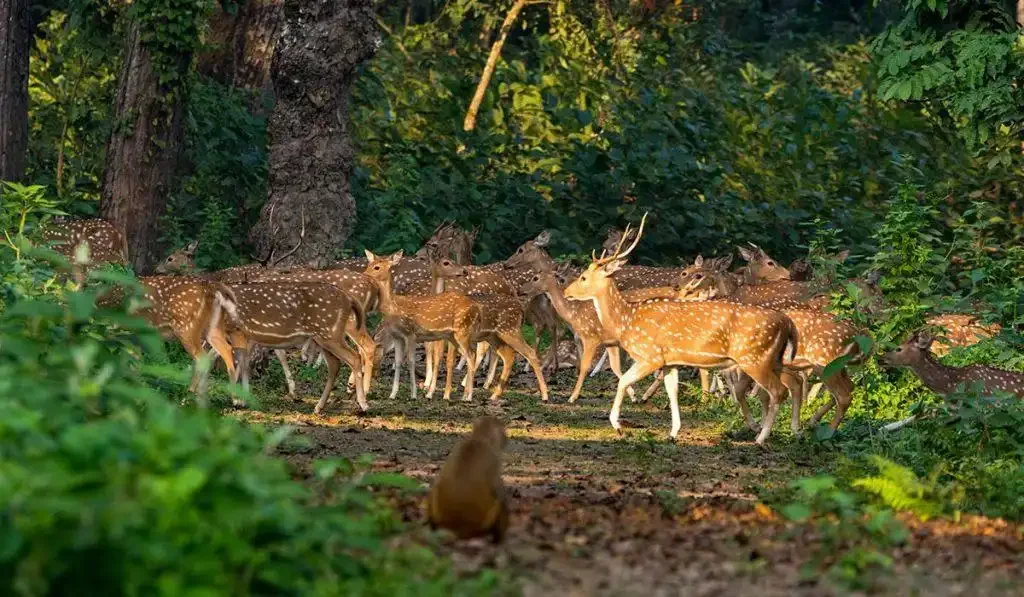
What to Bring for Hunting in Nepal Dhropatan?
If this is your first time going on a hunting tour, for your Dhorpatan Hunting Reserve Nepal, you will need to be mindful of what to pack for the trip. For efficient packing, you should consider two important aspects: one is the season you are planning your trip in and another is the climate variation.
Even if this is not a high-altitude trekking adventure, you will move across diverse climatic zones in the country as the area inside this wildlife reserve stretches from 2,850 meters to more than 5,500 meters. Thus, to deal with climate variation (temperature drops as you move to higher ground), you will need comfortable layers for different altitudes.
Similarly, you will also need a comfortable trekking or hiking boot to easily navigate across the rugged landscape. For hunting, you may have to stay stealthy in difficult terrains, so make sure that your boots have good traction points and are flexible.
As for the gears, bring map, GPS, binoculars, hunting gear, ammunition, game bags, field dressing kit, etc. Beyond those, take good care of personal hygiene and sanitization throughout the trip. Also, bring energy drinks, snacks and chocolate bars that will be life saver when you need a quick energy boost.
How to Get There?
You can get to the Dhorpatan Hunting Reserve Nepal from two of the major cities in the country. This wildlife reserve is at a driving distance of about 330 km (205 miles) from Kathmandu. Similarly, the tourist hub of Pokhara just around 180 km (111 miles).
Similarly, Tasnen to Tamgash Gulmi is another possible route to venture to this wildlife reserve. It takes about 5 hours of drive on this route, including the 30 km separate drive from Burtibang to Dhorpatan.
As for the standard route from Beni and Myagdi to Dhorpatan, it takes around three days of trekking to reach the reserve. Thus, you can start from anywhere you prefer for this hunting tour. If you are looking for a comfortable and luxurious experience, there is also an option for helicopter flights.
These heli options are operated from major cities like Pokhara and Kathmandu. You can go for either a group sharing option or a private charter flight as per the experience you are looking for.
Annual Game Hunt
For hunting in Nepal Dhropatan, the wildlife reserve hosts an annual game event. Hunters from all over the world, from countries like USA, France, Russia, UK, Germany, Australia, etc. to participate in the game hunt, the hunters have to provide a license for hunting.
In this annual game hunting vent moderated by the Department of National Park and Wildlife Conservation, the participating hunters are permitted to hunt for the blue sheep and Himalayan tahr. Each of the hunters receives the allotment of five Himalayan tahr and seven blue sheep in the Dhorpatan Hunting Reserve.
During each annual event, the first hunting season starts in October and ends in December. As for the second season , it lasts from the middle of February to the middle of April. The hunting licenses issued inside the reserve depend on the competitive bidding placed by the travel agencies.
The bid for the game animals general starts at NRP 80,000 to NPR 1,00,000 margin for each Himalayan tahr. Similarly, as for the blue sheep, the bid amount is slightly expensive and starts at around NPR 1,80,000 to NPR 2,00,000. This is just a general estimation of the standard margin, the bid amount placed by the agencies varies every year.
Rules and Regulations to Be Followed During Dhorpatan Hunting Reserve Trek
Here are some rules and regulations that you will have to following during your hunting tour inside the Dhorpatana Hunting Reserve. These rules are set by the Department of National Parks and Wildlife Conservation and you will need to strictly adhere to them.
- You will need to get the entry ticket at the ticket counter, it costs NPR 3,000 (about US$ 30) for foreigner, NRP 1,500 for SAARC Nationals and NRP 100 for Nepali. For the traveler’s porters, the entry ticket costs NPR 25 per person.
- Necessary permits for the hunt should be collected from the Nepal Tourism Board Office in Bhrikuti Manadap or at the entrance counter at Dhorpatan Hunting Reserve.
- The entry permit if for a single entry only and it cannot be transferred or re-funded.
- Making enter inside the reserve is illegal and it is important to secure your permits as the reserve personnel may ask you to show you permits.
- If you are planning to film or make a documentary inside the reserve, you will need to get a special type of permit; filming cost is US$ 1,500 for foreigners, NPR 50,000 for SAARC Nationals and NPR 10,000 for a Nepali
- You will have to pay for taking the drone inside separately and you will need to a permit to fly it as well.
- Do not disturb the natural habitat of the flora and fauna inside the park.
- Walking inside the reserve is prohibited during the night.
- You can only camp during the nights in designated areas.
- Take care of your trash, dump it at the designated destination, or bury the bio-degradable waste.
- The use of motorcycles and mountain bikes is prohibited inside the Dhorpatan Hunting Reserve Nepal.
- Hire guides and porters who are familiar with the regulations and terrain of the reserve.
- Respect the local culture, traditions and sentiments.
- Hunters need to stay on the designated trail to avoid causing environmental damage.
- Report any illegal activities or violations inside the reserve immediately to the authorities.