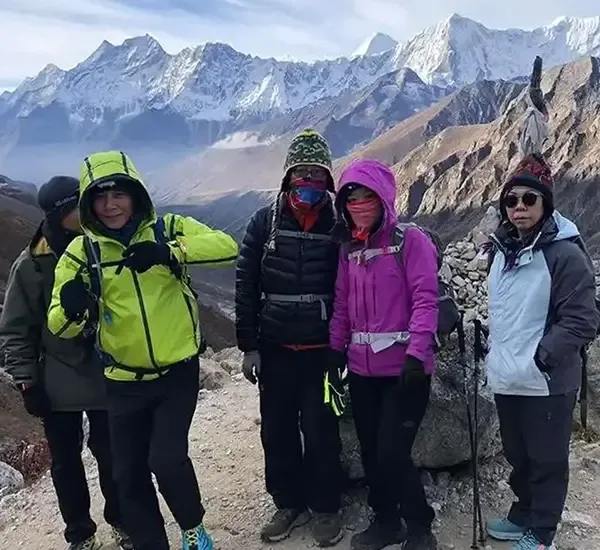

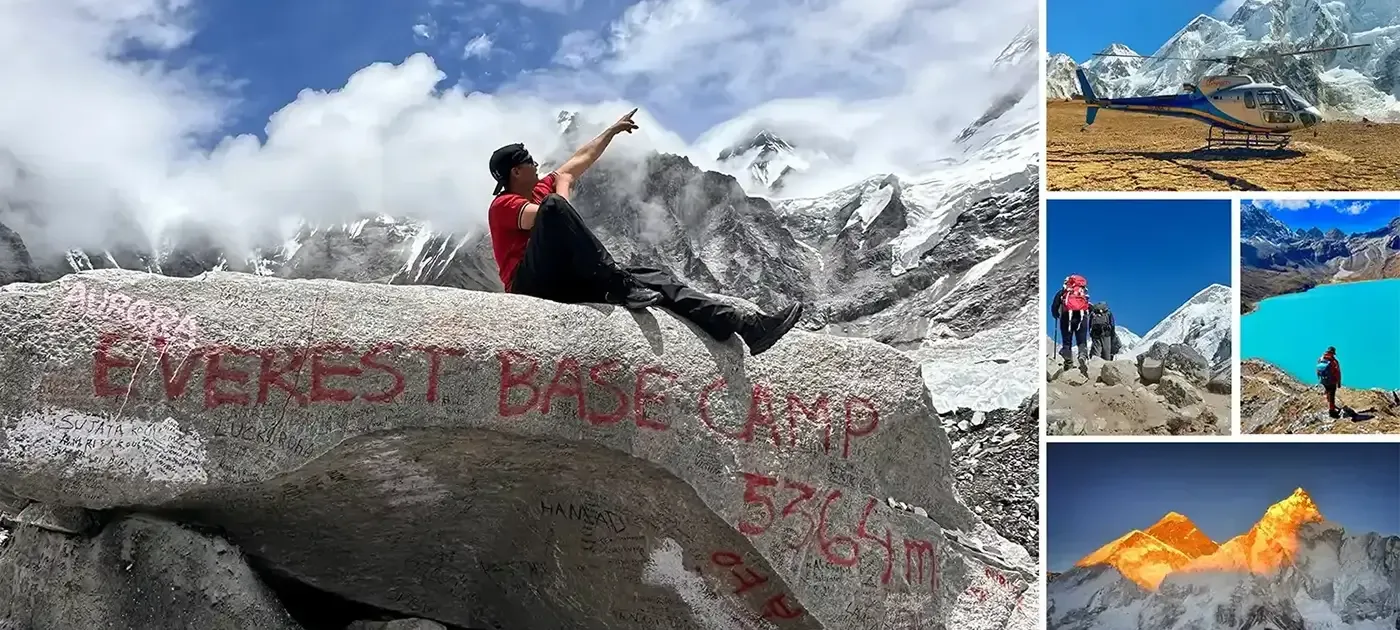

To make your trek to Everest Base Camp successful, you have to have a good idea about it's cost and itinerary. This article will give you information about the Everest Base Camp Trek Cost and Itinerary.
The price for the Everest Base Camp Trek is not set in stone. It would range from USD 1250 TO USD 3680 , depending on the route, the agency, mode of transportation and the services they provide. Cost of the luxury trekking package and the helicopter return options will be slightly more than the cost of the standard packages.
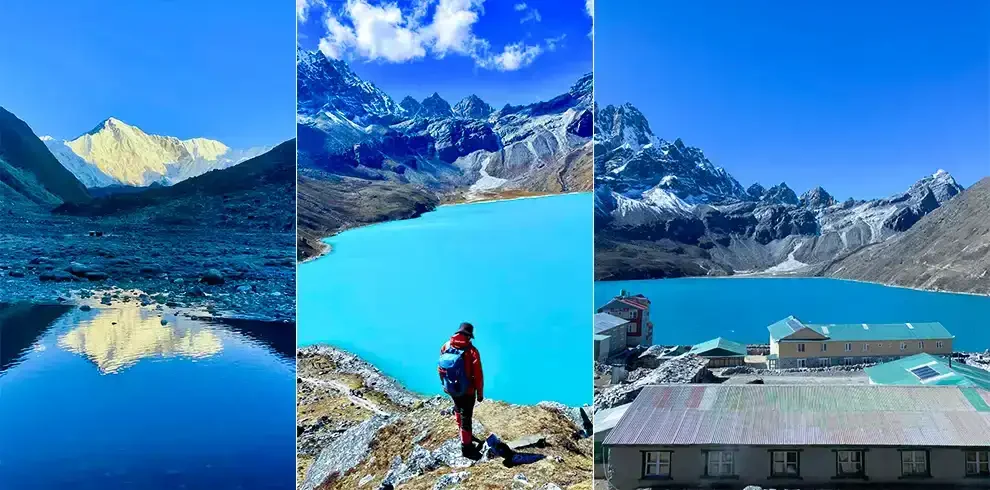 everest base camp with cho la pass and gokyo ri
You might be interested in other itinerary:
Understanding the Everest Base Camp Trek Cost
Planning your Everest Base Camp trek means looking at several key factors. Your Everest base camp trek expenses can change a lot. This depends on when you go, the type of trek, and how many people are in your group. Having a solid budget for Everest base camp trek helps you avoid surprises and enjoy your trip.
Several things affect the cost of the trek. These include:
1. Mode of Transportation
- Flights to Lukla: A round-trip flight from Kathmandu to Lukla is essential for most trekkers. The updated price of Kathmandu to Lukla flight is $228 USD one way , depending on the season and availability.
- Private Helicopter Options: A private helicopter offers exclusivity and convenience, allowing you to tailor the flight experience according to your preferences. From Kathmandu to Lukla or Lukla to Kathmandu: Cost: $2800 to $3000 USD per helicopter (up to 5 passengers).Ideal for avoiding unpredictable Lukla flight schedules and ensuring timely travel. Return from Everest Base Camp (or Gorak Shep) to Kathmandu: Cost: $5,500 to $6,000 USD per helicopter (up to 5 passengers).Provides a scenic aerial view of the Himalayas while saving 3–4 days of trekking time. Custom Routes (e.g., Kala Patthar to Kathmandu): Cost: Varies based on distance and number of stops but typically ranges from $3,000 to $6,000 USD.Ideal for luxury travelers or those with time constraints.
- From Kathmandu to Lukla or Lukla to Kathmandu: Cost: $2800 to $3000 USD per helicopter (up to 5 passengers).Ideal for avoiding unpredictable Lukla flight schedules and ensuring timely travel.
- Cost: $2800 to $3000 USD per helicopter (up to 5 passengers).
- Ideal for avoiding unpredictable Lukla flight schedules and ensuring timely travel.
- Return from Everest Base Camp (or Gorak Shep) to Kathmandu: Cost: $5,500 to $6,000 USD per helicopter (up to 5 passengers).Provides a scenic aerial view of the Himalayas while saving 3–4 days of trekking time.
- Cost: $5,500 to $6,000 USD per helicopter (up to 5 passengers).
- Provides a scenic aerial view of the Himalayas while saving 3–4 days of trekking time.
- Custom Routes (e.g., Kala Patthar to Kathmandu): Cost: Varies based on distance and number of stops but typically ranges from $3,000 to $6,000 USD.Ideal for luxury travelers or those with time constraints.
- Cost: Varies based on distance and number of stops but typically ranges from $3,000 to $6,000 USD.
- Ideal for luxury travelers or those with time constraints.
- From Kathmandu to Lukla or Lukla to Kathmandu: Cost: $2800 to $3000 USD per helicopter (up to 5 passengers).Ideal for avoiding unpredictable Lukla flight schedules and ensuring timely travel.
- Sharing Helicopter Options: Sharing a helicopter significantly reduces the cost while still providing a comfortable and scenic alternative to trekking back.
- Lukla to Kathmandu or Lukla to Kathmandu (Shared): Cost: $500 to $600 USD per person , based on seat availability.Best for budget-conscious travelers who want to avoid delays in Lukla flights. Everest Base Camp (or Kala Patthar) to Kathmandu (Shared): Cost: $1300 to $1,500 USD per person.A popular option for trekkers who prefer a one-way trek and a quick return to Kathmandu.
- Lukla to Kathmandu or Lukla to Kathmandu (Shared): Cost: $500 to $600 USD per person , based on seat availability.Best for budget-conscious travelers who want to avoid delays in Lukla flights.
- Cost: $500 to $600 USD per person , based on seat availability.
- Best for budget-conscious travelers who want to avoid delays in Lukla flights.
- Everest Base Camp (or Kala Patthar) to Kathmandu (Shared): Cost: $1300 to $1,500 USD per person.A popular option for trekkers who prefer a one-way trek and a quick return to Kathmandu.
- Cost: $1300 to $1,500 USD per person.
- A popular option for trekkers who prefer a one-way trek and a quick return to Kathmandu.
- Lukla to Kathmandu or Lukla to Kathmandu (Shared): Cost: $500 to $600 USD per person , based on seat availability.Best for budget-conscious travelers who want to avoid delays in Lukla flights.
- Everest Base Camp Helicopter Tour with Landing (Shared): Cost: $1,180 to $1,300 USD per person , including a stop at Kala Patthar.Ideal for those who wish to visit EBC without trekking the entire route.
- Cost: $1,180 to $1,300 USD per person , including a stop at Kala Patthar.
- Ideal for those who wish to visit EBC without trekking the entire route.
Benefits of Helicopter Options
- Time-Saving: Helicopters save 3–5 days of trekking, perfect for travelers with tight schedules.
- Comfortable Return: Avoid the physical strain of descending the trail.
- Scenic Experience: Enjoy unparalleled aerial views of the Himalayas, glaciers, and valleys.
- Flexibility: Suitable for emergencies or unpredictable weather delays.
Factors Affecting Helicopter Costs
- Season: Peak seasons (spring and autumn) may have higher rates due to demand.
- Group Size: Sharing the cost among more passengers lowers individual expenses.
- Weather Conditions: Delays due to bad weather can increase waiting costs.
- Service Providers: Different operators may offer varied rates and packages.
Combining Helicopter with Trekking
A hybrid approach is becoming increasingly popular, where trekkers choose Everest Base Camp trek with helicopter return. This option balances adventure, comfort, and cost-effectiveness.
- Sharing Helicopter Option : Depending on the size of the group, estimated Cost for Trek + Helicopter Return (Shared): $1,690 to $1,870 USD per person. ( Know more about this package ).
- Private Helicopter Option : The Everest Base Camp trek with private helicopter Return costs $2800 to $7400 per person. 1 Pax : $7100 to $7400 2 Pax : $4200 to $4400 3 Pax : $3300 to $3500 4 Pax : $2900 to $3100 5 Pax : $2600 to $2800
- 1 Pax : $7100 to $7400
- 2 Pax : $4200 to $4400
- 3 Pax : $3300 to $3500
- 4 Pax : $2900 to $3100
- 5 Pax : $2600 to $2800
By including private and shared helicopter services , you can make the Everest Base Camp Trek more accessible, efficient, and tailored to individual preferences.
2. Trekking Permits
- Sagarmatha National Park Entry Permit: Approximately $30 USD per person , with an additional local tax.
- Khumbu Pasang Lhamu Rural Municipality Permit: Around $20 USD per person.
- TIMS Card: If you're trekking without a guide, you may need a TIMS (Trekkers’ Information Management System) card, which costs $20–30 USD.
3. Accommodation
- Tea Houses: Lodging along the trail is budget-friendly, costing $5–$10 USD per night at lower altitudes. However, prices can increase to $20–$30 USD as you climb higher.
- Hotels in Kathmandu: Pre- and post-trek stays in Kathmandu can range from $25 to $150 USD per night , depending on the level of comfort.
4. Meals and Drinks
- Meals on the Trail: Expect to spend $5–$10 USD per meal. The cost increases with altitude due to transportation challenges.
- Bottled Water: Can cost between $1 and $4 USD per liter , depending on the location.
- Hot Drinks: Tea, coffee, and hot chocolate prices range from $1 to $5 USD , higher at higher altitudes.
5. Guide and Porter Services
- Guides: Hiring a licensed guide costs around $25–$40 USD per day.
- Porters: Porters charge about $15–$25 USD per day , depending on the load they carry.
6. Trekking Gear
- Essential gear, such as trekking boots, jackets, and backpacks, can add to the cost if you need to buy or rent them. Renting costs can range from $5 to $10 USD per item per day.
7. Travel Insurance
- Insurance that covers high-altitude trekking and emergency helicopter evacuation is crucial and costs around $100–$150 USD per person for the trek duration.
8. Season of Trek
- Peak Season (Spring & Autumn): Costs tend to be higher due to demand for flights, guides, and accommodations.
- Off-Season (Monsoon & Winter): Costs are generally lower, but weather challenges can increase transportation and guide fees.
9. Additional Expenses
- Charging Electronics: Charging fees can cost $2–$5 USD per hour.
- Wi-Fi Access: Internet on the trail costs $5–$10 USD per hour.
- Tips for Guides and Porters: Tipping is customary, often amounting to 10–15% of the total trek cost.
Estimated Cost Breakdown
- Budget Trek: $1,000–$1,500 USD per person
- Standard Trek: $1,500–$2,500 USD per person
- Luxury Trek: $3,000+ USD per person
By understanding these factors, you can better tailor your Everest Base Camp Trek to fit your preferences and budget.
Knowing these factors helps you understand trek pricing better. By thinking about your Everest base camp trek expenses and making a realistic budget for Everest base camp trek , you're ready for an amazing adventure in the Himalayas.
The Expenses of the Everest Base Camp Trek
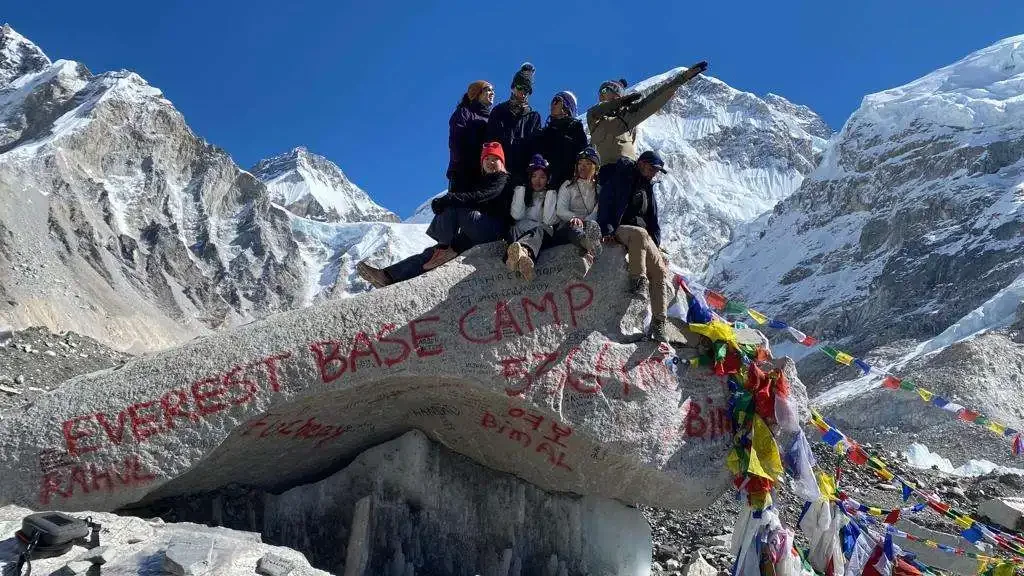 everest base camp trek with heli return
The Everest Base Camp Permit cost
You will require two permits to complete the Everest Base Camp trek: an entrance permit for Sagarmatha National Park and one for Khumbu Pasang Lhamu Rural Municipality( also known as a regional fee to enter the Solukhumbu area).
The total cost for the permits will be as follows:
Khumbu Pasang Lhamu Rural Municipality permit :
USD 20 per individual/week (for the first 4 weeks)
USD 25 per individual/week ( beyond 4 weeks)
Sagarmatha National Park permit cost :
USD 30 per person
Ride and Guide cost:
In this part of the article, we will break down the cost of transportation along with porters and guide costs for your Everest Base Camp Trek.
Flight costs:
Starting with the flight to and back from Lukla, a round-trip ticket costs from USD 360 to USD 380 per person. A good option to start the trek off is to take a flight from Kathmandu to Lukla before starting the trek.
Travel insurance cost:
Due to the altitude and extremely cold weather, the trek to Everest Base Camp is quite unpredictable, and anything could happen. If you need medical attention, you might need to be evacuated on a helicopter and transported to a reputable hospital. Consequently, you must have a policy of insurance that is appropriate and covers.
The paperwork for your permit application also requires some sort of insurance included in it, so it is best to have a travel insurance to cover yourself.
Guides and Porters cost:
While trekking in Nepal, having a guide and a porter is always very beneficial. They are familiar with the teahouse owners and can communicate in the local tongue. With their wealth of knowledge about the trail, they'll help you make the most of your trekking experience.
Licensed porters are required compulsory on many trail treks in Nepal for your own safety. Some guides even help you carry your luggage, but porters will also be available. They will transport your gear so you can move freely, especially at high altitudes where trekking can be challenging.
While hiring a porter costs between USD 20 to USD 25 per day , hiring a guide typically costs between USD 30 and USD 35 per day. An individual porter can handle up to 20 kg of luggage. The premium guides may charge upwards of USD 50 per day.
Although the cost doesn’t seem extravagant, you are expected to tip. Tipping is customary but not mandatory in Nepal. Tipping around 10% to the guides and porters would be a good idea.
Accommodation costs in the Everest Base Camp trek
You will be accommodated at local lodges or tea houses depending on the remoteness or the day of your travel. The cost of lodging varies from cheap teahouses to ones that are more comfortable and a few extravagant lodges.
In a basic teahouse, a bed costs about USD 5-8 per night per head on average, while a room with two beds costs USD 5. As you go higher, the cost might increase until it reaches USD 10 at Gorak Shep. In comparison, Lobuche charges a fixed USD 7 per night for lodging.
The tea house rooms are extremely basic, typically featuring two beds, a pillow, a blanket, and an attached bathroom (except at a few locations). However, you are suggested to bring a sleeping bag along to ensure cleanliness and hygiene.
Every tea house typically has a sizable dining area where guests can gather to eat and unwind while on their trek. The dining room has a fireplace in the middle that is used to heat the space while people are having dinner.
Food and Water cost
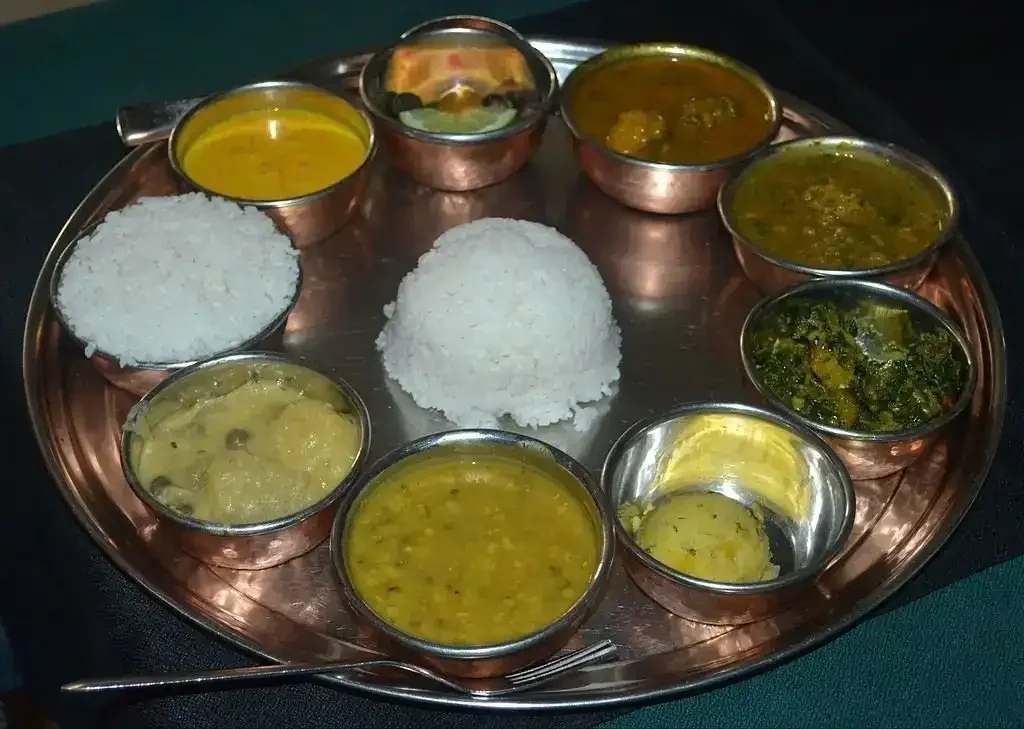 Nepalese Food
Prices for food and water vary depending on where you are, just like the tea house cost. The cost of food and water will increase as you climb higher. Surprisingly, the menus at teahouses along the trail are vast, while the selection decreases as you ascend.
The meal is rich in carbohydrates, allowing you enough energy for the trek. The most common food you will find on the trail is dal bhat, and prices range from USD 5 at the beginning of the trek to USD 12 at Gorak Shep. The same holds true for bottled water. A liter of bottled water can range from USD 1 to USD 4. The average cost of a day's worth of food and water is between USD 25 to USD 40.
Trekking gear cost
It is imperative that you have the necessary supplies and gear with you before setting out on your trek through the Himalayan wilderness. You might have to face a lot of discomforts if you do not have these essentials covered. Trekking equipment can cost anywhere between USD 200 to USD 500. Spending a little more on such gear is better if you're a beginner.
High-quality boots, a sleeping bag, thermal clothing, a trekking pole, warm gloves, and a water-resistant jacket are just a few examples of the equipment that is absolutely necessary.
Miscellaneous costs
It is highly advised that you make notes of every little thing you need for the trek. Instead of expecting wifi, it is best to purchase a mobile internet data pack before beginning the trek. Your monthly cost for the internet data package would be about USD 10. (depending on the volume and the network company).
It's also best to have a power bank or solar battery charger with you so you can charge your devices. However, for a small fee, you could also purchase a power supply for the purpose. Additionally, you might be expected to give to nearby monasteries and tip your tour guides, porters, and hosts. The amount may vary, but make sure you have about USD 10 set aside as tips for your fellow travelers for the day.
You also need to keep note of the following points that you might need during your accommodation at the tea houses:
- Hot showers are not included in the price unless you pay for an ensuite room. The tea houses usually heat water on the fire and bring it by the bucket. The price of a hot shower can range from USD 2 to USD 6.
- Electric blankets and heaters cost about USD 20 per night, but they are not necessarily available in all lodging.
- An additional fee is charged for battery charging hourly, typically between USD2 and USD6, while a power bank will cost USD10.
- Not all accommodations might offer free internet. WiFi costs between USD 2 and USD 5 per hour in the mountains, despite the service being very slow.
These are the crucial expenses that make up the Everest base camp trek cost, and the itinerary for the trek will also aid on if your expense range. The better you pay, the more comfortable your itinerary is, the longer your itinerary is, the more you have to pay, and so on. To understand how the Everest Base Camp Trek Cost and Itinerary are interrelated, we have a breakdown of your itinerary for you as well.
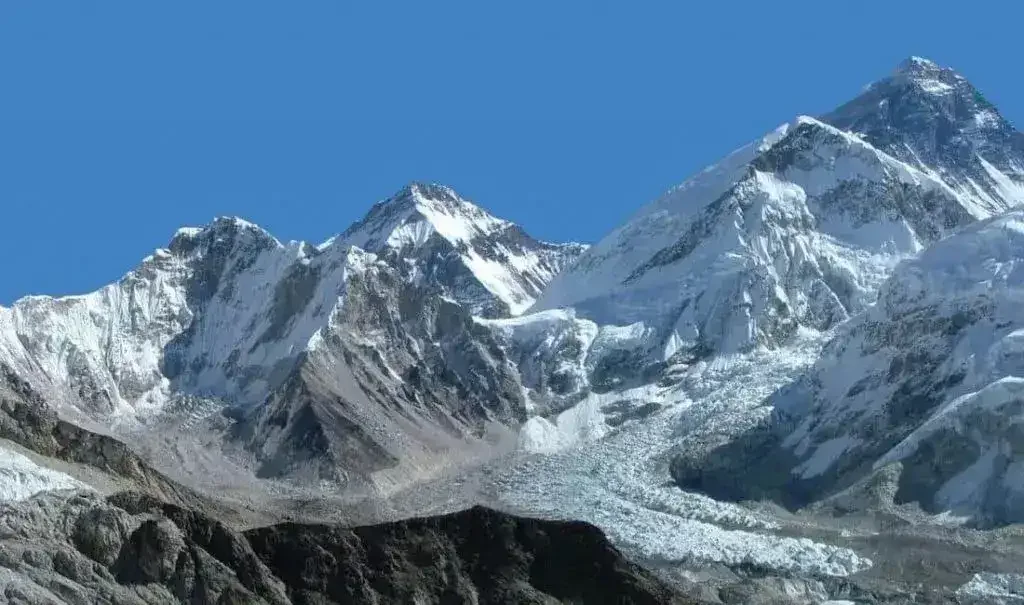 everest base camp trek in december
Basic Itinerary followed in Everest Base Camp Trek:
DAY 1: Fly to Tenzing Hillary Airport at Lukla from Kathmandu and Trek from Lukla to Phakding
Phakding Altitude: 2610 meters
Flight Hours: 35-40 minutes
Walking Hours: 3-4 hours
Overnight at Phakding
We'll take off from Kathmandu and fly over the Kathmandu valley. Then, we'll be traveling to Lukla's Tenzing Hillary Airport. The views more than make up for the narrow runway at the airport, which may seem frightening at first. You'll have to spend 35 to 40 minutes on this entire flight.
You'll need to walk to Phakding after landing. As you trek, guides and porters will be with you. Suspension bridges must be used to cross the Dudh Koshi river. Throughout this portion of the trek, there will be stunning views of the river and surrounding areas.
You will reach the wonderful location of Phakding after a total of 3 to 4 hours of walking. The neighborhood tea houses will accommodate you. These tea houses will be where you spend the first day's night.
DAY 2: Trek from Phakding to Namche
Namche altitude : 3440 meters
Walking Hours :4 to 5 hours
Overnight at Namche
The trek's second day will begin with a departure from Phakding for Namche. You will have to cross suspension bridges along the banks of the Dudh Koshi once more. This day requires the crossing of five suspension bridges.
After crossing numerous suspension bridges and walking for about three hours, you will eventually arrive at the Sagarmatha National Park area. Numerous endangered plant and animal species can be found in the area. Your second day's trek will end at a little up the hill from Sagarmatha National Park. You will receive a warm welcome when you arrive in Namche. This area's surroundings will be very charming and tranquil.
The day will end with being accommodated at a lodge in Namche.
DAY 3: Acclimatization at Namche
Namche Altitude :3440 meters
Overnight at Namche
You must move slowly and adjust to the altitude when visiting high-altitude areas like the Himalayas. Avoiding altitude sickness and other health risks is crucial. The third day will be to prevent such risks and acclimatize.
You will tour the Sagarmatha National Park Administration Building on this day. From this point, you can see several mountain ranges, including Mount Everest. Additionally, you can go to a museum. You can spend the day here shopping, visiting various cafes, and learning about the local culture. A schedule this adaptable will not be available much later.
The day will come to an end in this manner, and you will once more be staying in the same location as the previous evening. The final night we spend in Namche before leaving is this one.
DAY 4: Trek from Namche to Tengboche
Tengboche’s altitude : 3874 meters
Walking hours : 5 hours
Overnight stay at Tengboche
After staying at Namche for two days, you will now make the ascent to Tengboche. The journey should take five hours. You can see the stunning Everest, Ama Dablam, Lhotse, Thamserku, Kwangde, and Nuptse mountain ranges from this walk.
Until Sanasa, the trails on this trek are quite steep; they become a little less steep until you reach Phunki Thanka. Within two hours, you can travel from here to Tengboche. The road you'll be walking will give views of Rhododendron trails, as well as pine and fir trees, line
When you get to Tengboche, you'll see the meditative monastery there. A bakery is also located close to the monastery. There are a few tea houses and lodges in this area. You will stay the night in a tea house nearby the monastery and call it a day.
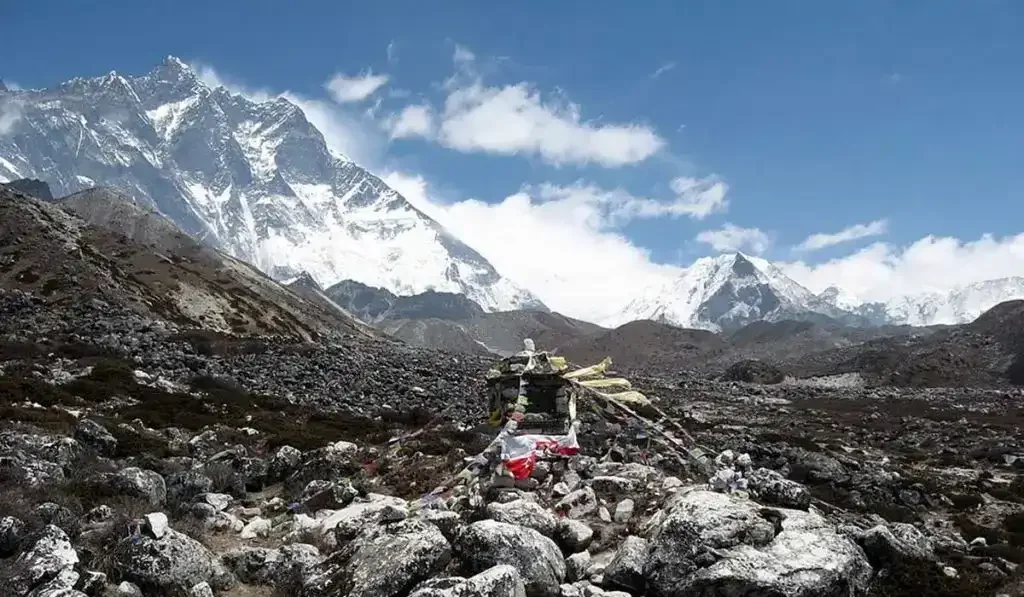 How long to walk to Everest Base Camp
DAY 5 : Trek from Tengboche to Dingboche
Dingboche altitude : 4400 meters
Walking hours : 6 hours
Overnight stay at Dingboche
Starting from Tengboche, the fifth day's trek begins with a brief descent that lasts for about an hour until you cross a wooden bridge. The route then climbs steadily toward Pangboche, a village in a dry forest.
You can see various Yak herds along the way. You should cross a river and then climb a hill further ahead. You will also reach the settlement of Somare, which is 4000 meters above sea level and is located further from Pangboche. You'll notice that the vegetation above this landmark is no longer visible.
Another viewpoint with Mount Ama Dablam's adorable views is located a short distance away. From here, it will take you another 30 to 40 minutes of travel time to get to Dingboche, your final destination. Once more, you will be allowed to spend the night in one of the village's lodges. The fifth day will now come to an end.
DAY 6 - Acclimatization at Dingboche
Dingboche Altitude : 4400 meters
Nagarjun Altitude : 5100 meters
Overnight stay at Dingboche
Your second acclimatization day of the entire trek will be today. The hike up Nagarjun Hill, which rises directly from Dingboche, will be available to you. From this peak, you can see a variety of mountains. Among the mountains that can be seen here are Ama Dablam, Makalu, Lhotse, and Island Peak.
You will then return to Dingboche by descending after the Nagarjun hike. Then you will have the afternoon to yourself until dinner. You will once more stay in the same lodge and eat in the same restaurant. The fifth day of the trek will end after this acclimatization.
DAY 7- Trek from Dingboche to Lobuche
Lobuche altitude : 4940 meters
Walking hours : 5 hours
Overnight stay at Lobuche
The trek's seventh day will start with a leisurely stroll to Thukla, which is close to the Everest Base Camp. You will stop for a quick tea break or lunch at the location before visiting the Thukla pass and starting the steepest trail yet.
Then the Dughla pass must be climbed. A memorial park for climbers worldwide who have died while attempting to scale Mount Everest is located close to Dhugla Pass.
Ascending and moving on from there increases the view's appeal. You will reach the Khumbu glacier by continuing on the road ahead. Additionally, Kala Patthar can be seen from there.
DAY8: Trek from Lobuche to Gorakshep and Everest Base Camp
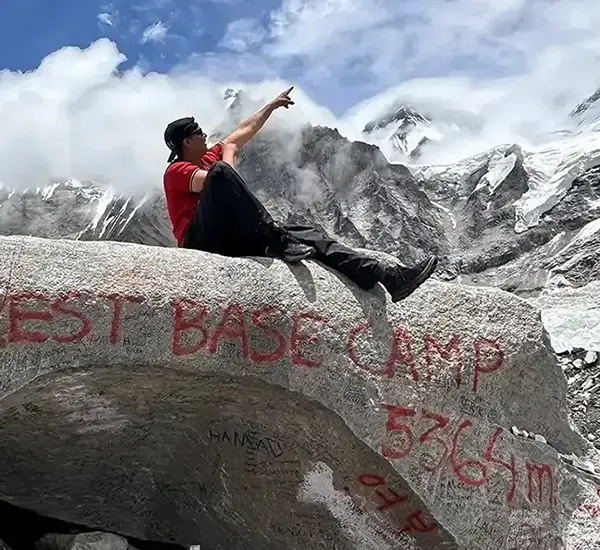
Everest Base Camp Altitude : 5364 meters
Gorakshep Altitude : 5000 meters
Walking hours : 7 to 8 hours
Overnight Stay at Gorakshep
The longest distance in the trek will be from Lobuche to Gorakshep and Everest Base Camp. You will first traverse a fairly simple trail with many rocky boulders and slippery surfaces along the road. You will get to Gorakshep in time for lunch before continuing your ascent toward the Everest Base Camp.
You will be staying in Gorakshep since there won’t be lodges or tea houses to stay overnight at the base camp. There will be tea houses and convenient lodging options in Gorakshep. It is one of the last towns in this area before the trail becomes lifeless and deserted.
So, when you stop for lunch, you will leave your bags in the hotel room before continuing your trek to the Base Camp. You can reach Everest Base Camp from Gorakshep after about two hours of trekking through the Khumbu Glacier.
When you arrive, the area will be covered by numerous camps and tents. Numerous mountaineers will begin the ascent of Everest from the base camp. You'll head back to Gorakshep after exploring the base camp area and taking a short hike. You will eat and rest in the neighborhood teahouse where you left your luggage.
This concludes day 8 of the package and our journey to Everest Base Camp.
DAY 9 - A trek from Gorakshep to Periche
Periche’s altitude : 4240 meters
Walking hours : 5 hours
Overnight stay at Periche
Though slightly lower in elevation, Pheriche is situated right next to Dingboche. The same path to Lobuche will therefore be your first stop, followed by a descent of the moraine wall, a crossing of the river, and a descent of a lower path to Pheriche.
The day's trekking won't consist of steep hills along the way. You will be going down essentially along one long downhill. Except for one section of the trail where you descend the Khumbu Glacier's moraine wall, the entire route is slightly declined.
Accommodating in a tea house in Periche will end this day’s trek
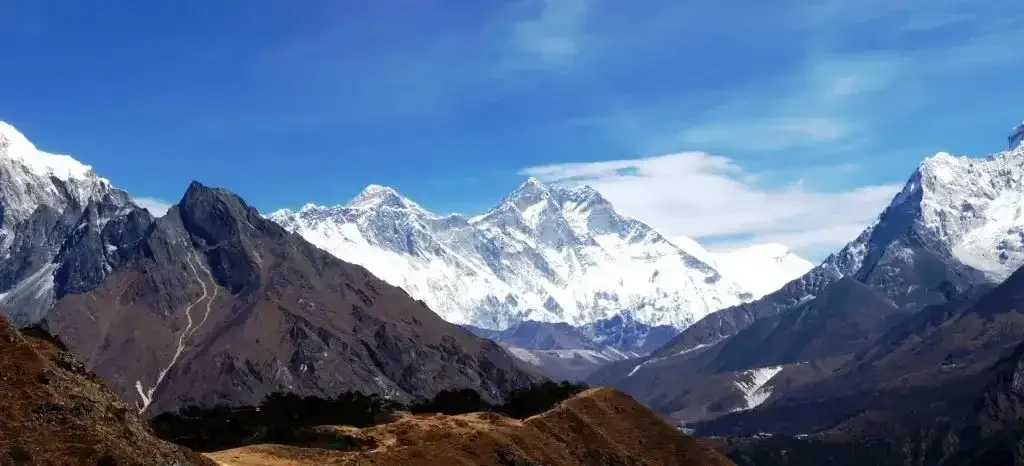 Everest-Panorama-Trek
DAY 10: Trek from Periche to Namche Bazaar
Namche Bazaar’s altitude : 3440 meters
Walking hours : 6 hours
Overnight stay at Namche Bazaar
As you travel from Pheriche to Namche Bazaar on Day 10 of the Everest Base Camp Trek, you will descend further into the valley. There will be many ups and downs throughout the trek, even though you are eventually moving to a lower elevation. This guide will describe the trail's requirements and what to anticipate from Pheriche to Namche Bazaar.
You will once again be accommodated in the familiar settlement area of the Namche Bazaar, making the end of day ten.
DAY 11: Trek from Namche Bazaar to Lukla
Lukla’s elevation :2880 meters
Walking hours : 3 to 4 hours
Overnight stay at Lukla
The 11th day of the tour will be the last day of your leg work. This will be the last day of trekking before you fly off from Lukla. You will retrace your trace like when you commenced the trek.
As you leave Namche and walk towards Lukla, you will lose elevation fairly quickly as soon as you leave Namche Bazaar..However, the final stretch of the trail will involve an ascent as you return to Lukla and complete the Everest Base Camp route.
The day will end with you staying overnight in a lodge in Lukla.
Day 12: A flight back to Kathmandu from Lukla
Kathmandu’s altitude :
Flight hours : 35 to 40 minutes
The final day will see you taking an early morning flight back to Kathmandu. The breathtaking views of mountains, rivers, forests, and more will be visible once more during your return flight. This will officially mark the end of your Everest Base Camp trek.
Final Say
We have broken down both the expenses and day-by-day plans for your trek. Understanding the basics of the Everest Base Camp Trek Cost and Itinerary will allow you to make independent choices and have a general idea of everything regarding the trek. With a package, you can choose trekking agencies that cover everything for your Everest Base Camp Trek Cost and Itinerary.
You can choose such agencies wisely by skimming this article. We at great adventure treks have a similar package covering your Everest Base Camp Trek Cost and Itinerary preparation. Contact us for booking or further information.